


The Copenhagen International Fashion Fair (CIFF) is one of Europe's leading platforms for fashion and lifestyle. ISPO being there not only fosters international exchange, but also sends a clear message: sport has long been part of the cultural lifestyle. And we are actively helping to shape it.
Get more exclusive insights from the sports industry on fashion and design at ISPO 2025. Whether lifestyle, design, health or tech; this is where new trends are discovered and created. From 30. NOV. - 02. DEC. in Munich.
ISPO's presence at CIFF was a big step into a growing market. With the curated ZEITGEIST by ISPO area, ISPO bridges the gap between innovative sports design and a fashion industry in transition. Eight trend-setting brands - including Osprey, Fessura and MINI A TURE, VARG, GNL, Ivanhoe of Sweden, Helinox, Athlecia together with selected ISPO Award winners - showed where sporty style is heading.
"The collaboration with CIFF is so important now because CIFF has the expertise for all their fashion-oriented brands and ISPO is the global sports business platform. And at ISPO, all these brands will reach more buyers on an international and global level." - Lena Haushofer
The centerpiece: a mini Ashpool Court, a space for discussions, movement and a change of perspective. The highlight was the presentation by Nina Kong, Head of Strategy EU at Highsnobiety, on the topic: "Redefining Luxury in Sports & Fashion".
ZEITGEIST by ISPO gave an outlook into the future: courageous brands, ISPO Award winners and inspiring insights from Highsnobiety on the development of luxury in sports and fashion.
With CIFF, ISPO is bringing sports deeper into the fashion world, networking with new retailers and presenting collaborations that will be deepened at ISPO 2025.
"Behind the scenes, we're on a mission:
The new ISPO Retail Club offers exactly the match that curated brands need: Access to top retailers, digital networking before and after the event as well as insights into new retail formats, from the Retail Lounge to the "Future of Retail Store" experience at ISPO 2025.
In her keynote speech, Nina Kong analyzed how the understanding of luxury is shifting in the area of tension between fashion, sport and society: away from unattainable dreams and towards relevance in everyday life:
"Stop selling the dream. It's about fitting into real life and understanding what your role is in everyday life."
The new currency in the fashion and sports business is credibility through product quality, cultural flair and genuine relevance. The young generation no longer expects status symbols, but brands that show attitude through good craftsmanship and meaningful narratives:
"The number one reason for brand desirability is craft and quality."
What used to be considered luxury (e.g. logos, exclusivity, aloofness) is now interchangeable. Relevance arises when brands not only observe culture, but also help to shape it.
"Fluency means how well do you speak the language of real people... and how are you actually adding value and contributing to the cultural spaces that you're demanding space in."
Sports and fashion have been merged long before sneakers were worn by business people. Athleisure is no longer a niche, but everyday life and is once again a central theme of ISPO 2025 this year.
This change can be experienced in the fashion area at ISPO 2025: ZEITGEIST by ISPO is once again entering the next round, as is ISPO 520M by Highsnobiety which focuses on curated premium sports style brands at the interface of sport, fashion and subculture.
"We at Highsnobiety are delighted to be a partner of ISPO once again. Once again this year, ISPO 520M by Highsnobiety is the melting pot that harmonizes style and culture with sport and innovation. ISPO offers the ideal stage for this; the future of sports and sports fashion go hand in hand here," says David Fischer, CEO and founder of Highsnobiety.
With Highsnobiety, ISPO offers an environment for culturally relevant brands, beyond the catwalk or performance numbers. Tailored outfits meet trail running, retro wool meets quiet luxury.
ISPO 520M by Highsnobiety is not just a presentation area but above all a place for dialog and co-creation. A community area that invites you to collaborate with the creative minds of the scene.
"At ISPO, we want to bring together culture, outdoor lifestyle, and luxury. That's why we have this curated area called Zeitgeist by ISPO and the cooperation with Highsnobiety with ISPO 520M. Our goal is not just to be a sports business platform but also having this different kind of stakeholders and players at the show at ISPO." - Lena Haushofer
With the formats Zeitgeist and ISPO 520M by Highsnobiety, ISPO underlines its claim to unite sport and style, outdoor and fashion at an international level. The fashion world is on the move and ISPO is the platform on which it takes its next step.
Zeitgeist by ISPO offers a stage for brands that shape the sports-inspired lifestyle of our time: stylish, functional, innovative. Whether you are active in the contemporary outdoor, streetwear, tenniscore or performance fashion segment, Zeitgeist is the curated space for brands with attitude and design.
"As an emerging brand in Europe, developing wholesale relationships is key to our growth." - Snowpeak
Fashion needs a stage. And it gets it: Hall A1 at ISPO 2025 is completely dedicated to lifestyle-oriented outdoor and sports fashion, including the ZEITGEIST Area, Talks, House of Content and interactive showcases.
What you get: a clearly curated environment, high retail relevance, international visibility and close proximity to ISPO 520M by Highsnobiety, the platform for the future of fashion, outdoor and culture. Among others: brands such as Snow Peak, Osprey, DUCA Walking, Fessura and Slam Jam and many more. And maybe soon your brand too.
ISPO 2025 shows: Those who think fashion and sport together not only understand the zeitgeist, but shape it.
Be part of it - from 30. NOV. - 02. DEZ. 2025 in Munich.
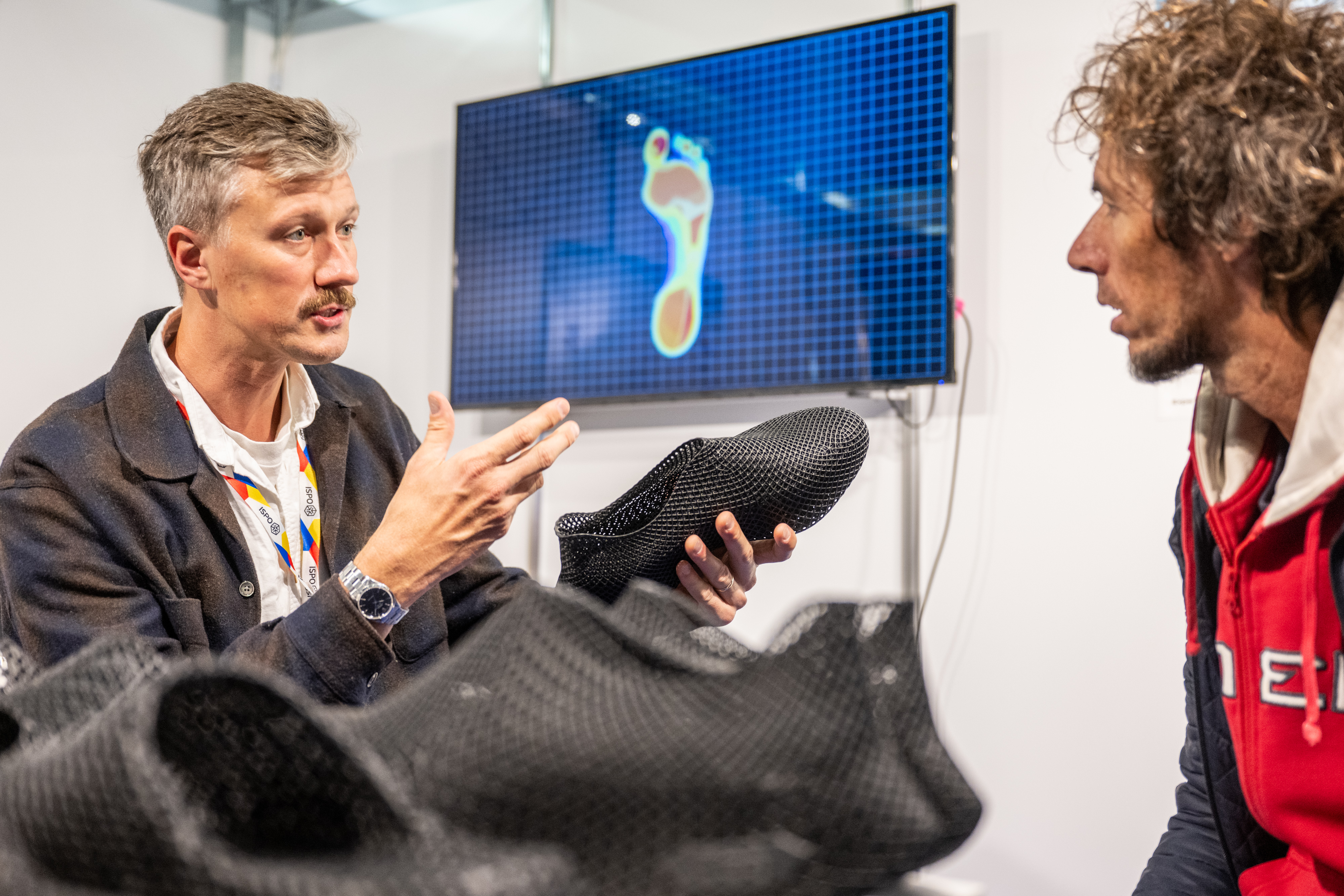
AI agent design is a young, growing field. How could you introduce your first digital force? We asked around for you to find out what AI agents could do for you, for example in sales. What an extra-occupational AI academy teaches. And the experiences of a provider of AI colleagues.
You can find out more about technical innovation in the sports business, such as the diverse use of artificial intelligence in the sports industry, at ISPO 2025, where start-ups, technology providers, brands, retailers and decision-makers come together to present their innovative solutions. From 30. NOV. - 02. DEC. in Munich.
This is the fourth stage of interaction with artificial intelligence. If we started by talking to a large language model, then later prompted it specifically, at some point automated it (using tools such as make.com or n8n.com), the first autonomous AI employees are now available.
And there will be more every day. A more than likely scene from the future world of work: sooner or later, each and every one of us will be working with at least one AI colleague. At least that is one conclusion that can be drawn from the Microsoft Work Trend Index 2025 study follows. Because it shows:
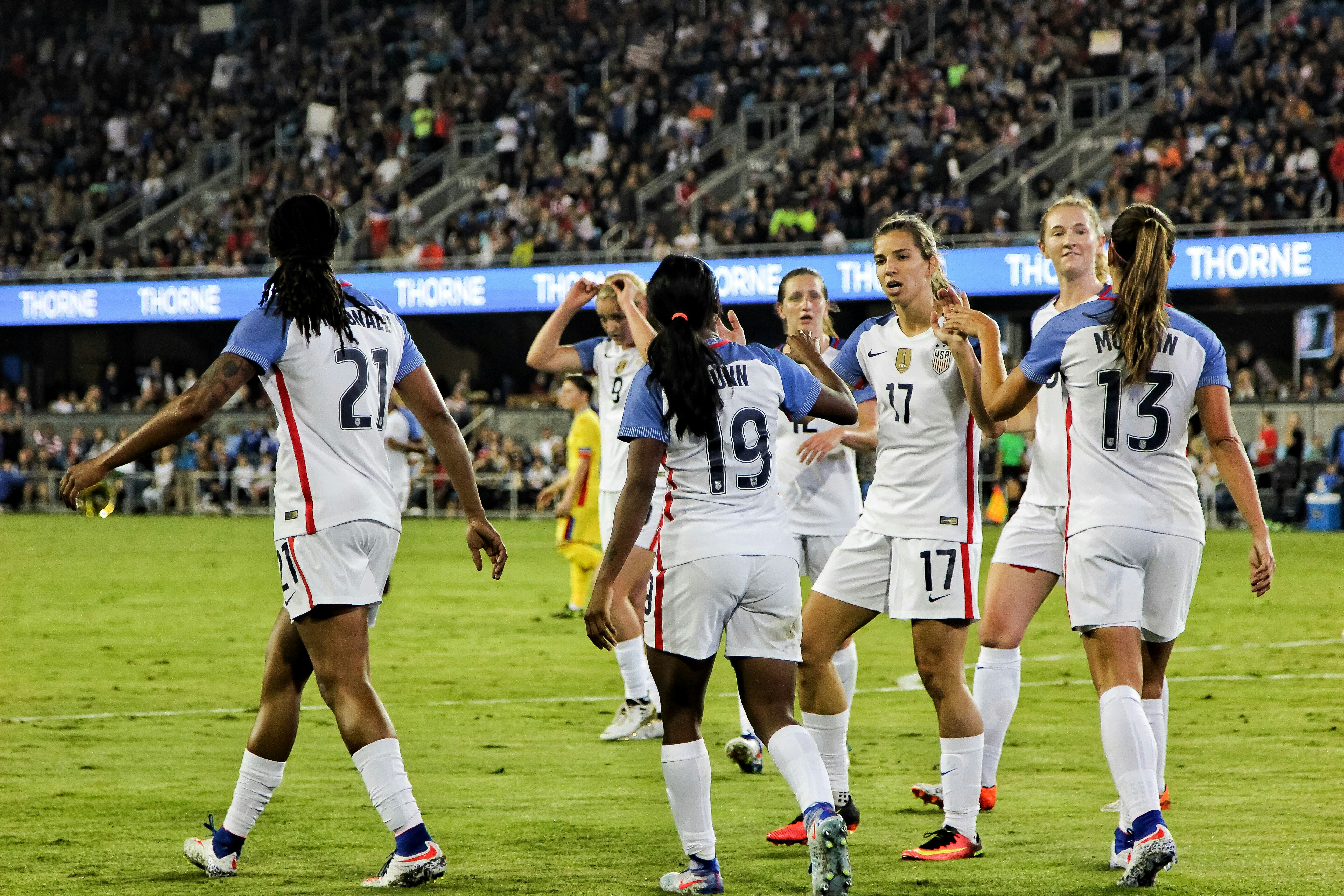
TV ratings, transfer fees, salaries: women's soccer is going from record to record, and not just at the 2025 European Championship in Switzerland. The sport is set to become one of the top 5 sports in terms of viewer interest by 2030. Experts such as Sportfive women's soccer boss Jessica Stommel explain why sponsorship is a mega opportunity for brands and how the industry will develop economically.
There will also be more about sports sponsorship at SPORT BRAND MEDIA on 01 and 02 DEC during ISPO 2025 in Munich - be there when influential brands, pioneering sports organizations and leading media experts come together and learn all about current trends in sponsorship, media rights, major events, athletes and new technologies.
When Germany's women's soccer team lost the European Championship semi-final 1:0 after extra time against world champions Spain, a whopping 14.26 million people watched on ARD. That was another three and a half million more than for Germany's quarter-final victory against France and a mega market share of 57.6 percent. In the economically particularly relevant younger target group of 14 to 49-year-olds, it was even 68.5 percent.
Women's soccer continues to go from record to record. At the European Championships in Switzerland, over 620,000 enthusiastic spectators came to the stadiums - a new record for continental title matches. The growing interest is bringing more and more money into the players' coffers: Arsenal FC recently paid the equivalent of 1.15 million euros for 20-year-old Olivia Smith from Liverpool FC - a record transfer. Even if this seems like peanuts compared to the men's soccer record of 222 million euros that Champions League winners Paris St. Germain once paid for the Brazilian Neymar.
Salaries in women's soccer are also on the rise: Top German footballer Jule Brand, who previously collected around 100,000 euros at VfL Wolfsburg, is increasing her annual salary to 600,000 euros by moving to multiple Champions League winners Olympique Lyon. Sounds low for the German top earner compared to her German male counterpart Jamal Musiala (25 million euros at Bayern Munich) and even more so compared to the annual earnings of world star Cristiano Ronaldo (around 250 million euros).
"The average salary of a women's soccer player in the Bundesliga last season was just under 4,000 euros gross, compared to around 245,000 euros for men," says Jessica Stommel, Head of Women's Soccer at Sportfive, in an interview with ISPO.com, citing another exciting comparative figure. Of course, this will not equalize 1:1 in the coming years, but the potential is "gigantic" - not only for the women's soccer scene itself, but above all for brands that are involved in the new boom sport.
Nielsen predicts in a report with the telling title "Undervalued to Unstoppable", Nielsen predicts that the global fanbase for women's soccer will increase by 38% to over 800 million people by 2030. This not only makes women's football one of the fastest growing sports in the world. Women's soccer could thus become one of the top 5 biggest sports in the world and challenge sports such as Formula 1 or tennis. "For brands looking for relevance, impact and long-term value, this is the time to get involved," writes Samantha Lamberti, Head of International Sports at Nielsen.
That's exactly how Jessica Stommel sees it. Just under a year ago Sportfive, one of the world's largest sports rights marketers, founded its own women's soccer hub. The reason? "Women's soccer appeals to a whole new target group in sports sponsorship," says Stommel. Namely predominantly women - 60 percent of the 800 million fans predicted by Nielsen by 2030 are expected to be female.
This is particularly exciting for brands because, according to studies, "80 percent of purchasing decisions are made by women" (Stommel). The target group reached by women's soccer is more female, younger and mainly has a family. This is also interesting for companies because women, at least in the western world, are now mostly completely economically independent.
Women's soccer offers brands the opportunity for perfect positioning. "It's the combination of social relevance, economic opportunity and emotional appeal," says Stommel. This strikes a chord with the times, as McKinsey confirms in its "State of Marketing" report confirms. "In times of instability and change, branding and authenticity are more than ever the cornerstone of successful marketing. Consistent and transparent action is more important to consumer groups than public commitments by companies. Only then do they perceive a brand as authentic," it says. Around half of consumers demand "attitude" from brands.
According to Stommel, getting involved in women's soccer is not just a way to buy an advertising package, "but to help drive social change: That is incredibly important for brands in this day and age." Sportfive now has 17 full-time employees working in women's soccer. The marketer currently supports three clubs in the women's Bundesliga.
But also the women's divisions of major men's soccer clubs such as Borussia Dortmund and Schalke 04, which are currently still playing in the lower divisions. The derbies between the two clubs in the women's fourth division (!) and in the Westphalia Cup were broadcast live and free of charge via the Sky live stream - which also shows the special opportunities for brands in women's soccer. It doesn't necessarily have to be the Bundesliga - it's much more about the stories that can be told.
More and more brands are recognizing this and positioning themselves as "early adapters" with the "first mover advantage" in this booming sector. In the case of Borussia Dortmund's women's soccer team, for example, sponsorship income has quadrupled in two years. Although the BVB women will remain in the lower reaches of the third-tier Regionalliga West following their recent promotion, they are already among the top 10 in terms of global advertising revenue.
The barriers to entry for new sponsors and brands are (still) relatively low, at least in terms of price, and the potential marketing return is high. "According to international studies, you get seven dollars back for every dollar invested," says Stommel. Disadvantage: In contrast to men's soccer, the women's version still has to be explained to consumers through good storytelling. "For brands, women's soccer is not primarily about KPIs, but has to be explained in terms of content. As a brand, you can focus on important topics such as sustainability, equality, authenticity, fair play and respect," says Stommel.
Brands also have the opportunity to help shape a rapidly growing market - sales in women's soccer could increase by 300% by 2030. "As a brand, you can still make a real contribution to development here," says Stommel: "You still have a largely empty playing field in front of you." But one with a gigantic audience.
Want to find out more about sports sponsorship? SPORT BRAND MEDIA will give you the chance to do so during ISPO 2025 from 30 NOV. - 02. DEZ. in Munich. Last year, ISPO and the ESB Marketing Network opened a new chapter together. Influential brands, pioneering sports organizations and leading media experts will come together to shape the future of sport. Sponsorship, media rights, major events, athletes and new technologies form the thematic cornerstones of the industry summit.
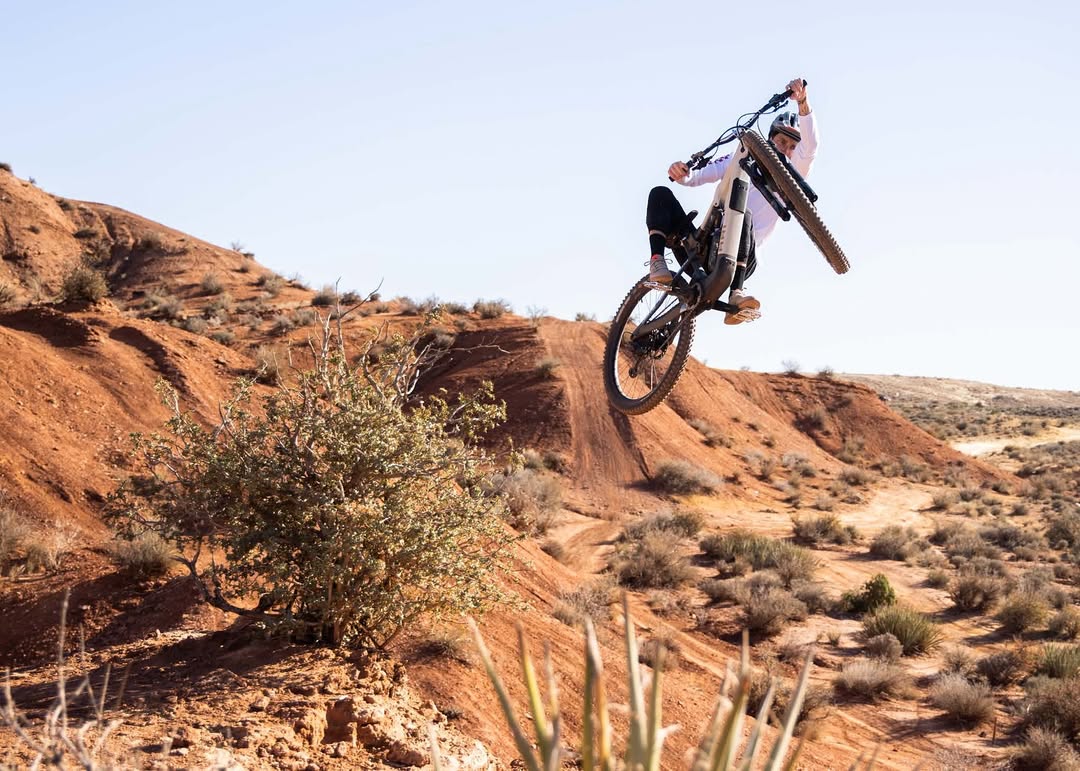
Fidlock has developed from a simple everyday problem into a globally successful provider of fastening solutions. Today, the magnetic Fidlock fasteners can be found in numerous sports products such as ski helmets, bike mounts, bags, rucksacks and outdoor clothing. In an interview, Holger Knorr, Director Sales Retail Products, explains how the focus on user needs shapes the company's DNA and why trade fairs like ISPO are essential for innovation.
At ISPO 2025, Fidlock presents its latest innovations to an international audience. As the international flagship event of the sports industry, ISPO not only offers the opportunity for hands-on experience, global networking and media attention, but also the chance to be inspired by the success stories of leading brands like Fidlock. Be there - from 30 NOV. to 02 DEC. in Munich.
ISPO.com: Fidlock was born from a benefit-oriented idea, how does this shape the identity of the company?
Holger Knorr: As a sales manager, I feel this every day: Our products solve real problems in everyday life, which is an enormous advantage in the B2C business. The original idea was not a technical end in itself, but was based on a specific need: an intuitive, secure connection that also works with one hand. This way of thinking, user-centered and solution-oriented, runs through our entire product development. And it also shapes our communication: we speak the language of the user, not that of the technician.
At its core, Fidlock has taken the same idea and applied it to many different use cases - you could almost say it has scaled it up. How were structures set up here that facilitate these further developments / new applications?
What makes us special is the combination of technical depth and a modular product philosophy. Internally, we have created clear interfaces between product development, sales and marketing, so that new impulses for product variants or new target groups are regularly generated. We also actively gather feedback from the market, be it from dealers, at trade fairs or from our direct customers. For example, our twist technology was originally intended for bicycle bottles, but is now used by families with baby carriages, e-bikers, commuters and outdoor enthusiasts. This breadth would not be possible without structured and flexible processes.
With experience from different industries, how would you rate the innovative strength in the sports industry?
The sports industry is open to new solutions, especially if they improve performance, comfort or design. At the same time, it is extremely competitive. If you don't stand out, you go under. As a provider with a product that requires explanation, we can see this: If an innovation offers real added value, it will be accepted. However, it takes patience and a very targeted approach, from packaging to POS training.
What is your general view of the sports industry? What does the industry do well?
It knows how to arouse emotions and create communities. Brands in the sports industry thrive on authenticity and a drive for innovation. That suits us very well. Sustainability is also becoming increasingly important and many players are taking bold steps here.
What can it do better?
Specialist retailers must continue to digitalize, not only in terms of sales, but also in terms of product information, advice and the post-purchase experience. This is where we see great opportunities for brands like Fidlock, which offer products that require explanation and can benefit greatly from clever tools and training.
Then subscribe to our free newsletter now for your competitive advantage.
How important are trade fairs for innovation in the industry?
Extremely important! Especially for B2C-related innovations. At a trade fair like ISPO, we can observe in real time how people react to our products. No online campaign, no matter how good, can replace these encounters. It's about touching, trying out and understanding and about the famous "aha moment" (Fidlock moment) that Fidlock almost always triggers.
Why are you going to ISPO 2025?
We see ISPO as a very important trade fair for our brand. In 2025, we want to show how versatile Fidlock has become. From classic bike products to urban mobility, outdoor activities, products for children and lifestyle items. Our aim is to make new contacts, activate existing partners and make a clear promise to end customers: Fidlock makes things easier, safer and more surprising.
What does it take to turn an innovation into a company step by step?
Arom a sales perspective, two things are particularly important: genuine product benefits and clear communication. If both are present, partners can be inspired, trading partners trained and customers won over. You have to be prepared to go the extra mile, for example with POS concepts, after-sales support and continuous feedback management. And patience. Even the best products need time to establish themselves on the market.
What else can the industry expect from Fidlock?
In short: even more surprising solutions that make the lives of active people easier. We are working on new product categories, smarter interfaces and accessories that fit perfectly into modern mobility and outdoor scenarios. All according to our principle: Magnetic. Mechanically. And always a little smarter than expected.
Brands like ISPO Award Winner Fidlock, show how innovations that inspire consumers are created by solving everyday problems. As the international flagship event of the sports industry, ISPO offers the opportunity to discover the latest trends and products live, network with leading brands and be inspired by their success stories. It gives exhibitors like Fidlock the opportunity to present their innovations on a global stage and increase their brand awareness with the help of media attention. Be there - from 30 NOV. to 02 DEC. in Munich.

Short-term trends characterize the sports market, even if they do not always promise long-term success. Learn from the examples of kybun and Joya how brands can strengthen their identity worldwide through a clear marketing strategy and a unique product experience. In an environment of constant change, they consistently focus on their roots and authenticity and prove that brands can secure their long-term success through consistency and credibility. But how exactly can authentic branding be best implemented in a global market landscape?
kybun and Joya will present their innovative products to an international audience at ISPO 2025 in Munich. Discover the latest trends in the sports industry and be inspired by globally successful brands. Be there - from 30 NOV.- 02 DEC. in Munich.
Then subscribe to our free Sportsbusiness newsletter now and stay one step ahead.
Then don't miss the opportunity to visit kybun and Joya and other international brands at ISPO 2025 in Munich.
kybun and Joya know what is important in today's sports industry: authenticity, clear values and courageous decisions as a brand strategy lead to strong, global brand loyalty.
ISPO 2025, as the flagship event of the global sports industry, calls for courage. With curated theme areas and international attention, ISPO offers the ideal platform to discover new trends and present innovative solutions to an international audience. Gain strategic orientation with the help of practice-oriented examples such as kybun and Joya and learn how innovative solutions can be integrated into existing marketing strategies. Don't miss it - from 30. NOV. - 02. DEZ. in Munich.