


Wool expert Devold of Norway, known for its high-quality and durable merino products for the outdoor sector, has been around for 170 years. In the anniversary year 2023, there was not only a review of successes but also a spirit of optimism - with a new Head of Marketing, a new CSR officer and a new CEO.
Transparent raw material sourcing through long-term partnerships, modern production facilities in Europe and a focus on quality are still the brand standards that Devold pursues. But what is the best way to bring history and the future together? In our "Challenges of a CEO" series, Øystein Vikingsen Fauske, CEO of Devold of Norway, takes a fresh look at the tradition-steeped company, sums up his first year in the boss's chair and makes plans for the future.
"My move to Devold as CEO in January 2023 was not really planned. I came from an energy company and previously worked in a global furniture company and in management consulting. So I didn't originally come from the outdoor or apparel industry. But when the opportunity arose, it was clear that I wanted to be a part of Devold. There were so many positive factors in my favor: I love the brand, knew the company from a young age and was also familiar with Devold's long history. Having grown up in the area and living just across the fjord, my family and I have always enjoyed wearing Devold products, whether ski touring or otherwise. The company's values, the focus on sustainability and our dedicated owners also appealed to me. So Devold was a very good match for me."
"At Devold, the focus is on people. Also from a strategic point of view, because the well-being of the factory workers has gone hand in hand with the development of the company since the Devold factory in Langevåg near Alesund was founded 170 years ago. An electricity plant that supplied power and one of Norway's first telephone lines convinced many people to stay or settle in the region even back then.
But basically, I think that people are very, very important in all companies. In the beginning, I spent a lot of time traveling around to talk to as many people as possible - from retail to distribution. I wanted to get to know our colleagues at all locations and in the various departments, hear their thoughts on the culture and get a feel for the respective country, the local market and the customer clientele.
I soon focused on bringing the different levels even closer together as a team. I talk a lot about a common level that brings all employees and all locations in the various departments, as well as our partners around the globe, together as equals. I have discovered a lot of potential here: We have a strong foundation as a brand to continue growing our community."
"With our long history, we have an unbeatable foundation that we just need to communicate properly. Devold has been developing and manufacturing timeless, durable clothing in a resource-conserving manner for 170 years. This philosophy also includes an appreciation of (warm) clothing and conscious consumer behavior, as well as high quality.
We are currently focusing on the customer experience and trying to improve it across all our channels to provide the best possible experience with Devold and keep it at the same level."
"We see that there are many global trends and drivers that play into our hands, such as an increased focus on activity and health, and not least more emphasis on sustainability and traceability. More and more consumers are asking for products with high quality and a long lifespan. We want to seize these opportunities and take the next step to grow further. But we want to do this in a responsible way, in line with our values and our history - and without compromising on quality.
We have a longstanding tradition of making high-quality wool products, and sticking to our standards as a premium brand is of great importance of us. I firmly believe we have the finest raw material in the world. For our thicker garments we only use Norwegian wool, which has served us brilliantly over Devold's 170 years. For our lighter garments, and as part of our quality strategy “Sheep to Shop”, we've carefully selected 39 merino wool growers in New Zealand for direct, long-term contracts. This secures us access to some of the highest quality merino wool available, in an equal partnership with our wool growers. Wool varies in color, quality (micron), and fiber length, and we need wool growers who consistently meet our stringent quality requirements. We maintain full traceability to all our growers, with about half of them capable of supplying wool for entire series in our collections. Next time you replace a worn-out item with a new one, check the hang tag for the name and photo of the farm. Our merino wool growers are, in many ways, more Devold than the rest of our products' supply chain, me included."
"Our value chain is quite unique. It starts with the raw materials, such as Merino wool, which we source directly from our partner farms. Our modern processing facilities are in Lithuania. This means that we not only have our own production in Europe, but also complete control over our supply chain. This control is hugely important when thinking about social responsibility, sustainability and traceability. Consumers increasingly want to know where products and raw materials come from. We can easily prove to them that they actually come from this particular farm and were produced by this particular family - from my point of view, that's a huge advantage."
"We have worked hard to strengthen Devold as an organization from the inside out. Now, of course, the big question is what the future holds for us. Circularity plays an important role in this. We are currently looking at how we can make more products, especially in the outdoor sector, recyclable and reusable. In the long term, we want to achieve healthy growth with Devold and become bigger internationally in new markets by directly or indirectly telling our story and how deeply rooted we are as a brand."
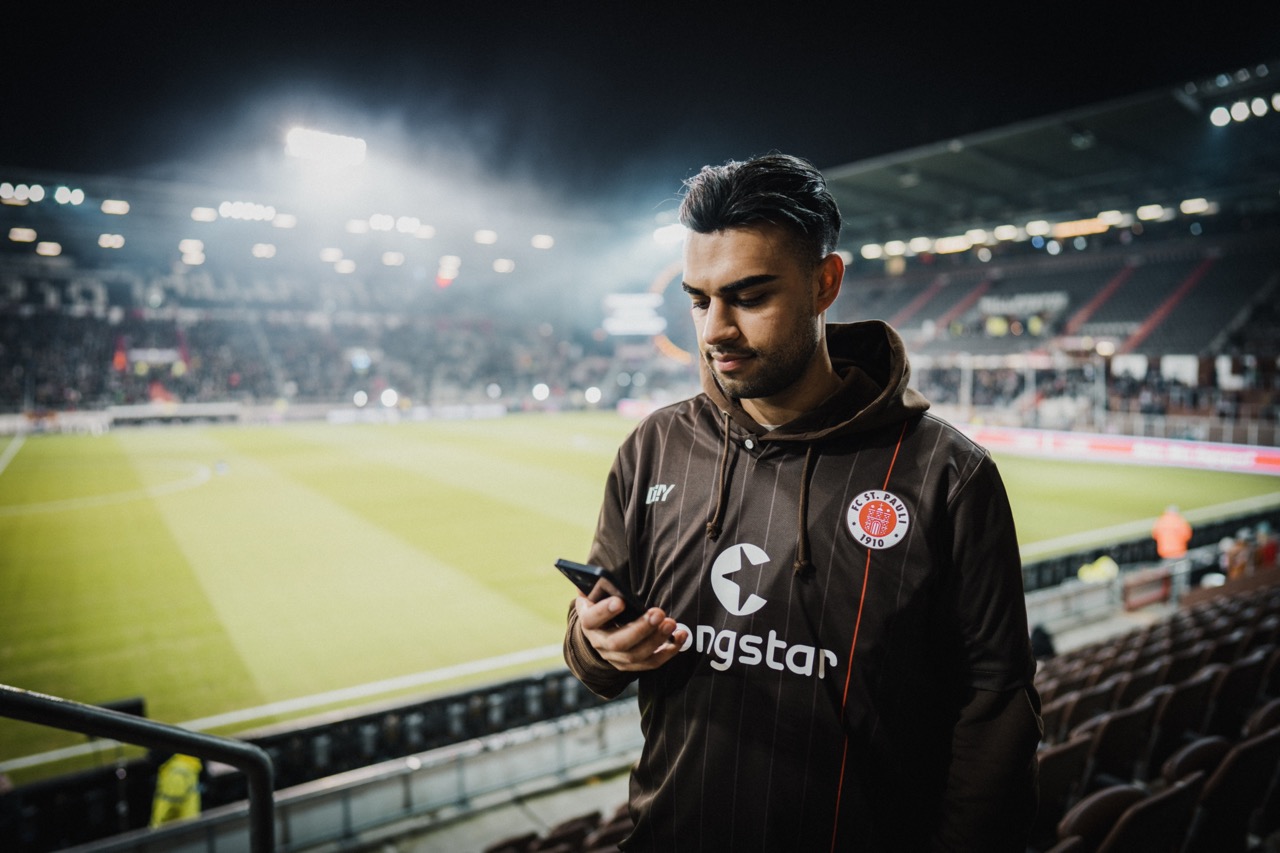
The rules of the game in e-commerce are changing faster than ever before. With the immense advance of artificial intelligence and SAAS solutions in the e-commerce sector, it has never been easier to position yourself correctly. But it has also never been so easy to miss the boat. Particularly in the checkout process, online retailers usually wait too long to make the change requested by customers. What used to be prepayment and cash on delivery are now Apple Pay, Amazon Pay or even Bitcoin payments. Customers expect a smooth shopping experience. Retailers who cannot offer this are losing customers.
In this guide, we have listed 10 practical tips on e-commerce payment solutions that every retailer should know and implement if they
These gateways are the number one tool to improve the shopping experience - if they are chosen correctly. The best e-commerce payment solutions are those that can be integrated into the natural flow of a store without redirecting the user to a third-party site. Existing e-commerce solutions enhance the payment system, increase conversion rates and ensure a smooth checkout process.
The design, front end and branding must also meet the needs and experiences of customers. Users already feel insecure when they have to enter their credit card details online, for example. A good level of trust can usually be created with professional branding. Security certificates, customer ratings and a checkout process that is as simple as possible can help here.
That's why it's so important to drive forward optimization for mobile devices. Because nowadays, the vast majority of online orders are placed from smartphones. In the second quarter of 2023, cell phone sessions accounted for almost two thirds of total global e-commerce traffic. The share of tablet sessions amounted to just 2.63 percent(source).
E-commerce companies must therefore pay particular attention to keeping their security systems up to date with the latest booth. Proper encryption and data protection have top priority in this area.
Providers such as Unzer offer quickly integrated, customizable payment solutions for e-commerce and all other places where payments are received and managed. Unzer is qualified for this not only because of its specialization in this field, but also because of its many years of successful cooperation as a payment partner for companies such as FC St. Pauli, Rose Bikes and Bergfreunde. Do as these brands do and integrate the right e-commerce payment solutions as a growth engine for your company.
So there are already reliable and established providers of e-commerce solutions that enable your customers to make smooth purchases. No one needs to reinvent the wheel or hire expensive developers who work with API calls to develop their own novel and usually error-prone payment solutions. Those who use established services here are ready to go faster.
What are you waiting for?
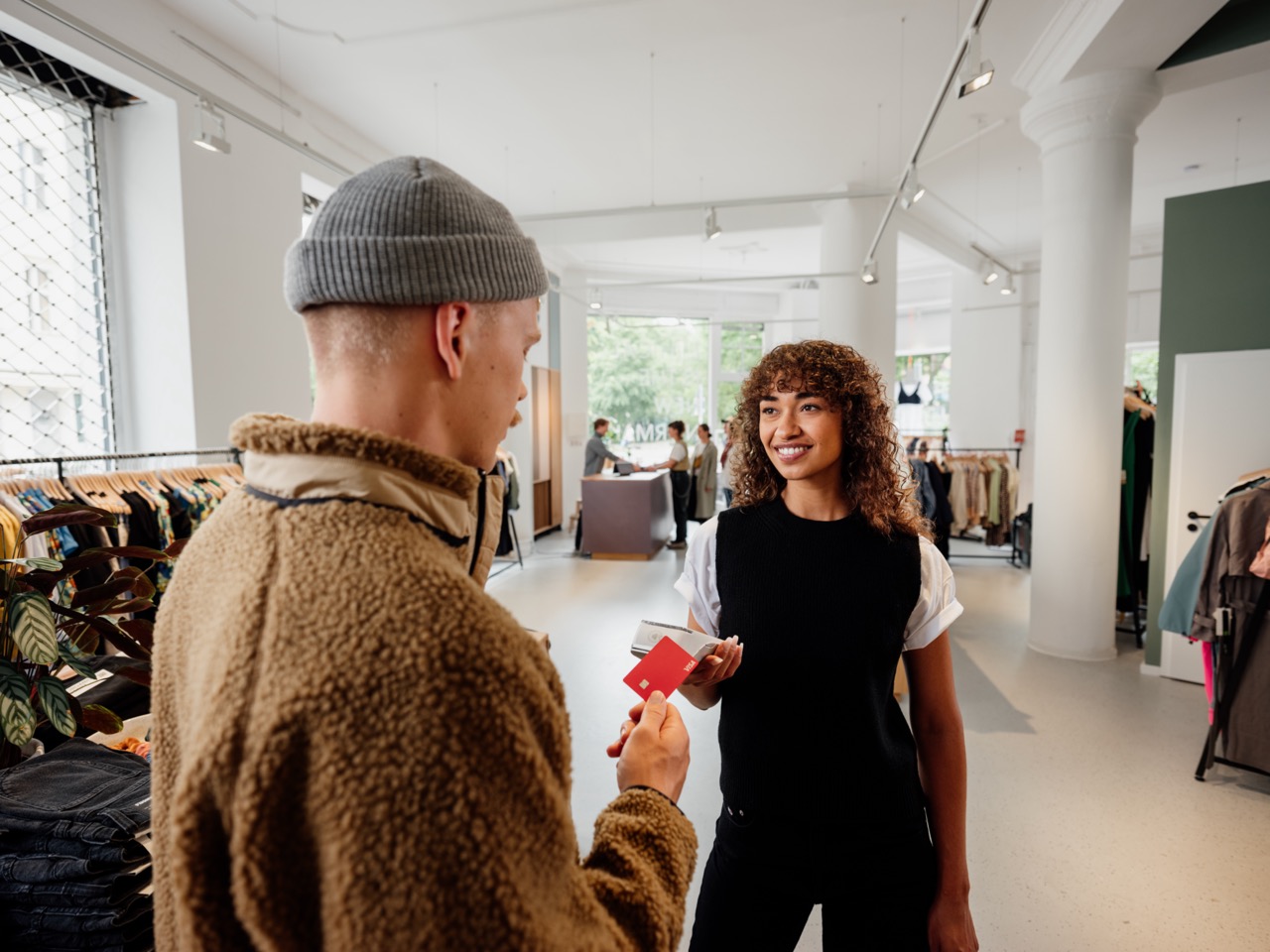
Unified commerce is increasingly being touted as the next big thing in the world of retail. It essentially means the unification of different channels - mainly e-commerce (online stores), mobile and point-of-sale (POS) commerce. Normally, these channels are managed separately with the help of different employees and software. Bringing all these channels together to centralize all processes, from inventory management to customer relationship management, is what we call unified commerce.
The idea behind unified commerce is to connect all channels - both online and offline - to get a centralized view of your inventory, your orders and, most importantly, your customer data.
"Customers don't think in terms of channels - they just want to shop seamlessly. With unified commerce, you offer customers the same outstanding shopping experience on all channels," says Rich Ware Sales Manager at Unzer.
A traditional sports retailer would probably use several different systems and staff to manage in-store products, e-commerce website traffic and purchases via a mobile app, for example, before implementing unified commerce. After unifying all relevant interfaces, the sales processes become smoother for customers and the resulting data helps chart an optimized course for all aspects - increased sales, brand awareness, regional customer segmentation, cross-channel marketing or even diversification.
In our example, this would mean that if there are 50 hiking boots in stock on the sports retailer's website, an employee in the warehouse or store should also be able to confirm exactly 50 of them via a phone call or chat on the website. With the help of unified commerce, such information can be accessed by all employees at any time and from anywhere.
Since all channels are integrated and all data and insights are centralized, all customers can go through the same purchasing process, all employees can provide the same information and all those responsible for brand-related decisions can access global sales data in one place without having to switch from one platform (CRM software, backend dashboard, e-commerce website, etc.) to the next.
Those who use unified commerce now will benefit in the coming years from the improved shopping experience for the customer, as well as from the improved processes, and will secure a competitive advantage and a better position in the industry.
Unified commerce can help any business that has a physical store and online commerce. Large retailers with at least €1 million turnover and both online and offline presence will benefit the most from integration. This is because smaller companies may not get the results that are worth the time and financial investment, while larger companies may take too long to unify everything.
Here's an overview of who can use unified commerce effectively and how:
Put simply, unified commerce can be seen as a kind of puzzle made up of interconnected components, and each piece of the puzzle plays a crucial role in the smooth functioning of the whole.
Here is a brief look at the most important components of unified commerce:
To ensure an optimal shopping experience, the entire purchasing process must run as smoothly as possible. However, if the company uses different systems and multiple platforms have to be managed in parallel to obtain relevant data, this takes up a lot of time and can also lead to major problems.
Unified commerce also offers numerous advantages for inventory management, accounting and marketing departments. Thanks to consolidated data and insights, decision-makers, employees, strategists and staff can access the same information at any time and stay in the same booth. This means that data-based decisions can be made in the shortest possible time and the shopping experience for customers is taken to a new level.
For example, a sports retailer can use unified commerce to improve the customer experience by offering customers the opportunity to pick up an item at their nearest store after placing an order via the mobile app. It can go one step further and offer a hassle-free and straightforward returns experience, where returns can be accepted at any store or dropped off at the nearest Packstation, regardless of where the item was originally purchased.
Ultimately, it's about unifying all your systems and managing them in one place or collecting the data from all the different systems into one dashboard. This includes systems such as:
Unified commerce is the most reliable solution for most companies today when it comes to seamlessly integrating and optimizing different sales channels and increasing customer satisfaction. However, developing a system to unify all these aspects can be a particularly expensive, time-consuming and problematic task. It is much easier to choose a partner with expertise to help you with the implementation.
Unzer has been a strong payment partner to companies such as FC St. Pauli, Rose Bikes and Bergfreunde for years. From payment acceptance and intelligent POS terminals to white-label BNPL solutions, analytics and risk management, Unzer provides all the tools you need to build a unified commerce strategy. In addition, Unzer enables companies to cover every stage of the payment process - online and in-store.
Unified commerce has become the next big thing after the e-commerce boom, the COVID-19 pandemic and increased online purchasing behavior. Those who start implementing a unified commerce strategy today will secure a clear competitive advantage, an improved customer shopping experience, more data and ultimately more sales.
Are you ready to take your business to the next level?

When experts talk about the sports and outdoor market in the People's Republic of China, they are talking about spectacular success figures and a huge potential that still needs to be tapped into. And it's about a very special market that offers just as many secrets and hurdles as opportunities. At ISPO Beijing from January 12 to 14, 2024, ISPO.com will reveal how the market for sports and outdoor in China is developing and what will be important for manufacturers and brands in 2024.
From a Western perspective, this huge country with a population of over 1.4 billion is often still hard to grasp. Veronica Pang, Group Project Director of ISPO China, recently described the dimensions of sport and outdoor in China with impressive figures at ISPO Munich 2023. There are 980 mountain peaks in the People's Republic that are 5,000 meters or higher - not a single one in Western Europe. 14,298 mountains in China are between 3,000 and 5,000 meters high - a mark that the Zugspitze, the highest German mountain at 2,962 meters, falls just short of. And by 2025, China plans to set up around 10,000 new campsites for its increasingly outdoor-minded population.
The need to catch up after the strict coronavirus restrictions plays a major role in the spectacular growth. "People are longing to be outside again and be allowed to move around," reveals Veronica Pang. On the social media platform XiǎoHóngShū, the Chinese Instagram, posts about hiking and mountaineering achieved 2.5 billion views from January to October 2023 - an increase of 300% compared to the same period last year.
Cycling and biking, the current trend sport par excellence in China, even saw an increase of 400% with 1.3 billion views. Interest in diving and surfing (8 billion views) and camping (6 billion views) was even greater. And the potential is far from exhausted. In China, for example, only around 6 percent of the population jogs and runs. In Germany, the figure is a good 25 percent, in Japan and the USA 29 percent each, in the UK 34 percent and in France 35 percent.
Especially after Corona, the government in Beijing has launched "extensive activities to promote fitness and physical health," says ISPO Director Veronica Pang. In November 2022, eight ministries, including the General Administration of Sport and the National Development and Reform Commission, launched the "Development Plan for the Outdoor Sports Industry (2022 - 2025)". This was the first case of a national policy that prioritized the development of the outdoor industry.
This was followed in October 2023 by the "Action Plan to Promote the Construction and Improvement of Outdoor Sports Facilities (2023 - 2025)". The government is pushing these activities enormously, and companies in this sector are benefiting from this. Beijing is also setting the priorities for development, reveals Veronica Pang: "The key words are safety and sustainability. This is to ensure that the new fans can enjoy their outdoor activities without having to worry about the risks and without causing undue harm to the environment."
Ski touring pioneer Vincent Wang Xiao Yuan is a sought-after expert in this field. He is known in his Chinese community as "Uncle Cho" and is responsible for several winter sports categories at retail giant Alibaba Tmall. He has observed major changes: "The Chinese market has changed a lot in the last four years. We have seen many brands and categories that have grown enormously." He summarizes his learnings in six points.
Expert Vincent Wang Xiao Yuan aka "Uncle Cho" put forward five theses during his visit to Munich.
The image and positioning of a brand in Europe or North America hardly play a role in the Chinese market. Suppliers here are often active in completely different fields. Lululemon, which is primarily known for yoga clothing in Europe, focuses mainly on sporty everyday fashion in China - because yoga has not been very popular there to date. Lululemon's main target group is women, who in China mainly decide what clothes the whole family wears. Salomon focuses less on ambitious athletes and more on casual sportswear. Descente specializes in sporty clothing for the office and workplace. Since 2015, the US company Marmot (German: Murmeltier) has become one of the market leaders for down jackets, which are very popular in China.
"Running a brand in China is very complicated, very challenging - and very interesting." - Wang Yalei, Strategy Director of the Chinese holding company BMAI Sports Group.
Fjällräven from Sweden has successfully positioned its multicolored Kånken backpacks as a fashion accessory since 2014, primarily via social media. And the US bike manufacturer Specialized has established its bikes in China so successfully as a high-quality lifestyle product with an envy factor that its dealers in Beijing had to turn away nine more prospective customers for every bike sold in 2022. At times, delivery quantities were so tight that customers were happy to spend 9,000 dollars on a racing bike - twice the list price.
In the "Double 11" around November 11, 2023, the Chinese "Black Friday", almost half of the 20 most successful suppliers of sports and outdoor goods were Chinese brands - even if some of them don't sound like it. FILA in China, for example, is managed by the domestic sports brand Anta, which is now competing with Nike and Adidas - and not by the FILA holding company from South Korea. The result: in the most recent "Double 11", FILA was number two in the sports sector behind Nike, ahead of parent company Anta, Adidas and the Chinese brand Li-Ning. "If you want to be successful on the Chinese market, you should find a partner there who will run the business with you," recommends Wang Yalei from the BMAI Sports Group. And he adds: "All international brands that operate in China have local branches here."
Key opinion leaders (KOLs) play an exceptionally important role in the Chinese sports industry. They are influential personalities who build bridges between brands and fans on digital platforms. Their recommendations not only increase the visibility of brands. They also create a deeper connection with audiences, drive engagement and shape the sports landscape. And there are many of them that brands can and should win over. At ISPO 2023 in Shanghai alone, over 1,100 KOLs attended, created videos and posts. According to a survey, around a quarter of them have more than 100,000 followers on social media platforms, and one percent even have several tens of millions of followers. The Chinese influencers at ISPO Shanghai were most interested in two categories: 69 percent were interested in all types of outdoor sports, 44 percent in all activities related to camping.
Expert Wang Yalei explains what it comes down to: money - and patience. "Building brand awareness takes time, product iteration and optimization take time." Getting KOL excited about a brand and getting to know the many special features of the Chinese sports and outdoor market requires patience. Just one of countless special features: "shoe counting". Artificial intelligence is used to record which shoe brands runners wear during marathons. This is even more important in China than in the West. Manufacturers, influencers and e-commerce platforms publish extensive statistics that show how the share of brands has developed since the last races. Conclusion: the changes are happening much faster than in North America or Western Europe.

The 2024 sports year will be crazy: in addition to regular competitions such as the Super Bowl or Tour de France, major events such as the European Football Championship in Germany or the Olympic Games in Paris will also take place in 2024. The sports industry will also come together at numerous events. In our ISPO event calendar, we show you where the journey in the sports business is heading and where sports history is being written! iGaming.com has also provided you with a comparison of the best betting sites if you want to wager on these events.
Every year again! The legendary Four Hills Tournament kicks off the sporting season. The European Handball Championships also start in Munich and the Winter X-Games in Aspen are the exciting finale. In business, the brands are looking forward to many test events in winter sports.
Biathlon World Championships, Swimming World Championships, eSports ... But nothing beats the NFL Super Bowl in February. The football spectacle will take place in Las Vegas in 2024 - superlatives guaranteed!
The Freeride World Tour comes to an end in March. In addition, challenging ski competitions also attract amateur athletes to the mountains. And the World Figure Skating Championships in Montreal ensure the elegance of winter sports.
Several major, traditional metropolitan marathons are coming up in April: Paris, Boston, Vienna, London ... In France in particular, the atmosphere in the run-up to the 2024 Olympic Games is sure to attract many participants and fans to the route along the Seine.
May is the month of finals in European soccer: the leagues have their final match days, followed by the finals in the national and international cup competitions.
The big soccer tournaments continue in June: The European Championships in Germany and the Copa America in the USA are on the agenda. Athletics will also be celebrating its European Championships in Rome. Meanwhile, the sports industry is looking forward to OutDoor by ISPO 2024 in Munich!
Time for the sporting highlight of the year: the 33rd Olympic Games in Paris. The French capital will host the Games for the third time in 2024 after 1900 and 1924. Before the Games begin, the European Football Championship final will take place on July 14.
While the Summer Olympics are coming to an end in Paris and the Paralympic athletes are preparing for their competitions, the trail runners are looking forward to their annual highlight on Mont Blanc.
The European soccer leagues are back in action in September. In addition, the world's best triathletes will come together in Nice to crown their world champion and marathon runners will be chasing records in Berlin. The sports industry can find inspiration for modern textiles at MUNICH FABRIC START.
In October, the NBA kicks off a new basketball season and darts fans can marvel at the best players in Europe in Dortmund. The sports industry meets in Munich for several top-class events.
London's O2 Arena will host one of the biggest eSports events in the world in 2024: the League of Legends Worlds. In tennis, the professionals are looking for their champions of the year - the women in Mexico, the men in Italy.
At the end of the year, the PDC World Darts Championship in London's legendary Ally Pally has become a cherished tradition. Just like ISPO Munich 2024 for the sports industry. The sports trade fair will take place at the beginning of December.