

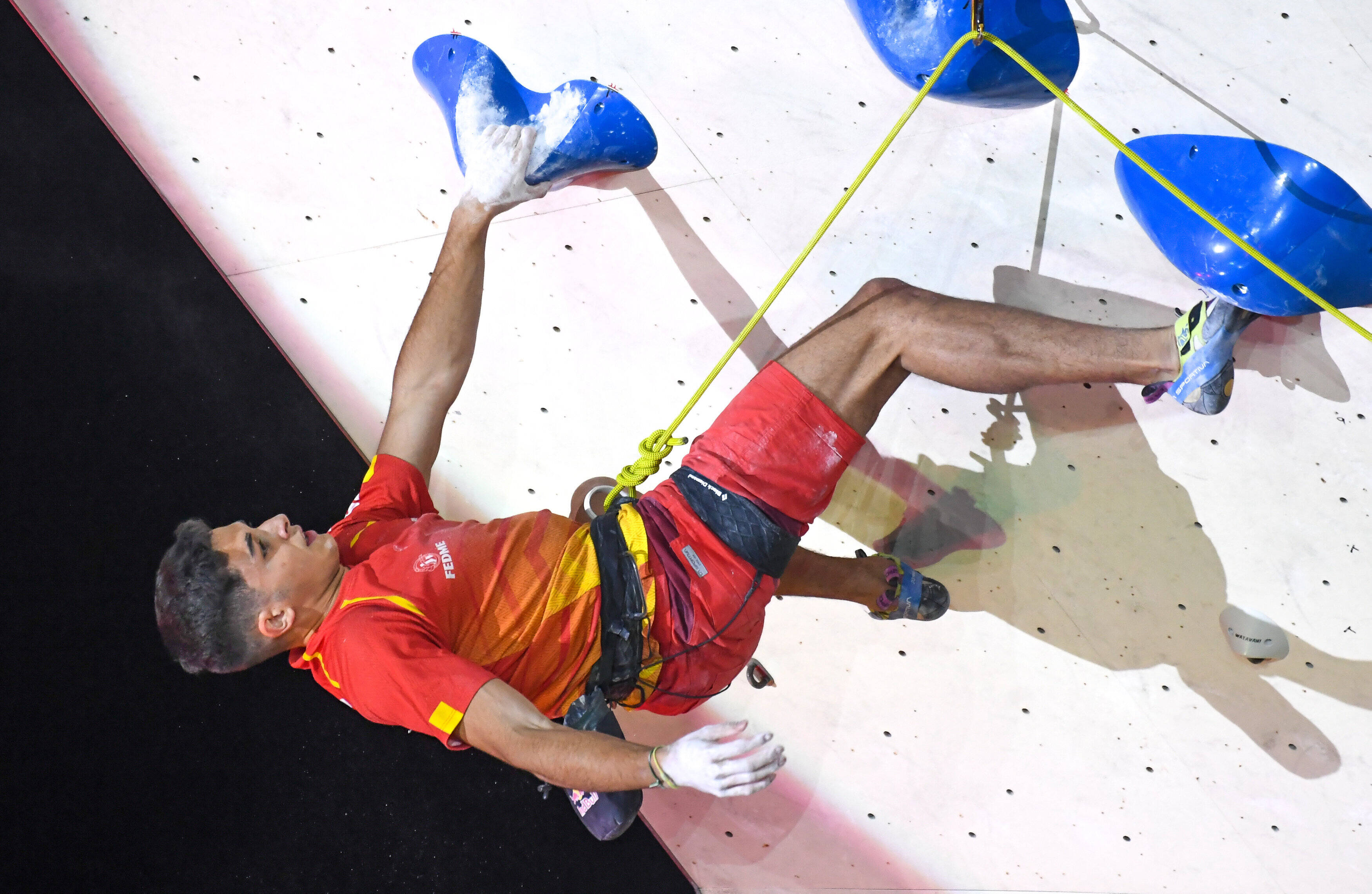
Adam Ondra and Chris Sharma are undoubtedly at the top of the world climbing scene. But a new generation of young savages is already in the starting blocks, cracking the world's most difficult routes - first and foremost Alexander Megos and Ashima Shiraishi. Then there are the rising stars of the sport climbing scene such as Alberto Gines Lopez and Janja Garnbret.
In September 2017, Ondra celebrated the first ascent of the route "Silence" in Flatanger, Norway, in difficulty grade 9c. But who else is up to the route? We present the best climbers in the world.
Adam Ondra and Chris Sharma are one of the best climbers in the world and undoubtedly at the top of the world climbing scene. But a new generation of young savages is already in the starting blocks, cracking the world's most difficult routes - first and foremost Alexander Megos and Ashima Shiraishi. Then there are the rising stars of the sport climbing scene such as Alberto Gines Lopez and Janja Garnbret.
In September 2017, Ondra celebrated the first ascent of the route "Silence" in Flatanger, Norway, in difficulty grade 9c. But who else is up to the route? We present the strongest climbers in the world.
New records in the climbing sport are set every year, but there are well-known athletes who are the Top ten best climbers in the world. Their achievements have become the history of modern sports and there is no doubt about the skill and talent of these people.
After reviewing the top 10 rock climbers of all times, everyone can make his own choice. It’s clear that professional climbers are athletes who have done a lot of work on their body and willpower, and each of them has made a great contribution to modern climbing.
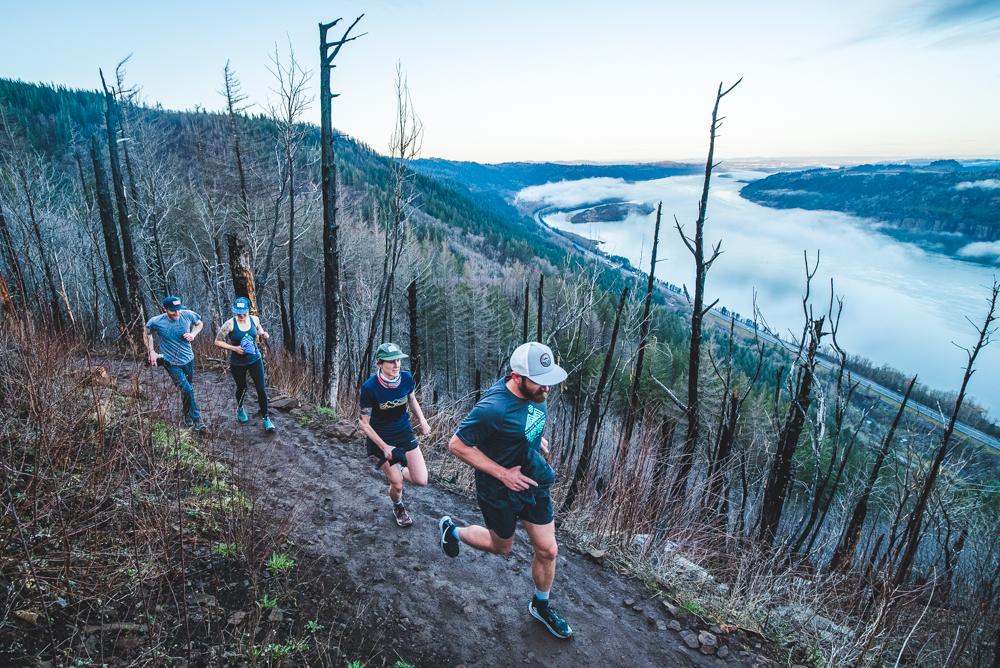
Running is a mass sport and a passion. What you wear is a matter of attitude - and sometimes a statement. ISPO.com presents 8 indie running brands and companies outside the big players and shows how they score points with extraordinary brand messages.
A running outfit outside the mainstream? We present international indie running brands that show how individual and cool running clothes can be. And: all brands have clear but different brand messages.
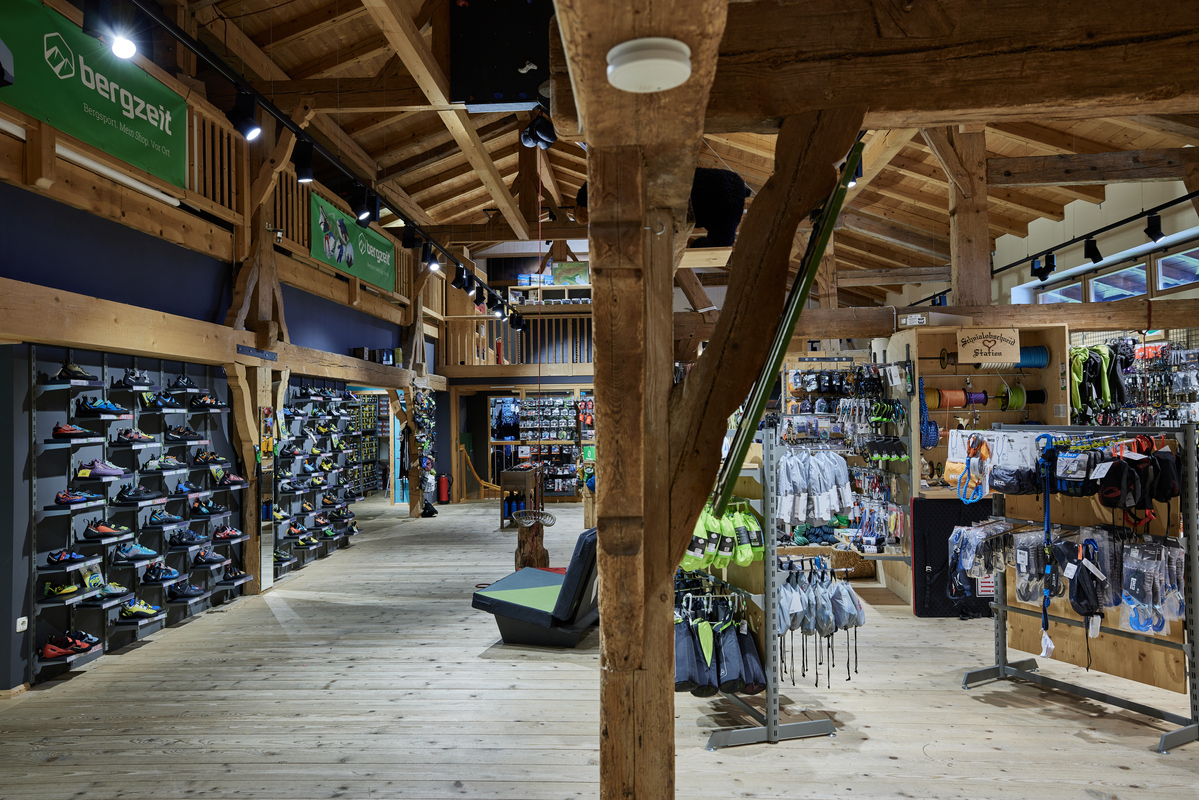
Brands and retailers depend on each other, whether in e-com or brick-and-mortar retail. But the partnership is not an easy one. We asked brand representatives and retailers to talk and found two who speak plainly. Christian Hofstetter is Head of Buying and Sales at Bergzeit, and he sometimes removes brands from his range if sales, but not cooperation, are right. Herbert Horelt, Managing Director of Devold in Germany, wants his brand to be seen not just as a supplier, but as an individual.
Brands can sell directly to consumers, have a wide variety of retailer strategies and thus partnerships to choose from. Retailers must choose their brand partners carefully, match them to customer preferences, and not lose sight of what is special about their own business. The requirements in this partnership are diverse and complex. Especially when inflation, uncertain supply chains, the aftermath of a pandemic, customer reluctance to buy and full warehouses make selling goods more than challenging.
Here, we have contrasted what Hofstetter and Horelt would like to see from their respective partners on the brand and retailer side. The two also explain what they see as the important function of a leading trade show like OutDoor by ISPO.
Retailer Christian Hofstetter, Head of Buying & Sales at Bergzeit:
The brand representative, Herbert Horelt, Managing Director at Devold :
For us, working in partnership plays the biggest role. Within the framework of a partnership, we see it as elementary that we tackle problem cases together. In addition, loyalty is important to us in our cooperation.
What are the no-gos in collaboration?
Brand representative Horelt: Excessive demands are my top priority here. Because the manufacturer also has to calculate and needs - just like the trade - a certain degree of planning security. Another no-go for me is when the manufacturer is only seen as a supplier. Even if many product ranges and products are the same today, the brand core, brand orientation, the faces behind the brand and the cooperation are individual and should also represent an ideal value, be emotionally valuable. valuable.
Trader Hofstetter: Constant strategy changes do not form the stable foundation we need. We benefit from a high degree of planning security and want to avoid having to constantly readjust and familiarize ourselves with the fact that agreements no longer have any value after one season. It also becomes difficult when there is a lack of flexibility to deal with upcoming challenges in a solution-oriented manner. In corporate groups, the system is often rigid and the willingness to open up or rethink is missing in one place or another. Honesty and openness are important in cooperation. If this is not If this is not shown to us, for example with regard to our own sales strategy, we are faced with challenges. It becomes unpleasant, for example, when a supplier operates its own D2C business as a profit center and offers its own goods at reduced prices during the season or very early on.
Have you ever terminated a cooperation with a brand/dealer* even though the sales were right?
Dealer Hofstetter: Yes, we have actually done that. However, I'm not a big fan of it, because the customer is the one who suffers. At the end of the day, the buyers have a need and if we can no longer meet it because we have taken the brand out of the range, then they will shop elsewhere. Often we can offer alternative items, but with certain products/brands it is very difficult to steer online to another choice.
Brand Representative Horelt: To date, we haven't done that, but in tough economic times, I definitely see the opportunity. When we think in terms of territory protection, etc., it is obvious that we evaluate our partnerships and choose partners that are right for us.
Are there any brands/dealers you have remained loyal to because of good cooperation?
Brand representative Horelt: Yes definitely, we always try to overcome challenges and less profitable times together and solve problems in partnership. For me, that means communicating with each other early on, acting honestly and transparently, and extending deadlines and finding compromises when necessary.
Trader Hofstetter: That actually happens a lot. We carry some brands for several seasons, even though the KPIs don't meet the targets. We believe in the brand and trust that it has a future. But an important role is also played by whether the cooperation with the brand is going well. In addition, it is always important whether the brand has product relevance for us in the respective segment. In other words, can we strengthen our positioning with the respective brand?
How important are trade shows / is OutDoor by ISPO for a functioning partnership?
Trader Hofstetter: Basically, I hope to be able to exchange ideas with as many people as possible at OutDoor by ISPO in order to cultivate contacts and find out about trends and potential. This can concern the product itself, but also relate to current strategies. At OutDoor by ISPO, our focus is not on selecting the product range, but on being inspired by innovations and meeting our industry contacts. I am very much looking forward to that. I think this exchange is very important because we can all learn from each other and with many the only opportunity to meet physically on site. We talk about innovations, strategy developments, challenges, etc. - and that doesn't even happen quickly on the phone!
Brand representative Horelt: We want to make the brand tangible. This year we have the pleasure of welcoming 15 sheep farmers from our New Zealand partner farms to the trade show - they are passing through and we are planning a meet and greet with press representatives*. As these partnerships within the Devold Origin Program are an elementary corporate strategy for us, this is a highlight for us. At the same time, our goal is to show retailers the new products at an early stage and to look for At the same time, our goal is to show retailers the new products early on and to look for opportunities for in-depth collaboration - in my experience, these discussions work best in person and are indispensable in our industry. This exchange is important, but it requires a clear trade show concept. The focus should be on a leading trade show that finds the greatest common denominator. We currently see too many small local order fairs. This expense is difficult for us as a brand to bear.

Outdoor redefined: With a focus on sustainability or the expansion of digital channels, these six retailers are setting standards in the industry. You can find out more about some of the initiatives at OutDoor by ISPO 2023.
Climate protection moves people worldwide - especially those who feel deeply connected to nature. This perhaps explains why some competitors among outdoor retailers are making common cause for the preservation of the earth. But climate protection doesn't just work on the big stage. Some measures already do a lot of good in a smaller environment, as some retailers prove. The outdoor industry is also breaking new ground virtually. It relies on modern technologies and smart innovations, which are reflected in e-commerce trends, for example - in some cases almost as unique selling points.
Anyone who wants to learn more about sustainability, digitality & Co. will soon have the opportunity to do so. From June 4 to 6, 2023, some of the retailers will present themselves and their initiatives at OutDoor by ISPO.
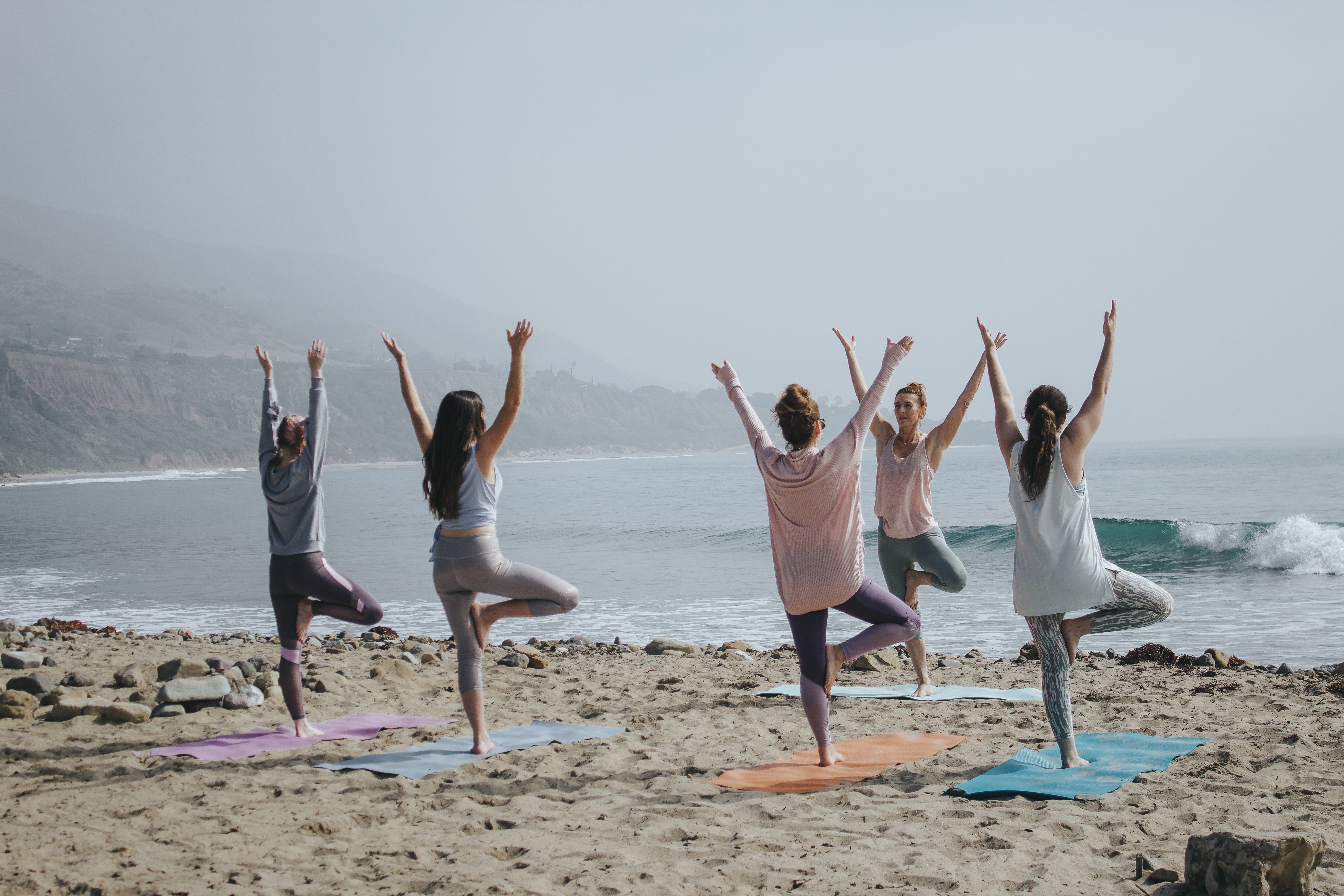
Sports tourism is an indispensable economic factor for the sports business. But what are the current developments and what opportunities does sports tourism offer for operators and brands? We give you a comprehensive overview of the market and provide important facts and figures - from the preferences of vacationers to current trends and forecasts for the future.
Health and an active lifestyle are in vogue - and not just since the end of the
COVID 19 pandemic. One beneficiary: sports tourism, which continues to grow strongly. The global sports tourism market is estimated at USD 587.87 billion in 2022 and is expected to reach a growth rate of 17.5% by 2030. Europe is the largest sports tourism market in the world, accounting for 38.01% of revenue. The range of activities on offer includes everything from sports events and training camps to active vacations.
Sports tourists love to be active outdoors and celebrate many different outdoor activities. According to the yearbook of sports statistics, they are divided into three segments:
In 2021, Spain received a total of 4.8 million sports tourists, of which
The revenues of the Spanish vacation regions from sports tourism came to
Although almost 80% of travelers came from Spain itself, the approximately 20% of foreign tourists* contributed to half of the revenue - which shows how important they are in qualitative terms. This was different before the pandemic: in 2019, 33% of international sports travelers provided 68% of total sports tourism revenue in Spain. In addition, event visitors* accounted for about two-thirds. So, while sporting events were the main driver of the sector before the pandemic, there was - at least in the short term - a trend towards domestic active vacationers. It remains to be seen whether this will be confirmed once the pandemic is over.
However, considering the general trends in the tourism industry such as increasing environmental awareness and flight shame, which are now important aspects for many travelers when planning their trips, the trend toward sports vacations in one's own country could endure due to climate friendliness.
Another trend is that more and more people are integrating sports and physical activities into their daily lives. For example, 4 out of 5 Europeans in the Outdoor Consumer Report 2021 by Deloitte and OutDoor by ISPO, four out of five Europeans said they had engaged in an outdoor activity in the past year. But what does this mean for organizers and brands? One thing is for sure: The increasing importance of sustainability, sports, and physical activity in daily life has a direct influence on vacation design and thus holds opportunities for the sports industry.
What will sports tourism look like in the future and what factors will influence it? To answer these questions, leading industry experts discussed at a keypanel at the international tourism trade show FITUR. Christoph Rapp from ISPO Munich, José Pablo Vázquez from Visit Valencia and Agustí Pérez from the Ironman Group emphasized the increasing importance of sustainability, digitalization and individualism. But how can companies benefit from these megatrends?
Like many other areas of sport, environmental change is also shaping sports tourism. Consumers demand sustainable solutions from companies and are willing to pay more for them. However, there is still a lot of room for improvement when it comes to environmental protection, especially at sporting events. It is not enough to ban plastic cups. Rather, there is a need for deeper awareness and change on a large scale. Agustí Pérez, Senior Regional Director South of the Ironman Group, called for increased collaboration with administrations and more sustainable processes, saying, "Both at the institutional and organizational level, despite a pandemic that has slowed down the rhythm of decision-making, we need to make all processes around the staging of events sustainable. From laws, to collaboration with administrations, to the demands of the athletes themselves. This is the only way to create truly sustainable experiences."
Digitization has also taken hold of sports tourism. More and more travelers are using online platforms and apps to plan and book their trips individually. Vacationers are increasingly using electronic devices such as smartphones and smartwatches for outdoor activities. According to the Outdoor Consumer Report, more than half of those surveyed use apps to track their activities and collect important performance data. The goal of operators and sports brands should therefore be to create a seamless digital experience for travelers.
Individual experiences have become increasingly important in tourism. The trend is away from mass tourism and toward holistic experiences tailored to the individual needs and interests of travelers. Here, sports such as ski touring or trail running offer ideal opportunities for nature activities away from the mainstream.
Christoph Rapp, International Sales & Retail Manager at ISPO Munich, emphasizes that creating such experiences not only satisfies customers* but also holds huge potential for revenue. It is clear that destinations, especially in the Alpine regions, need to adapt and expand their infrastructure to respond to this trend and meet the demand for individual experiences - without losing sight of sustainability.
Although the COVID-19 pandemic has put a damper on the sports and tourism industry, the potential of sports tourism remains high. Especially due to the increasing interest of consumers in health and active lifestyles, operators and brands should proactively leverage the trends in sports tourism by finding innovative solutions that take into account sustainability, individualization and digitalization at the same time.