


In high-output winter sports, the first layer is more than just a piece of clothing; it’s the foundation of performance, comfort, and confidence. With the Lifa Merino KnitEvo Crew, Helly Hansen introduces the latest chapter in its LIFA® innovation saga. Building on over five decades of pioneering moisture management technology, this latest evolution takes thermal regulation, comfort, and body-mapped engineering to new heights.
Designed with input from professional skiers, ski patrollers and mountain guides and refined through meticulous research and development, the Lifa Merino KnitEvo Crew offers the precise functionality required in demanding winter environments.
Since 1970, Helly Hansen’s LIFA® technology has been synonymous with advanced moisture management. The concept was groundbreaking: lightweight polypropylene fibers positioned next to the skin pull moisture away quickly, keeping athletes dry, warm, and efficient. Over the years, LIFA® has become a defining technology in base layers. The introduction of Lifa Merino combined the best of two worlds: LIFA® fibers for wicking and Merino wool for insulating softness.
The Lifa Merino KnitEvo Crew enhances this proven formula with modern engineered knitting techniques. At its core is the same celebrated 2-in-1 construction: LIFA® next to the skin and Merino wool on the exterior. What’s new is how the two materials intelligently interact. By incorporating body-mapped zones, the KnitEvo Crew provides elevated warmth where it’s needed most while maintaining breathability in areas prone to heat buildup, such as the back and underarms.
This hybrid approach is further refined through an open-knit structure in areas prone to heat buildup. The result is improved airflow and moisture evaporation without compromising insulation. On the shoulders and upper arms, where wind exposure and layering pressure increase heat loss, a tighter knit with loftier merino wool enhances warmth. This sophisticated yet seamless integration is evidence of Helly Hansen’s commitment to performance-first engineering.
Few brands engage with elite-level outdoor professionals as consistently as Helly Hansen does. For the KnitEvo Crew, collaborating with Team Telenor Alpine Norway and Alpine Canada Alpin athletes ensured that the garment would meet the highest expectations for cold-weather performance. These athletes operate in brutally demanding conditions where every layer must perform flawlessly.
Their feedback shaped the thermal placement, comfort, and mobility of the garment.
• Flatlock seams prevent irritation under movement-intensive layers.
• Raglan sleeves support a full overhead reach during skiing, hiking, or mountaineering.
• The regular fit ensures versatility — it can be worn directly on the skin as a base layer or comfortably over another layer as a light sweater.
While the technology is engineered for professionals, it also translates directly to advanced outdoor consumers, including ski tourers seeking reliable dryness on steep ascents, winter hikers exposed to variable weather, mountaineers navigating long days in the cold, and resort skiers who need dependable comfort from the first lift to the last run. The KnitEvo Crew is built for real-world performance at every level.
The Lifa Merino KnitEvo Crew is defined not only by the materials used, but also by how they respond to the human body during winter activity. Helly Hansen’s design philosophy begins with understanding thermal mapping—the logic that different zones heat and cool at different rates. Rather than using a uniform fabric, the KnitEvo Crew is calibrated to adapt intuitively to intensity, weather, and layering.
Breathability remains a cornerstone of the product. LIFA® fibers rapidly wick moisture away from the skin, preventing the chilling effect that often follows high-output activity. Meanwhile, the exterior layer of ZQ-certified Merino wool adds natural softness, antibacterial properties, and consistent insulation—even when damp.
The KnitEvo Crew embodies the tactile comfort Helly Hansen is known for with its soft, smooth next-to-skin feel, structured yet flexible knit, and thoughtfully neutral look that works both on and off the mountain. Multiple colorways for men and women allow wearers to express their style, whether they opt for subtle tones or bolder hues.
"We're honored that the Lifa Merino KnitEvo Crew was recognized with the prestigious ISPO Award as a top five winner in its category," said Martin Cizeron, Helly Hansen's outdoor product manager. "This award reflects the innovation and collaboration that went into designing our most advanced base layer yet, which combines our trusted LIFA Merino technology with enhanced performance through body-mapped construction. Designed for skiing, ski touring, hiking, and mountaineering, the Lifa Merino KnitEvo delivers elevated comfort and performance in any cold environment.”
It is a garment designed for modern alpine versatility, offering breathability for demanding uphill efforts, warmth for frosty descents, and comfort for long winter days stretching from trailhead to après-ski.
“LIFA moisture transport, Merino warmth, and body-mapped engineering make the KnitEvo Crew a true winter performance upgrade.” ISPO Award Jury
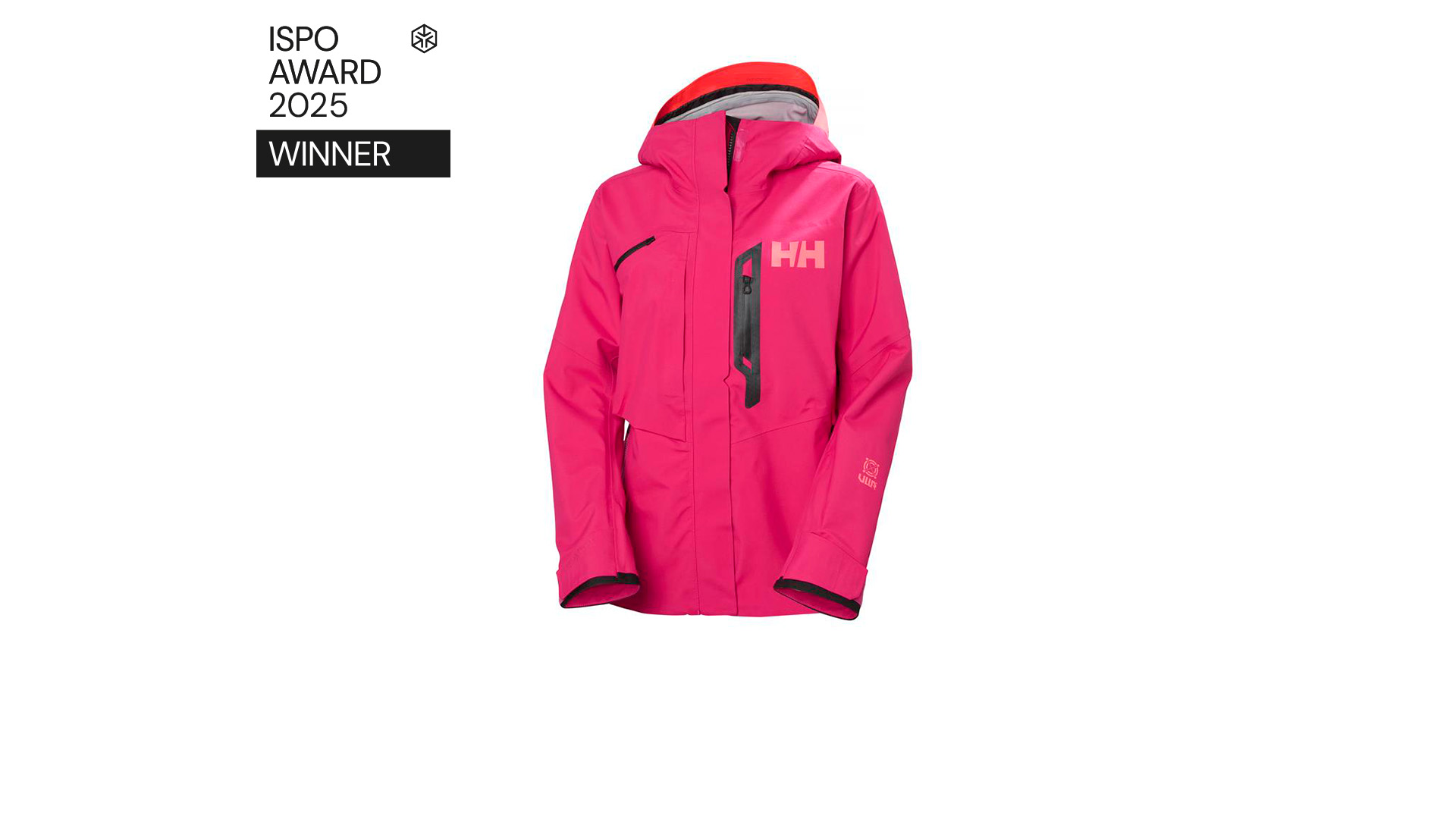
In the mountains, the difference between a good jacket and a great one is often determined by unpredictable moments—sudden gusts on a ridgeline, a whiteout rolling over a slope, or hours of exposure during back-to-back runs. The Helly Hansen Sogn Patrol Shell Jacket showcases the brand’s close partnership with working mountain professionals. Purpose-built, field-tested, and engineered to endure seasons of demanding use, this jacket is designed not just for performance but for absolute reliability.
Helly Hansen has long embraced a unique design philosophy of building gear in collaboration with the people who depend on it for safety and daily work. The Sogn Patrol Shell Jacket represents this philosophy in its purest form. During the ideation and development process, the brand partnered with professional ski patrollers, as well as experienced freeride skiers. They gathered insights directly from the field.
These professionals spend countless hours in harsh winter environments, navigating steep terrain, responding to emergencies, and working through rapidly changing alpine conditions. Their feedback helped shape a jacket capable of thriving in extreme weather while ensuring the durability required for multiple seasons of consistent use. The result is a reliable, long-lasting shell designed for professionals and ambitious skiers who seek the same level of protection.
At the heart of the Sogn Patrol Shell Jacket is Helly Hansen’s most advanced weatherproofing technology. HELLY TECH® Professional. The fabric, which is already proven in the uniforms worn by ski patrol teams across Europe and North America, delivers the brand’s highest level of waterproofness and breathability. A PFC-free DWR treatment, fully sealed seams, and windproof construction ensure that users stay protected on stormy days without sacrificing comfort or mobility.
The fabric’s endurance is more than theoretical. It has been tested in Helly Hansen’s R&D labs and proven effective over multiple seasons in the mountains. Reinforcements at the bottom hem and cuffs provide extra durability for frequent ski carrying, chairlift use, and backcountry transitions. For skiers who expect their gear to perform reliably day after day, whether they're managing avalanche control routes or venturing into remote zones, this rugged construction offers peace of mind.
The Sogn Patrol Shell Jacket offers more than just professional-grade weather protection. Its design blends high-performance functionality with thoughtful details, such as radio-compatible storage, LIFE POCKET technology, underarm vents, and a removable powder skirt. These features offer versatile performance. The jacket's durability and safety are further enhanced by a repairable zipper, stretch panels that improve visibility, an expandable, helmet-ready hood and collar, and an integrated RECCO® reflector.
The jacket's relaxed cut allows for layering in cold conditions and provides freedom of movement during active skiing, whether carving high-speed lines or navigating technical terrain. It strikes a balance between robust construction and functional mobility, which is critical for patrol duties and big-mountain riding.
“We’re thrilled to have the Sogn Patrol Shell Jacket recognized as a Top 5 winner of the prestigious ISPO Award,” said Louise Micolon, Helly Hansen’s Category Manager for Winter Sports. "Few brands have the chance to work so closely with in-house professional services teams and directly with ski patrollers and freeride athletes. This collaboration allows us to gain insights straight from the field and transform them into gear that delivers professional-grade performance. It’s incredibly rewarding to see our commitment to innovation recognized by the industry.”
“Patrol-tested durability, pro-level waterproofing, and functional details make this jacket a true workhorse for extreme conditions.”

In the depths of winter, when the snowpack shifts from powder to crust to slush and temperatures plunge far below freezing, the right footwear is more than just gear; it's a lifeline. Helly Hansen brings its decades of mountain-tested expertise to the Arctic Shield Pro Boot HT, a boot where performance cannot falter. This boot is engineered for the coldest, harshest environments, whether on remote winter trails or snow-covered city streets, and is packed with technical materials, advanced insulation technologies, and purposeful design features.
The beating heart of any true winter boot is insulation, and the Arctic Shield Pro Boot HT sets a new standard with a combination of 600 g PrimaLoft® insulation and OrthoLite® O-Therm™ — the world’s first aerogel-infused open-cell PU foam used in an insole. Aerogel is renowned for its exceptional thermal properties and provides unparalleled underfoot insulation by blocking the transfer of cold from the frozen ground while maintaining a comfortable and lightweight feel.
This dual-layer approach provides lasting warmth, even when temperatures drop well below zero. Outdoor enthusiasts, dog walkers, winter hikers, and urban commuters alike will enjoy a boot that reliably keeps their feet warm from pre-dawn steps to late-night returns.
It's not just about staying warm; it's about staying consistently warm. By combining the proven insulation of PrimaLoft® with the cutting-edge temperature regulation of O-Therm™, the boot avoids cold spots and maintains insulation even when compressed underfoot – a common weak point in traditional winter footwear.
Designed for serious winter conditions, the Arctic Shield Pro Boot HT's materials reflect this intention. At its core is HELLY TECH®, Helly Hansen’s proprietary waterproof and breathable technology that offers the best protection from snow, slush, water, and wind. This technology ensures that your feet will stay dry, even during long days spent in wet and variable winter conditions.
The specialized HH Snow-Grip outsole is built for unpredictable winter terrain, such as slick sidewalks, packed snow, slushy trail sections, and mixed shoulder season conditions. The rubber compound and lug pattern are specifically engineered to enhance stability and traction on packed snow and slush, giving the wearer confidence with every step.
HH Pro Guard, a reinforced material built for durability in exposed zones, protects critical areas that are prone to abrasion or impact, especially in deep or crusted snow. It reinforces the boot’s ability to withstand tough terrain, such as frozen fields and forested trails, where hidden branches or crusty ice can damage standard winter footwear.
For those who regularly face harsh winter weather—urban explorers, snowbound commuters, and weekday adventurers who refuse to slow down—this boot offers hardy protection that maximizes security and comfort.
"Earning an ISPO Award is a testament to the innovative design of the Arctic Shield Pro Boot HT," said Markus Westerberg, Helly Hansen's design director for footwear. "Our Norwegian heritage gives us firsthand insight into the demands of real winter conditions, and we design with those challenges in mind. The Arctic Shield Pro Boot HT was built to deliver dependable warmth, comfort, and protection, whether you’re moving through slush or exploring rugged, unpredictable terrain.”
The performance of winter boots is not just about insulation or waterproofing; it’s also about how the boot interacts with the foot during hours of movement. The Arctic Shield Pro Boot HT incorporates numerous design elements refined specifically for winter mobility and comfort.
One standout detail is the locking hook, which allows wearers to adjust the fit of the lower and mid-foot zones independently. This is a valuable feature when transitioning between low-impact walking and more dynamic movement on the trail. This customization improves comfort and stability.
The high shaft length provides protection in deep snow and keeps slush and powder out, even during demanding outdoor adventures. The boot’s internal design is also crafted with sustainability in mind; the lining, laces, webbing, and Strobel are all made from 100% recycled materials.
Despite its rugged, performance-focused design, the boot remains impressively comfortable. The breathable, abrasion-resistant materials have high-performance finishes that enhance durability and longevity. The combination of softness inside and robust protection outside makes this product suitable for outdoor missions, winter travel, and daily wear.
Finally, its clean, purposeful aesthetic blends functional winter design with a versatile look suitable for urban and outdoor settings alike. With men's and women's colorways — black and off-white — it seamlessly adapts to winter wardrobes while signaling performance at its core.
"Aerogel underfoot warmth, 600 g PrimaLoft insulation, and Snow-Grip traction make this one of the most protective winter boots we've ever judged."

The Mammut Eiger Free Pro HS Bib Pants bring big-mountain freeriding into the same high-performance universe as Mammut’s alpine flagship products. Built on the brand’s long-standing mountaineering expertise but reimagined for steep, technical freeride terrain, these bib pants combine rugged GORE-TEX PRO protection, long-lasting construction, athlete-led testing and a distinct freeride aesthetic. They are engineered for ambitious riders who demand absolute trust in their gear when dropping into couloirs, navigating deep powder and moving through exposed terrain.
The concept behind Eiger Free was clear from the start: merge Mammut’s decades of high-alpine experience with the culture and needs of modern freeriding. As Alfred Stoppacher, Eiger & Innovation Lead, explains: “We wanted to build something dedicated to the sport and the community behind it. So we took what we know from creating high-end mountaineering products and shaped it into gear that reflects the freeride culture.”
This approach set the tone for a product aimed not only at protecting freeriders in harsh conditions, but also expressing an attitude shaped by the sport’s aesthetics, environment and mindset.
Traditionally, the Eiger line embodies uncompromising performance. With Eiger Free, design became an equally defining consideration. Senior Designer Apparel Iina Lehto describes this evolution: “Functionality and performance have always defined the Eiger collection. But in Eiger Free, style isn’t an afterthought—it’s also one of the driving forces.”
This influence is evident in the bib silhouette, the wider freeride fit and the clean lines. The aesthetic signals freedom of movement, confidence and a look that belongs on big faces without sacrificing the durability and weather resistance central to Eiger products.
The Eiger Free Pro HS Bib Pants were engineered around longevity and field-servicability which is crucial for freeriders who spend seasons pushing into rugged terrain. Bonded elements were reduced, partial top-stitching increases seam tear strength, logos are embroidered for extended life and Mammut relies exclusively on robust Nr5 YKK Vislon zippers. Every pair includes waterproof self-adhesive repair patches for quick, in-field fixes, empowering riders to extend the life of their gear even far from the valley. These details result in a bib that withstands abrasion, impacts, crampon scuffs and long-term wear while maintaining the high protection level freeriders expect.
The pants use rugged 80d GORE-TEX PRO 3-layer fabric with a recycled nylon face, a solution-dyed backer and a PFAS-free ePE membrane. Reinforced with 400d GORE-TEX PRO fabric at critical zones, the construction delivers maximum abrasion resistance, waterproofness, windproofness and breathability.
For freeriders navigating deep snow, harsh storms or glacial terrain, this shell maintains a stable interior climate while delivering lasting protection. The bib itself uses breathable, stretchy Mammut FlexGuard Active, ensuring comfort and mobility on the ascent—yet durable enough for technical transitions and alpine exposure.
The development process involved three full prototype stages and extensive global field use. Product Manager Apparel Susanne Leutner highlights this process: “The goal was to create products, that reflect the demands of the athletes. For Eiger Free, the amount of testing was on another level. We ran lab tests, tracked performance data with sensors, and refined every detail. But the real difference came from our athletes—who basically lived in the gear all season long.”
Testing spanned North America, Georgia, the Alps, Italy, Switzerland and Norway. Conditions ranged from deep powder to steep technical lines and expedition-style terrain. The pants were repeatedly evaluated for mobility, fit under layers, snow-proofing, durability and big-mountain functionality. Each iteration was sharpened to ensure the final product performs without compromise.
The Eiger Free Pro HS Bib Pants are made in Vietnam at a Fair Wear partner factory. Mammut focuses on durable workmanship—embroidered logos, sewn-in trims, fewer bonded components—to extend product life and reduce waste.
The GORE-TEX PRO ePE membrane is PFAS-free, the backer is solution dyed to reduce water and energy use, and many fabric components are recycled. Every pair comes with repair patches to avoid premature product disposal. Additionally, Mammut offers professional repairs, free replacements for defects even after warranty expiry, and long-term support to maximise product lifespan.
»The Eiger Free Pro HS Bib Pants stand out for their blend of durability, protection and repair-friendly design. By merging freeride style with mountaineering-grade materials and athlete-driven testing, they deliver reliable performance for riders pushing into harsh terrain and heavy conditions.« ISPO Award Jury
Highly durable construction with reinforced seams, robust zippers and included repair patches for extended product life
GORE-TEX PRO ePE 3-layer shell with recycled components providing top-level waterproofness, windproofness and abrasion resistance
Athlete-tested across multiple continents ensuring proven functionality, mobility and reliability in extreme freeride conditions
Freeride-oriented silhouette combined with mountaineering performance principles for a modern, style-conscious product
Strong sustainability approach through PFAS-free membrane, recycled materials, solution-dyed backer and long-term repair service
The Mammut Eiger Free Pro HS Hooded Jacket Women brings the brand’s long-standing alpine expertise and tradition into the world of demanding freeride terrain. Using rugged GORE-TEX PRO protection, repairable construction and athlete-driven development, it is built for deep powder days, exposed couloirs and high-speed descents where gear failure is not an option. The jacket merges mountain-grade performance with a freeride look and feel—an evolution shaped directly by the needs of the sport’s most ambitious riders.
“We wanted to build something dedicated to the sport and the community behind it. So we took what we know from creating high-end mountaineering products and shaped it into gear that reflects the freeride culture”, Alfred Stoppacher, Eiger & Innovation Lead, explains the big idea behind the Eiger Free Pro HS Hooded Jacket. Eiger Free applies the learnings and experience from decades of creating elite mountaineering gear and redesigns it to freeriding with its own distinct identity.
In freeriding, gear must survive repeated abrasion, sharp edges, pack straps and the unpredictable impacts of variable snow and weather conditions. The Eiger Free Pro meets this challenge through a robust construction concept: fewer bonded elements, strategically placed top-stitching for seam strength, embroidered logos instead of prints and oversized Nr5 YKK vislon zippers on the center front and all pockets.
Two clean cutlines along the center-front zipper drastically simplify replacement in the event of failure—a common repair issue in heavily used hardshells. Every jacket includes waterproof, self-adhesive repair patches. Together, these features extend product life significantly while maintaining the reliability required for harsh alpine conditions.
The jacket uses 80d GORE-TEX PRO 3-layer material with a PFC-free ePE membrane, a recycled nylon face fabric and a solution-dyed backer. The result is a hardshell that is fully waterproof, windproof and abrasion resistant, while reducing environmental impact. Built to withstand deep powder, storms and rapid shifts in weather conditions, it offers a dry, stable interior climate even during high-output descents.
While performance sets expectations, the freeride world brings its own culture, attitude and visual language. Senior Designer Apparel Iina Lehto captures this evolution: “Functionality and performance have always defined the Eiger collection. But in Eiger Free, style isn’t an afterthought—it’s also one of the driving forces.”
The jacket’s boxier freeride fit, articulated elbows, piped seams and clean block-color options reflect this design ethos. It delivers unrestricted freedom of movement even with multiple layers underneath and without sacrificing the robust character of an alpine shell.
Eiger Free was developed with a testing process that went far and beyond. Product Manager Apparel Susanne Leutner highlights the depth of this approach: “The goal was to create products, that reflect the demands of the athletes. For Eiger Free, the amount of testing was on another level. We ran lab tests, tracked performance data with sensors, and refined every detail. But the real difference came from our athletes—who basically lived in the gear all season long.”
Across three prototype stages, freeriders tested the jacket in North America, Georgia, Austria, Italy, Switzerland and Norway. Narrow couloirs, steep faces, multi-day missions and high-speed powder lines shaped the final design. The result is a shell that enables ambitious skiers to move with confidence in technical terrain.
The Eiger Free Pro HS Hooded Jacket features Mammut’s Snow Sports Regular fit—straight, roomy and designed to accommodate layers without restricting motion. A RECCO reflector adds enhanced searchability in rescue situations. Every material, cutline and detail is engineered to withstand repeated high-load use, making it a reliable companion for demanding freeriders who prioritize the descent.
“This jacket blends the robustness of mountaineering gear with a freeride-focused fit. Its repair-friendly construction, durable materials and PFC-free GORE-TEX PRO deliver long-lasting performance. A shell built for making the most of tough lines in all conditions.” ISPO Award Jury
Durable, repairable construction engineered for long-term performance
Rugged GORE-TEX PRO 3L with PFC-free ePE membrane for harsh winter environments
Athlete-tested in multiple countries and optimized across three prototype stages
Freeride-focused fit and style with mountaineering-grade protection
Includes repair patches and design elements that simplify field maintenance