


By providing measurable data and fostering collaboration, impact tools lay the foundation for transparency and drive global change.
In an era where sustainability and social justice are non-negotiable, impact tools have become indispensable for fostering transparency and accountability in an increasingly reporting-oriented landscape. These tools empower industries to monitor progress, pinpoint challenges, and implement targeted actions based on measurable outcomes, such as labor metrics, environmental impact, and supply chain practices. By aligning with frameworks like the OECD guidelines and leveraging validated certifications, organizations ensure that their efforts are data-driven, credible, and consistent across borders.
Crucially, this aligns with EU legislation such as the Corporate Sustainability Reporting Directive (CSRD), which mandates transparent reporting on environmental and social performance, and the Corporate Sustainability Due Diligence Directive (CSDDD) and upcoming EU Forced Labour Regulation. These legislative frameworks provide a legal backbone that reinforces the role of impact tools in creating a unified standard of responsibility across industries.
Education also plays a pivotal role in driving sustainability. Impact tools are not just about monitoring—they enable informed decision-making by fostering a deeper understanding among stakeholders, from businesses to consumers. Education helps bridge the gap between complex data and actionable insights, creating the foundation for a shared vision of responsibility.
Systemic change requires collaboration. Multi-stakeholder industry organizations bring diverse expertise to the table, helping companies avoid inefficiencies and redundancies. These organizations establish shared standards, prevent greenwashing, and enable collective action that scales sustainability initiatives. By integrating risk assessments, certification standards, and transparent labeling, these partnerships ensure that sustainability and social justice is not just an aspiration but a measurable reality.
Step into the future of responsible business at the ISPO Munich 2024 Sustainability Hub, where seven visionary organizations are reshaping supply chain transparency and driving measurable progress in social and environmental impact. This is your chance to connect with the people behind the scenes, setting new standards for sustainability, explore actionable solutions, and gain the insights you need to scale transformative practices.
Looking to drive real change? Dive into expert-led resources like the bluesign Academy and Fair Wear Academy to navigate critical EU legislation such as the CSDDD and the newly implemented Forced Labor Ban. Strengthen your impact by partnering with leading tool providers like Cascale, Retraced, Oeko-Tex, and initiatives like Sympatex Digital Fabric Libary or Material Facts by Rab. Together, you can align your business with sustainable and equitable practices that deliver real change.
What are the next steps to prepare for EU-legislations?
Join GreenroomVoice on Wednesday the 4th of December at 17.00 pm to Dive into current and upcoming EU-legislation and its impact on your social and diversity strategies – regarding the gender dimension and inclusivity in your operations and supply chain partners with Panelists Pascale Moreau from Ohana Public Affairs, Camille Strippoli from SLCP and Mariette van Amstel from Fair Wear Foundation.
Retraced enables brands like Vaude to systematically create transparency and efficiency in their supply chains. By integrating 121 Vaude suppliers on its platform within just 12 months, Retraced facilitated real-time collaboration and automated processes, achieving a 95 % active supplier rate. With centralized management of certificates and advanced risk assessment tools, Retraced streamlines compliance with supply chain laws while reducing administrative workloads. Retraced demonstrates how efficient transparency can drive meaningful change, enabling brands to meet regulatory requirements and foster responsible supply chain practices and self-efficacy.
Cascale, formerly known as the Sustainable Apparel Coalition (SAC), is an industry association dedicated to accelerating environmental and social justice throughout the consumer goods value chain. With over 300 members, including brands, retailers, manufacturers, service providers, and non-profits from the apparel, footwear, and textile sectors, Cascale envisions an industry that gives back more than it takes from people and the planet. One of Cascale's flagship initiatives is the Higg Index, a suite of tools that members use to measure environmental and social impacts across their supply chains and scale sustainable solutions.
At bluesign, transparency and accountability are key to driving change in the textile industry. Impact Numbers from bluesign System Partners are publicly available, showcasing their efforts to reduce environmental impact and promote responsible production. By sharing progress and challenges, the aim is to inspire others toward sustainability. Using key environmental performance indicators (eKPIs) like water and energy consumption, carbon emissions, and renewable energy, bluesign partners track and improve their performance. The Impact Scorecard aggregates data to guide further improvements. Together, they are transforming sustainability into action.
Sustainability is increasingly becoming a data-driven discipline, driven by evolving legislation, stringent reporting requirements, and the need to assess sustainability performance effectively. When communicated clearly, data also empowers consumers to make informed decisions. However, current methods of generating and transferring sustainability data are often inconsistent and incomparable, creating the need for a unified approach. The Material Facts Collective, initiated by British outdoor brand Rab, is an industry working group uniting leading brands from the UK, Europe, and the US to establish a shared standard for product sustainability claims. Join the Collective in shaping and launching an industry-wide methodology for sustainability product data, set for publication in 2025.
The Digital Fabric Library by Sympatex reduces environmental impact by minimizing the need for physical fabric swatches, thereby conserving energy and lowering CO₂ emissions from shipping, in line with their sustainability mission. The platform's advanced digital capabilities, including Digital Twins for 3D prototyping, enable brand partners to visualize laminates within design systems such as CLO and Browzwear, streamlining the design process and decreasing reliance on physical prototypes. With user-friendly search and inquiry tools, material selection becomes efficient and precise, saving time while supporting sustainable product development.
The European Union’s Corporate Sustainability Due Diligence Directive (EU CSDDD) has been adopted. This legislation will mean that European garment brands have to implement HRDD in their supply chains. Fair Wear, the number one HRDD expert in the garment and footwear industry, brings decades of experience in providing high-quality, credible resources and practical guidance on human rights due diligence (HRDD). Building on this expertise and its OECD-based approach to responsible business conduct, Fair Wear has developed an online learning platform to help brands implement HRDD effectively. Join the HRDD Academy and take the first step in your HRDD journey.
When it comes to staying active, we often think about performance and comfort in our sportswear—but what about its impact on our skin health? Many athletic fabrics contain hidden chemicals that can be absorbed through the skin, potentially causing irritation or even long-term health risks. Oeko-Tex sets the standard for transparency and trust in the textile and leather industries. Guided by sustainability and backed by proven science, Oeko-Tex ensures that responsible choices are accessible to everyone. By promoting safer materials and processes, these standards not only protect consumers but also preserve natural resources for a sustainable future.
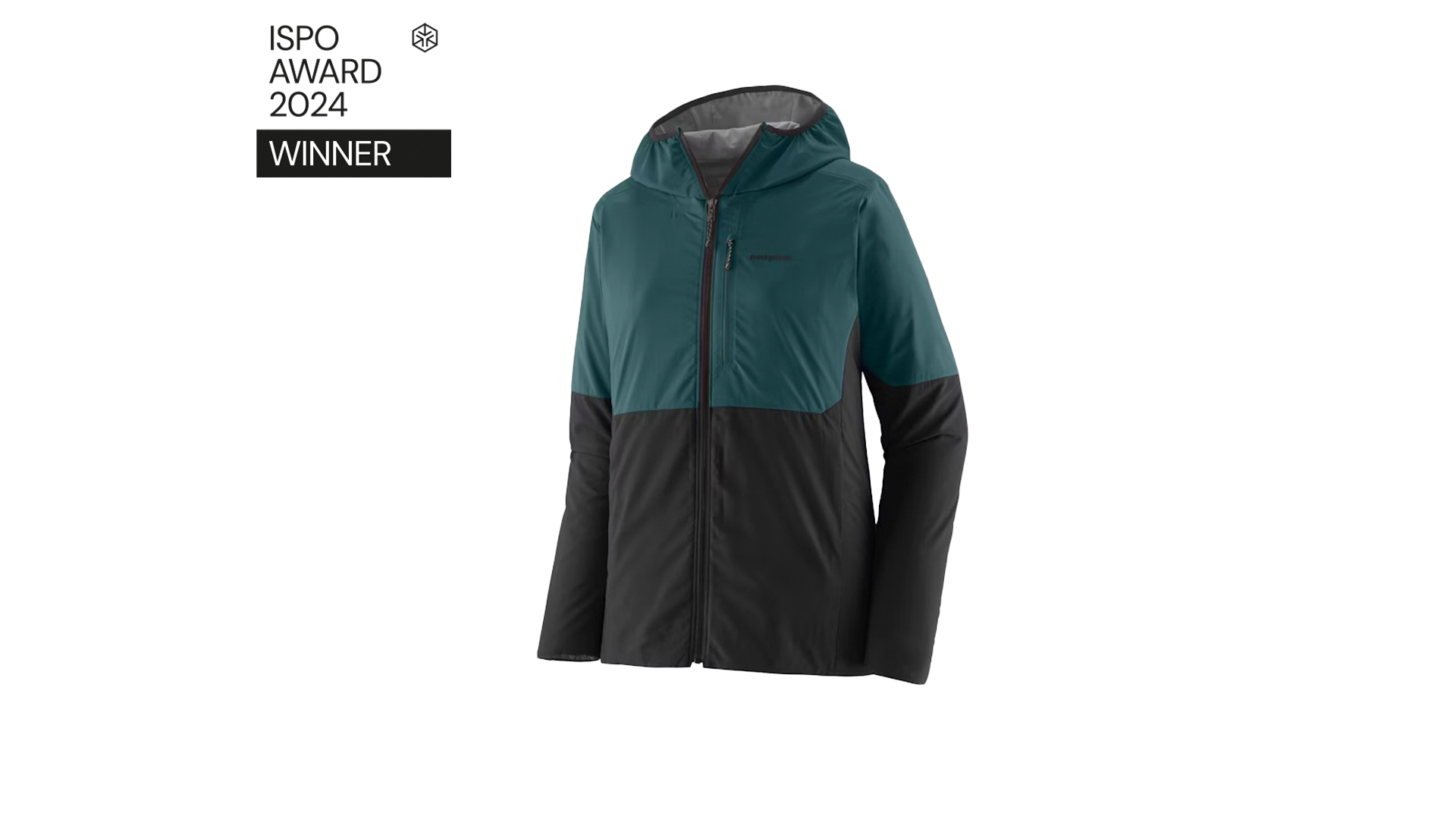
Patagonia's Nano-Air Ultralight Freeride Jacket is a groundbreaking midlayer designed to meet the rigorous demands of backcountry skiers and snowboarders. Designed as part of the PowSlayer Big Mountain Freeride Kit, this jacket offers the perfect balance of warmth, weather protection and breathability for dynamic alpine conditions.
The Nano-Air Ultralight Freeride Jacket is designed specifically for alpine touring and freeriding. Its 20g FullRange® insulation made from 100% recycled polyester provides lightweight warmth that adapts to changing activity levels to keep you comfortable as you climb and descend. A 100% recycled polyester ripstop shell offers mechanical stretch, exceptional breathability and improved abrasion resistance, while a durable water repellent (DWR) finish without perfluorinated chemicals (PFCs/PFAS) resists light moisture; the micro-structure prevents the fabric from sticking to the skin for versatile comfort. The breathable ripstop fabric on the body enhances ventilation, while the weatherproof recycled polyester ripstop on the hood and shoulders provides extra protection in harsh conditions.
Key design features include the Light Touch Expansion Hood, which is minimally taped for a smooth fit over or under a helmet and easy adjustment. A longer, snow-specific fit with articulated patterning ensures unrestricted movement, while the low profile cuffs with stretch panels fit comfortably under gloves. Storage is streamlined with two secure hand pockets and an external chest pocket, all with minimalist zips to reduce bulk.
The Nano-Air Ultralight Freeride Jacket reflects Patagonia's ongoing commitment to sustainability. Constructed from 100% recycled nylon and polyester, it highlights the brand's use of preferred materials to minimise environmental impact. The jacket is made in a Fair TradeTM certified factory, ensuring fair wages and improved working conditions for the workers. It also features a PFAS-free DWR finish, avoiding harmful perfluorinated chemicals traditionally used in water-repellent finishes.
To further reduce its environmental footprint, Patagonia backs this product with its Ironclad Guarantee, offering free repairs and emphasising durability over disposability. The jacket is designed to withstand years of use in demanding backcountry conditions, in keeping with Patagonia's ethos of building products that last and encouraging their reuse.
By incorporating advanced technologies such as recycled ripstop fabrics and innovative FullRange® insulation, the Nano-Air Ultralight Freeride Jacket represents the cutting edge of performance gear. More than just a product, it represents Patagonia's commitment to pushing boundaries in both technical performance and sustainable practices.
“This jacket is the result of extensive testing and design iterations, combining feedback from ambassadors and testers who pushed it to its limits in real-world conditions. The 20g Nano-Air Ultralight platform, perfected through Forge-led exploration, was consistently chosen for its unrivalled balance of warmth, breathability and protection“, explains Eric Wallis, Product Line Manager Snow at Patagonia.
With innovative materials, thoughtful design, and a strong commitment to responsibility, this jacket is an essential part of any backcountry touring kit. It's ideal for big mountain skiers and snowboarders who demand performance and share Patagonia's passion for protecting the planet.

The Mammut Eiger Nordwand Pro Down IN Hooded Parka is an extremely warm, durable, and technical belay and bivy down parka built for the most extreme environments. It delivers an outstanding warmth/weight/durability ratio with an innovative down baffle design. It features an innovative Mammut baffle construction with concealed stitch lines that provide excellent warmth retention limiting water penetration and clumping of the down.
The Eiger Nordwand Pro Down IN Hooded Parka is designed as your outer-most layer with a weather-resistant and durable face fabric and many technical and repairable details. Very warm, puffy, and comfortable: It has a durable and rugged look due to the Pertex Quantum Pro Diamond fused fabric with a dope-dyed black ripstop yarn to not only increase tear strength but also deliver striking aesthetics. Big chamber sizes inside the jacket ”hug” the wearer for extreme comfort and warmth retention, making you feel very safe and protected while belaying or in base camp. An extra-long cut and a big warm adjustable hood provide additional protection.
"This highly insulated down parka features our proprietary Mammut Wall down baffle construction, which is pushing the limits of warmth to weight ratios amongst existing state-of-the-art side wall constructions,« says Alfred Stoppacher, Eiger & Innovation Lead. »Its new innovative down chamber construction achieves higher warmth, better thermal efficiency and lower weight compared to a traditional v-wall construction. Internal down-filled tubes and hidden seams further maximize the quality of our responsibly sourced 900 cuin fill power DRYdown."
With this new design, Mammut was able to use less valuable down resources compared to conventional constructions to achieve the same warmth. The parka has down-filled tubes strategically placed at the inside seams to enhance warmth retention, a down-filled draft collar to seal in warmth, and responsibly sourced 900 fill Mammut DRYDown which is highly compressible and delivers outstanding warmth even when wet. A helmet-compatible 3-way adjustable hood with reinforced peak and down-filled draft tube provides full storm protection and seals in warmth.
"Another distinctive element of the Mammut wall construction is the sealed stitch lines. At the intersection of baffles, no threads are visible on the outside, strongly reducing the risk of yarn abrasion and also water penetration towards the inside of the chamber." This creates extra abrasion and water resistance without the often-seen bonded chamber connections, which are prone to delamination over time.
Due to its special recycled face fabric with the big black dope dyed ripstop and its unique Mammut Wall baffle design, the jacket is also a visually interesting product and unique on the market regarding down looks. It is highly recognizable in the classic Mammut Eiger colourway of orange and blue. The rugged style with alternating baffle sizes brings a new aesthetic to down garments. The parka comes in a relaxed fit, made to fit comfortably above a hardshell jacket.
Mammut performed many lab tests on thermal manikins to further optimize and improve the jacket. This way, the brand was able to test the heat retention and eliminating cold spots, achieving a clo value of 6 to 7. They even tested it for extended periods in a cold chamber of -28 degrees with a thermal imaging camera. Besides, several prototypes have been tested by our athletes and Swiss mountain guides in extreme environments ranging from Canada to Greenland and finally Pakistan. They swear by this jacket, keeping them safe and warm when they need to be protected from the cold.
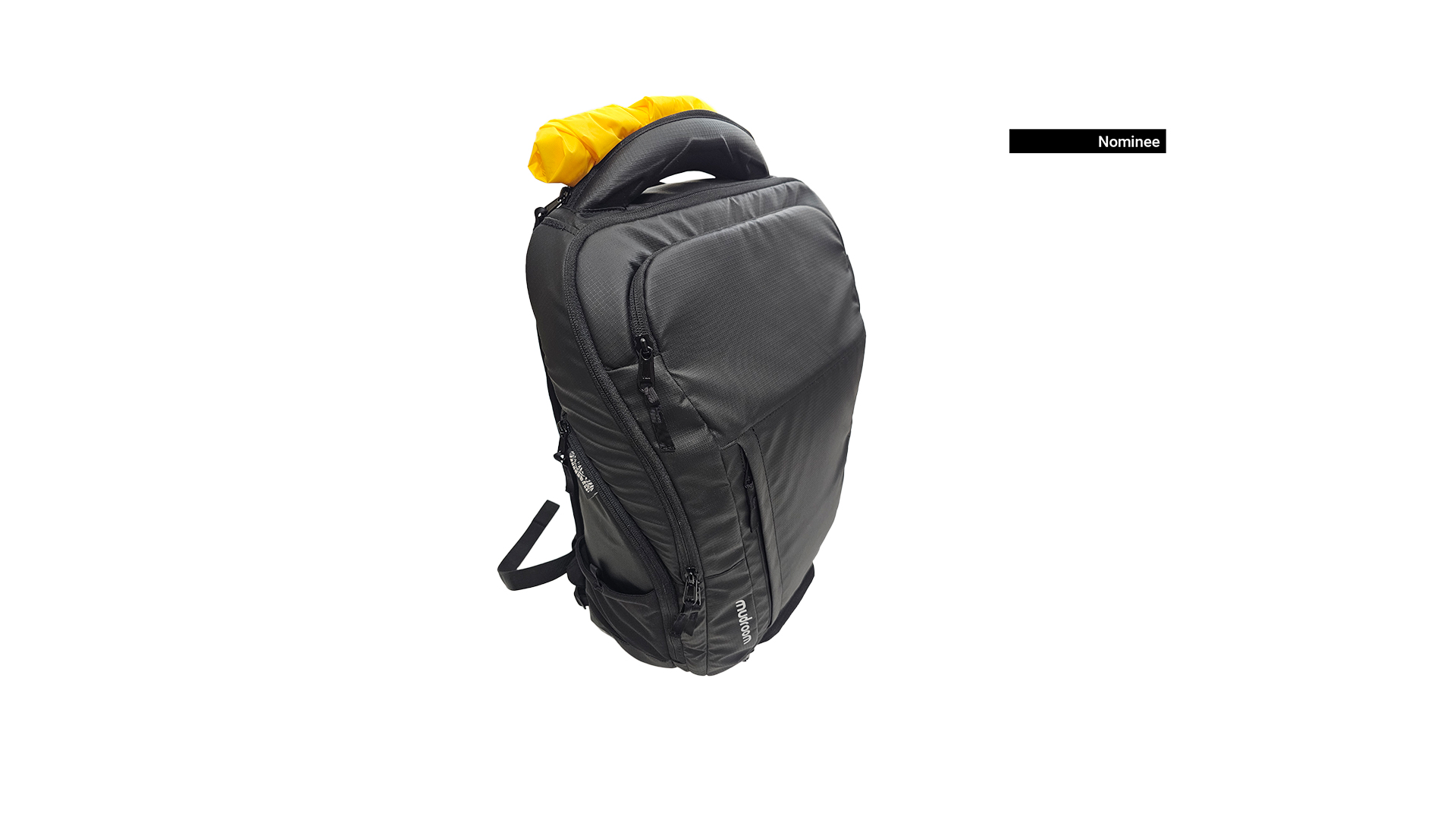
The Mudroom Intermodal is the ultimate all-in-one backpack, perfect for travelers and commuters with unique rain cover and shoe storage features.
The Mudroom Intermodal Backpack is a game-changer for travelers and commuters navigating today’s fast-paced, multi-modal world. Built with functionality and comfort in mind, this innovative backpack combines a sleek design with practical features. At the heart of its uniqueness is a patented carrying handle that doubles as a rain-cover holder, offering quick and convenient access during unpredictable weather. This US/EU-patented feature (EP3672436 and US Pat. 11,653,743) is exclusive to Mudroom, setting the brand apart from competitors.
Its thoughtful design extends to large, segregated shoe compartments accessible both externally and internally. This allows users to store footwear separately from clothing, addressing a common pain point for commuters and active travelers. By serving as a computer bag, shoe carrier, and hydration pack, the Intermodal Backpack eliminates the need for multiple bags, making it an ideal companion for intermodal travel across trains, planes, cars, and bicycles. Mudroom’s approach to solving real-world challenges reflects its commitment to providing tools that make daily routines seamless.
As David, a spokesperson for Mudroom, explains, “This is the original and only backpack in the market with a convenient-access rain-cover in the carrying handle. The inspiration for this was completely organic, and copied from no one.” Such innovation underscores Mudroom’s ability to out-think and out-maneuver industry giants, delivering exceptional value to users.
Mudroom’s Intermodal Backpack was developed with commuters and destination event travelers in mind, targeting individuals seeking convenience without sacrificing style or functionality. Its multi-use design is perfectly tailored for modern lifestyles, where people transition seamlessly between work, workouts, and leisure. The backpack’s versatility reduces the need for specialized gear, streamlining travel and daily commutes.
For retailers, the Intermodal Backpack represents an exciting opportunity to showcase an original, innovative product. With over 30 years of experience in bags and packs, Mudroom’s design challenges the dominance of global players by introducing a unique, thoughtfully engineered solution. “Mudroom is a Cinderella story,” says David, highlighting the company’s journey of creating a niche through innovation and dedication. This narrative resonates with retailers seeking products that differentiate their offerings.
For consumers, the benefits are immediate and tangible. From its hydration compatibility to its internal and external zippered access for shoe storage, every feature of the backpack is designed to simplify life. Whether transitioning from a work meeting to an after-hours gym session or navigating multi-modal travel across various transportation modes, the Intermodal Backpack provides unmatched convenience. By anticipating the needs of modern commuters, Mudroom has created a product that supports dynamic, on-the-go lifestyles.
Mudroom has integrated sustainability into the Intermodal Backpack by emphasizing multi-functionality. By combining three distinct uses—computer bag, shoe carrier, and hydration pack—into one design, the backpack reduces the need for multiple specialized products. This approach not only simplifies life for users but also contributes to more sustainable consumption by minimizing the demand for excess production.
In a world where adaptability and efficiency are paramount, Mudroom’s Intermodal Backpack demonstrates how thoughtful design can meet the challenges of modern commuting while aligning with sustainable practice

The Xperior Climawarm+ Down Jacket is designed to keep you warm in icy conditions as an outer layer or an insulation layer underneath your shell jacket.
The big idea behind this jacket was to merge modern design with high technicality to create a reliable and versatile garment for outdoor enthusiasts who want one warm down jacket for all their adventures. »Our Xperior Climawarm+ Down Jacket is designed to be a perfect layering piece. It is light, packable, and efficiently warm thanks to the patented Heat Seal Baffles construction to block out the cold spots and boost the warmth efficiency in the jacket«, says Allen Liu, Director Materials Development at Terrex. The Xperior Climawarm+ Down Jacket features 700 FP 80/20 Hyperdry Duck Down, a PFAS-free DWR finish, a snug fitted hood, and a convenient pack-it pocket. » In addition, We also design the fit to create the “snug feel”. With all these features and benefits, our Xperior Climawarm+ Down Jacket is no doubt your best partner in a layering system.
Its patented heat seal baffle technology blends design with functionality and provides warmth where it is needed most—the Terrex proprietary technology features differential baffle heights for improved heat retention. Every second baffle is bigger than the one before, covering the stitching lines of the down baffles and this way preventing warm air from escaping. The heat seal baffles are also strategically placed to provide warmth where it’s needed most. This technicality is combined with a stylish material overlay to create a jacket that can be worn in demanding conditions and on casual occasions.
While progressing from urban environments into high altitudes, modern consumers are demanding state-of-the-art designs yet high functionality that protects them from the cold and the weather. This jacket is purposely developed to ensure a retail price far away from down jackets with this kind of technology. This jacket is a key component of the ”TERREX Adventure Wardrobe,” primarily designed for hiking but versatile enough to suit various other winter adventures. By offering this versatility, customers are able to seamlessly transition into new sports and outdoor pursuits, as they can use the same jacket for a wide range of winter activities. This eliminates the need to purchase multiple jackets for distinct outdoor adventures.
The jacket features a PFAS-free DWR treatment on the outer layer material which repels light rain and snow. In case the rain or snow gets a bit heavier, this jacket still has you covered. »We use HyperDry Down to ensure a longer lasting performance of down insulation«, Liu explains.
80/20 Hyperdry Duck Down, 700 FP was treated with a water-repellant finish to make it less vulnerable to moisture. If water seeps through the main fabric, the water-repellent treatment on the down prevents clumping, maintains loft, and keeps you warm. This down also dries a lot quicker than normal down, which is a big bonus when you are out for longer, for example on multi-day trips.
“The Xperior Climawarm+ down jacket is a unique blend of patented performance features and modern design, with a price/performance ratio that is unmatched in the market. Our high-quality materials and down filling keep you warm down to -20°C during moderate activities. The water-repellent treated down and outer material even keeps you warm in light rain.”
Moritz Henze, Assistant Product Manager at Terrex sums up all the technicalities and features of the Terrex Xperior Climawarm+ Down Jacket, and has also convinced the ISPO Award jury.