


ISPO organisers Raccoon Media Group and Messe München today announce that INTERSPORT, a global leader in sporting goods retail, is the FIRST major retail partner to confirm attendance at the reimagined expo in 2026.
As the doors close in Munich, the world’s most influential trade event for the sporting goods, outdoor and winter sports industries enters a new chapter with relocation to Amsterdam on earlier November dates. The signing of INTERSPORT, which has a long standing relationship with ISPO, is a mark of confidence in the future of the event by the industry.
Mike Seaman, Group CEO of Raccoon Media Group said; “Partnering with INTERSPORT as our first confirmed retail partner for ISPO 2026 is a major milestone for the event and for the entire sports industry. INTERSPORT’s global influence, deep consumer connection, and commitment to innovation make them the perfect collaborator as we build a future-focused ISPO. This partnership allows us to bring brands and retailers closer together - and sets a powerful foundation for what ISPO 2026 will represent.”
The collaboration will bring the global retailer and brands together seamlessly. With 5,464 specialist stores across 42 countries, the improved accessibility and earlier dates of ISPO 2026 make attendance more practical and valuable for INTERSPORT. ISPO 2026 will host a dedicated INTERSPORT Members Lounge at the Rai Amsterdam, bringing INTERSPORT’s buyers from all over the world to the event as part of the £1M expansion and intensification of the global hosted buyer programme.
Seaman continued: “ROI is everything, our exhibitors want meaningful business outcomes. This is driving our strategic emphasis on lead-gen, buyer meetings and metrics that demonstrate value. Our Hosted Buyer Programme is central to this and INTERSPORT clearly recognise the potential ROI to be gleaned by hosting multiple meetings in one location.”
“Confidence is clearly high in our new strategic direction and investment commitment. To have INTERSPORT confirm their attendance at such an early stage reinforces that ISPO remains THE premier global trade fair to attend.”
The synergies between ISPO and INTERSPORT are more deep-rooted than business ROI and longevity. As multi-category and multi-brand specialists, INTERSPORT and ISPO are both committed to connecting the world to the benefits of sport, health, and well-being, ensuring that everyone can enjoy and benefit from the joy of sport.
ISPO 2026 promises to be more than a trade show. Exhibitors and attendees will experience an immersive, inspiring and commercially vibrant gathering. The three days of will feature carefully curated content, learning and activations that transcend traditional display booths, ISPO 2026 parties and organised networking will bring INTERSPORT buyers and brands together beyond business hours fostering greater relationships going forward.
*** ENDS ***
For further information or to arrange an interview, please contact:
Translated versions of the release are available here in French, German, Spanish and Dutch
About Raccoon Media Group
Raccoon Media Group is a dynamic, high-growth media business dedicated to serving passion-led communities across both B2C and B2B markets worldwide. Through its impactful events and media properties, Raccoon delivers year-round content, education and growth and networking opportunities to specialist, self-identifying audiences. Founded in 2018 the company has rapidly expanded its portfolio across health, wellbeing and specialist passion-led markets. Entrepreneurial and disruptive, Raccoon challenges the status quo, invests in exceptional people and creates sustainable events that foster industry growth and meaningful connections. Connect with us at www.raccoonmediagroup.com or for all media enquiries, contact Ashley Cox
Messe München
As one of the world’s leading trade fair organisers, Messe München showcases the world of tomorrow at around 90 trade fairs worldwide. These include twelve leading global trade fairs such as bauma, BAU, IFAT, and electronica. The portfolio covers trade fairs for investment and consumer goods as well as for new technologies. Together with its 1,300 employees in the group and its subsidiaries, it organizes trade fairs in China, India, Brazil, South Africa, Turkey, Singapore, Vietnam, Hong Kong, Thailand, and the USA. With an international network of subsidiaries and foreign representatives, Messe München is active worldwide. More than 150 events each year attract around 50,000 exhibitors and approximately three million visitors domestically and abroad. This makes Messe München a key economic driver, generating purchasing power effects worth billions.

Sustainability does not end with the product. Store spaces can also be designed in such a way that they conserve resources and are designed to be recyclable. Especially in sports and outdoor retail, where sustainable materials have long been standard, it is clear that store design also offers great potential for environmentally conscious innovation. Here are a few inspirations from sports and outdoor retail.
At ISPO 2025, you can experience first-hand what concrete implementation can look like. Here you can see the reactions of visitors live and get inspiration for your business. From 30. NOV. - 02. DEZ. in Munich.
The goal of store design is to create an environment in which customers feel comfortable and inspired. Outdoor enthusiasts, in particular, have a greater interest in nature conservation because they have more direct contact with nature and often develop a deeper awareness of environmental issues through their activities. Therefore, it can be advantageous for stores to demonstrate their commitment to sustainability through their design. This can be a decisive factor, especially in an era of more conscious consumption. There are many ways to achieve sustainable store design, ranging from improved energy efficiency and waste prevention to using recyclable or compostable mannequins.
Switching to LED lighting is a very efficient way to save electricity. Since retail spaces are almost always lit, energy-efficient LED lighting systems can make a significant difference. LED lights require 80 to 90 percent less electricity than traditional light bulbs and have a significantly longer service life. Although LED lights were very expensive ten years ago, their price has fallen as they have become more widespread. Another innovative solution is to return to daylight. Stores can be designed to let in more natural light. This can be achieved through skylights, large windows, and reflective surfaces, as seen in the new Adidas store in Los Angeles that opened in fall 2024, or by removing the back walls of shop windows. A smart lighting system can adjust the store's lighting requirements to changing daylight conditions.
Smart thermostats and energy management systems are also becoming increasingly important for the sustainable management of retail space. They automatically regulate heating or cooling requirements, ensuring that energy is only consumed when needed. As is so often the case, these measures not only protect the environment, but also save money.
Finally, digital product presentations can help conserve resources. Instead of using new printed merchandise for each collection, screens can be used to reduce waste and serve as interactive touchpoints. The whole thing becomes truly perfect when green electricity is also used.
The most important thing when furnishing a sustainable store is to use "better" materials. Today, a variety of interesting recycled materials are available that don't look old-fashioned or "eco." Construction waste, for example, can be used to produce high-quality terrazzo floor tiles, bricks, and recycled concrete. Wood and plaster waste can also be upcycled with resin and pigments to create decorative composite materials, like the checkout counter in the Carhartt WIP store in Antwerp. Recycled versions of PVC and vinyl floor coverings are also available and can be recycled again.
At the same time, nature is finding its way into many interiors through the use of natural materials, such as clay plaster, wood, stone, hemp, and bamboo. So-called "biophilic design" incorporates plants and natural light alongside natural materials, as seen in the Nike Rise store in London. Studies have shown that biophilic design can improve well-being and mood while reducing stress levels. This benefits retailers and customers alike.
The biodegradability of design elements also represents a sustainable waste disposal solution. There are now biodegradable hangers and mannequins made from bio-resins, rice powder, or raffia paper. Some of these are 3D-printed, which further reduces waste. Nevertheless, special processing makes them dimensionally stable and durable.
Want to find out more about the future of retail?
With the help of the free Retail Club at ISPO 2025, you will receive exclusive market insights and relevant industry data all year round. The Retail Club also offers access to top retailers, curated matchmaking and valuable business connections.
Used materials and furniture can be incorporated into interior design. Armchairs, carpets, curtains, wall coverings, and decorations can be sourced from existing stock, purchased secondhand, or newly manufactured from recycled materials. The Ecoalf Store in Madrid is one example. Its entire interior is 3D-printed from recycled plastic, making sustainability a fundamental design element.
However, be careful: Upcycling old furniture or materials too obviously can make a space look cheap. Simple upcycled tables and shelves, as well as recycled crates used as display cases, may not be suitable for every brand or customer. They must fit the store's identity and positioning. Renting can also be an alternative, for example, for seasonal window displays or decorations.
These days, modern retail spaces are being redesigned more frequently. The days when a store remained virtually unchanged for generations are long gone. However, completely overhauling the interior every few years is expensive and wasteful. That's why, in recent years, many shopfitting companies have developed modular systems for product presentation that can be rearranged and combined in new ways at any time. Thanks to this flexibility, stores can be redesigned at any time, creating new lines of sight and walkways and offering customers new experiences regularly. An example of this is the new Crocs Icon Store in New York, which opened in August.
Would you like to be the first to hear about the latest trends?
Then subscribe to our free Newsletter now and receive exclusive insights for your competitive advantage.
However, sustainable store design is not only about designing a space in a resource-efficient way; it is also about involving customers in the overall concept. An increasing number of stores are installing areas for secondhand products and collection boxes for used items. Some are clearing sales space to set up repair and care workshops for clothing, tents, shoes, and more. Examples include the outdoor retailer Bever in Utrecht and Veja's new flagship store in São Paulo. This allows long-term customers to participate in resource conservation as well.
A well thought-out store design can do much more than just present products attractively. It actively contributes to saving energy, using materials efficiently and extending the life cycles of fixtures and fittings. Sustainability thus becomes not just a technical or ecological aspect, but part of the brand identity and customer experience.
By relying on flexible, modular concepts, recycled materials and energy-efficient solutions, retailers are creating spaces that are economically viable, ecologically responsible and contemporary in design. This makes sustainable store design a decisive factor for the future viability of retail.
As the international flagship event of the global sports industry, ISPO offers orientation and provides insights into the latest trends. Discover innovative store concepts live on site and get inspiration from best practices. The free ISPO Retail Club 2025 enables retailers to network with industry experts and offers year-round access to exclusive market insights for your competitive advantage. From 30. NOV. - 02. DEZ. in Munich.
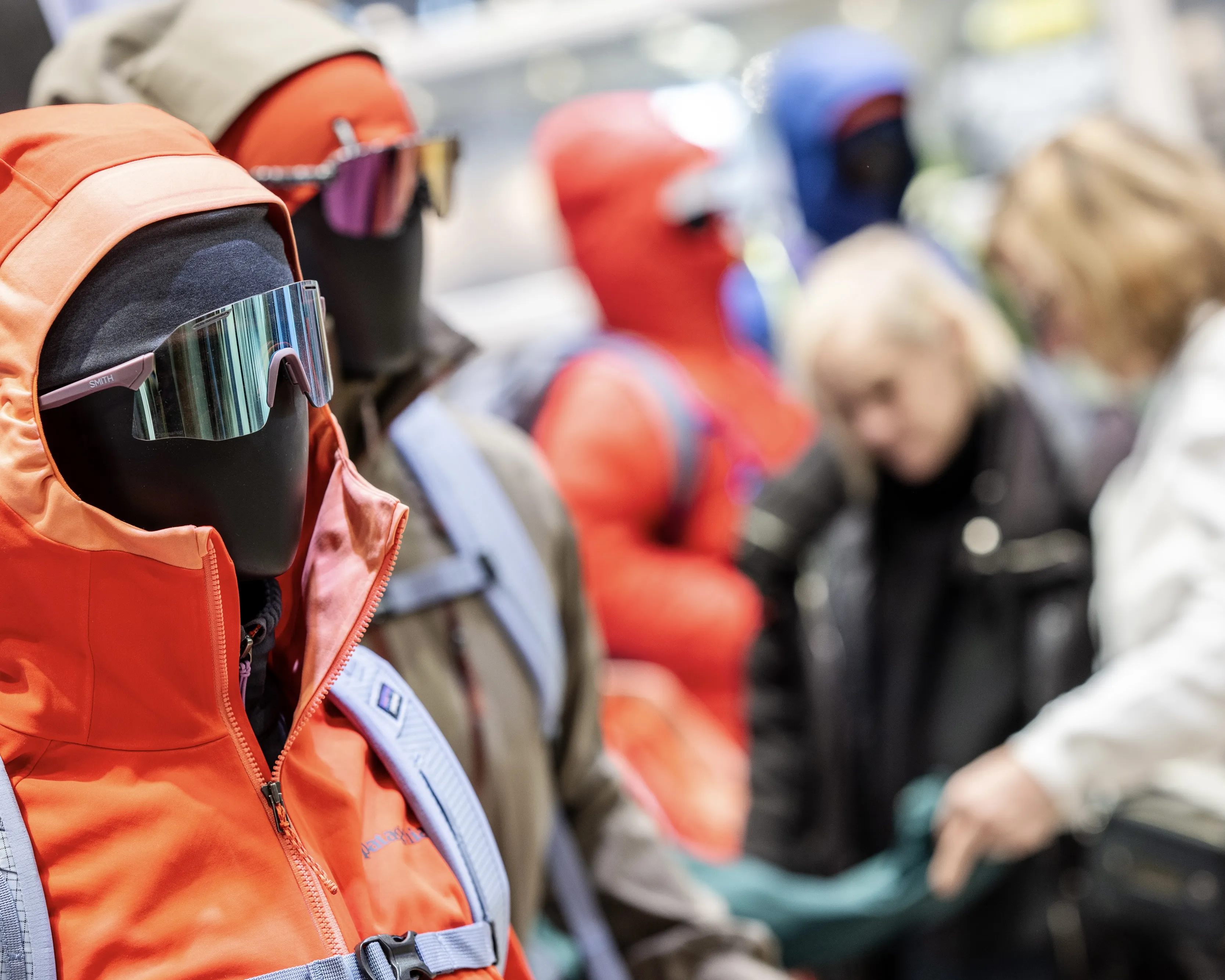
Over 13 billion euros in sales: that's the strength of the German sporting goods market alone. The trend radar shows that outdoor, training and sports style are among the most important segments. At the same time, the pressure is increasing, as inflation, a shortage of skilled workers, geopolitical uncertainties and climate risks are changing the rules of the game. The new white paper Future Playbook Sports Retail, which ISPO has developed together with BBE Handelsberatung, offers orientation in this dynamic environment.
You can find more exciting trends, concepts and innovations relating to retail at ISPO 2025 from 30 NOV. - 02. DEC. in Munich.
The Future Playbook Sports Retail Whitepaper is exclusively available to members of the ISPO Retail Club. The ISPO Retail Club is part of the Retail Initiative 2025 with which ISPO is putting the focus on retail. The aim is to provide orientation, impart knowledge, build networks and open up concrete business opportunities. The initiative is based on four pillars: key account management, knowledge transfer, promotion of young talent and the ISPO Retail Club. With the Retail Club, ISPO aims to provide retailers with a platform not only during the three days of the trade fair from 30 NOV. - 02. DEC., but throughout the year.
The white paper impressively shows how market structures are shifting: Around half of the entire sports market is still driven by specialist retailers - both brick-and-mortar and digital. The largest sales channel is traditional sports and outdoor specialty stores with a 26.4% market share, closely followed by online platforms such as Amazon with 13.3%. This raises the key question for retailers: why do customers buy here? The answer lies in clear positioning, service quality and experience character.
The trend radar makes it clear that pure product logic is no longer enough. "Sport is more than just a product. It is a lifestyle, an identity and increasingly also an attitude (sustainability, purpose). Retailers and brands that serve these dimensions create relevance and differentiation." If you want to survive, you have to rethink processes and exploit digital potential.
At the same time, the white paper is encouraging. It shows: The sports industry is undergoing profound change. Global challenges, new consumer habits and technological innovations are changing the rules of the game. Sports retailers and brands are equally challenged to review and develop their strategies and to boldly break new ground.
The Future Playbook Sports Retail thus provides retailers and brands with practical answers to key questions: How can spaces be designed to be experience-oriented, how can efficiency be ensured through digitalization and KPI management, and how can succession, expansion and new revenue models be successfully implemented?
The Future Playbook Sports Retail is available exclusively to members of the Retail Club. Those who become part of the community gain access to knowledge, exchange and impulses and actively shape the sports retail of tomorrow.

Which products and categories are currently selling well in the sports and outdoor market? What trends are retailers focusing on for spring and summer of 2026? The new spring/summer 2026 order process is in full swing. We spoke with representatives from industry leaders Sport2000, Intersport, Bergfreunde, and Bergzeit about their upcoming trends.
As the international flagship event of the global sports industry, ISPO offers orientation and provides insights into the latest trends. The free ISPO Retail Club 2025 enables retailers to network with industry experts and offers year-round access to exclusive market insights for your competitive advantage. Discover the latest trends live on site - from 30 NOV. - 02. DEC. in Munich.
With the help of the free Retail Club at ISPO 2025, you will receive exclusive market insights and relevant industry data all year round. The Retail Club also offers access to top retailers, curated matchmaking and valuable business connections.
Several current developments suggest that multifunctional and versatile products align with the times. As weather becomes increasingly unpredictable and consumer behavior changes, investing in flexible product ranges that remain relevant for a longer period of time makes sense. Additionally, many consumers have become more conscious, critically questioning consumption. Many people pay attention to whether they can use products in a variety of ways or if they will mainly sit in a closet unused. Additionally, today's sports enthusiasts often participate in multiple sports, such as running and cycling, and don't want to buy a different outfit for each one. The same is true for newcomers to sports who want to try out different sports to see which one suits them best.
Then subscribe to our free newsletter now and receive exclusive insights for your competitive advantage.
Running has been one of the top performers in sports retail for years. Excellent quarterly figures from brands such as Asics, Hoka, and Merrell speak for themselves. Above all, however, running has become a lifestyle. It is the new streetwear, and the segment is currently tapping into a new target group: young, style-conscious, and often urban. Running clubs are popping up everywhere. Collaborations such as Patta x Nike and Merrell x Janji, as well as new brands like 4T2 from the Netherlands and Bandit from the US, are revitalizing the market.
Since the pandemic, van life and camping have experienced a real upswing, fueled by the search for authenticity and sustainability, the desire for inexpensive travel, and the opportunity for a digital detox. Additionally, mobile travel combines the freedom and thirst for adventure with the opportunity to spend extended periods of time in nature. This flexible and often more affordable vacation option appeals to younger generations, whose experiences are shared on social media. Influencers around the world share their experiences in nature, ranging from minimalist camping far from civilization to luxury camping with elaborate staging.
This has led to a growing demand for fashionable, lifestyle-oriented outdoor clothing. The distinction between everyday clothing and functional outdoor clothing is becoming increasingly blurred.
While public interest in sustainability seems to be waning, this does not mean that the issue is becoming less important. On the contrary, many companies are becoming increasingly efficient and routine in pursuing their sustainability goals. The transformation is in full swing, especially in the outdoor industry, which has been a pioneer in this area for years.
Functionality is the foundation of the sports and outdoor industry. This is why the industry and retailers view the changing climate around the world as both a challenge and an issue to address. Clothing that can adapt to changing weather conditions while providing more protection and comfort is becoming increasingly important. UV protection, cooling, and temperature-regulating high-tech fabrics are becoming increasingly important in summer collections. These fabrics are not only used in sports and outdoor clothing but also in the lifestyle sector.
The more digital, urban, and sedentary life becomes, the stronger the desire for physical and mental balance. Sports have always brought people together. In the past, this happened in traditional clubs, but today, it's happening more and more in informal running and biking clubs or community-oriented sports, such as bouldering. Many brands are also recognizing the potential of building communities whose members can meet in the brand's stores to train together, reach the next level of fitness, or simply have a good time.
The order trends for spring-summer 2026 show that multifunctionality and sustainability are becoming increasingly important in sports and outdoor retail. Products such as trail running and padel equipment as well as outdoor items for micro-adventures are becoming increasingly popular, while the focus on lightweight materials and UV protection is also growing. These developments offer companies new starting points for adapting their product range and addressing current consumer needs.
ISPO 2025 offers orientation in this regard: As an international flagship, ISPO provides in-depth insights into the latest trends. The free ISPO Retail Club 2025 gives retailers the opportunity to network with industry experts and gain access to exclusive market insights all year round. In addition, members benefit from a VIP treatment, including a free ticket and access to the exclusive Retail Club Lounge. Register now for the Retail Club and discover the latest trends live on site. From 30. NOV. - 02. DEC. in Munich.
Then subscribe to our free newsletter now and receive exclusive insights for your competitive advantage.
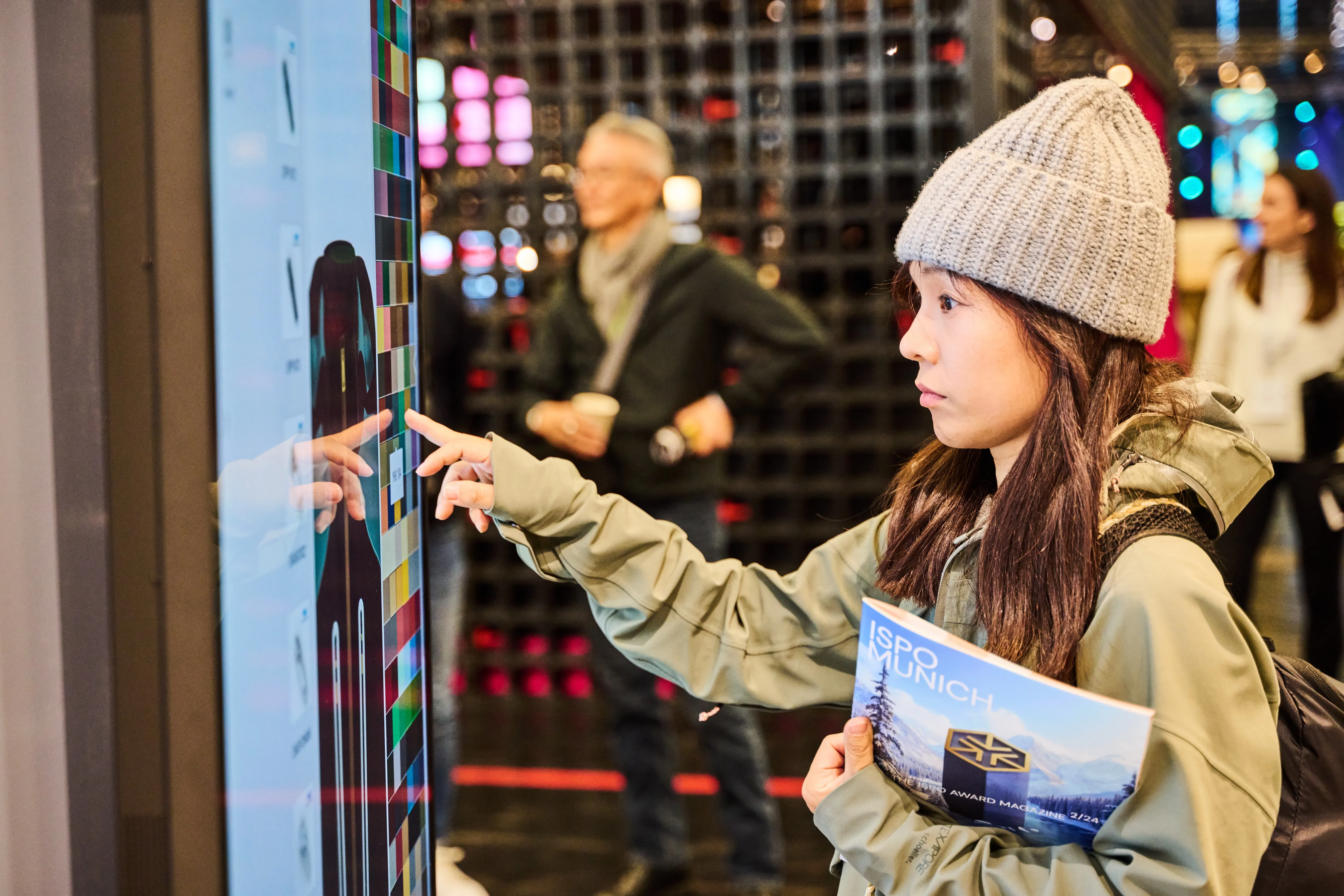
Digitalization in retail has reached a new level with the use of artificial intelligence (AI) - and at an enormous pace. For sports retailers, this presents great opportunities, but also challenges, especially in online retail. Rico Adler from the e-commerce platform Scayle explains the opportunities and risks.
You can find out more about the networking of sport and tech at ISPO 2025. As the international flagship event of the global sports industry, ISPO offers a platform for in-depth discussions. In the Digitize & Retail Hub and the Brandnew Village, you will receive practical insights directly from industry experts about technical innovations that will strengthen your company. From 30. NOV. - 02. DEC. in Munich.
says Rico Adler, Director Solution Consulting at Scayle, a provider of store software whose commerce platform is used by major international online retailers such as About You, Harrods, Deichmann, Odlo, Manchester United and FC Bayern for their digital business. Adler specializes in innovative technologies to improve scalability, customer experience and process automation and advises numerous companies on the implementation of their AI strategy.
Here, he explains which options make sense for sports retailers and which pitfalls need to be considered. Because one thing is clear: the areas of application are diverse. From personalized recommendations and automated customer service to dynamic pricing. However, not every innovation automatically generates trust among customers - and not every solution is suitable for every business model. You should take a closer look at these eight AI applications:
One last important point remains: data protection. AI processes large amounts of customer data, because only then can it really make the most of its advantages. However, this increases the risk of violating data protection laws. Adler advises:
It is important to be aware of the tools used and the underlying foundation models. Sensitive data should not be carelessly transferred to AI systems whose data processing and model behavior are difficult to control.
He therefore recommends open source models whose hosting and access are completely in your own hands. And what about hacker attacks? The expert says:
Of course, hackers can also manipulate AI systems to gain access to sensitive data, but AI can also be used to detect and fend off cyber attacks at an early stage.
At ISPO 2025, you can find out how AI can be integrated into existing corporate strategies, what opportunities it opens up and what needs to be considered. As the international flagship event of the global sports industry, ISPO offers a platform for practice-oriented discussions with industry experts. Here you will gain valuable insights into technical innovations that will strengthen your company. Whether in the Digitize & Retail Hub or the Brandnew Village - this is where innovators, start-ups and established brands come together to drive forward pioneering ideas. Be there - from 30. NOV. - 02. DEC. in Munich.