


From USD 27.155 trillion in 2022 to USD 40.735 trillion by 2030, the projected growth of retail is massive. As a retailer, you undoubtedly see limitless opportunities. But this growth is accompanied by a renaissance that is set to transform the retail landscape. And only the businesses that imbibe the elements of this transition will survive and thrive. The rules of the game are being rewritten, especially in the sports apparel and accessories retail sector. What are these new trends that are dictating success in retail and how can you leverage these to stay ahead?
The Shifting Retail Paradigm
5 Elements of the Retail Renaissance
The Emergence of the Retail Ecosystem
The retail scenario is marked by significant changes that pose a challenge to retailers. The fast-shifting consumer preferences, influx of technology and data, and stringent government regulations are all setting the stage for retail to evolve and adapt quickly.
Traditional approaches and strategies are no longer effective and need to pave the way for innovation that spans across the entire product life cycle. This “retail renaissance” requires brands to embrace forward-thinking policies that align with consumer motivation and leverage technology to stay ahead of the competition.
Broadly speaking, five emerging trends can be identified in the changing retail landscape. Each of these is interrelated and functions in synergy in this transformative era of retail.
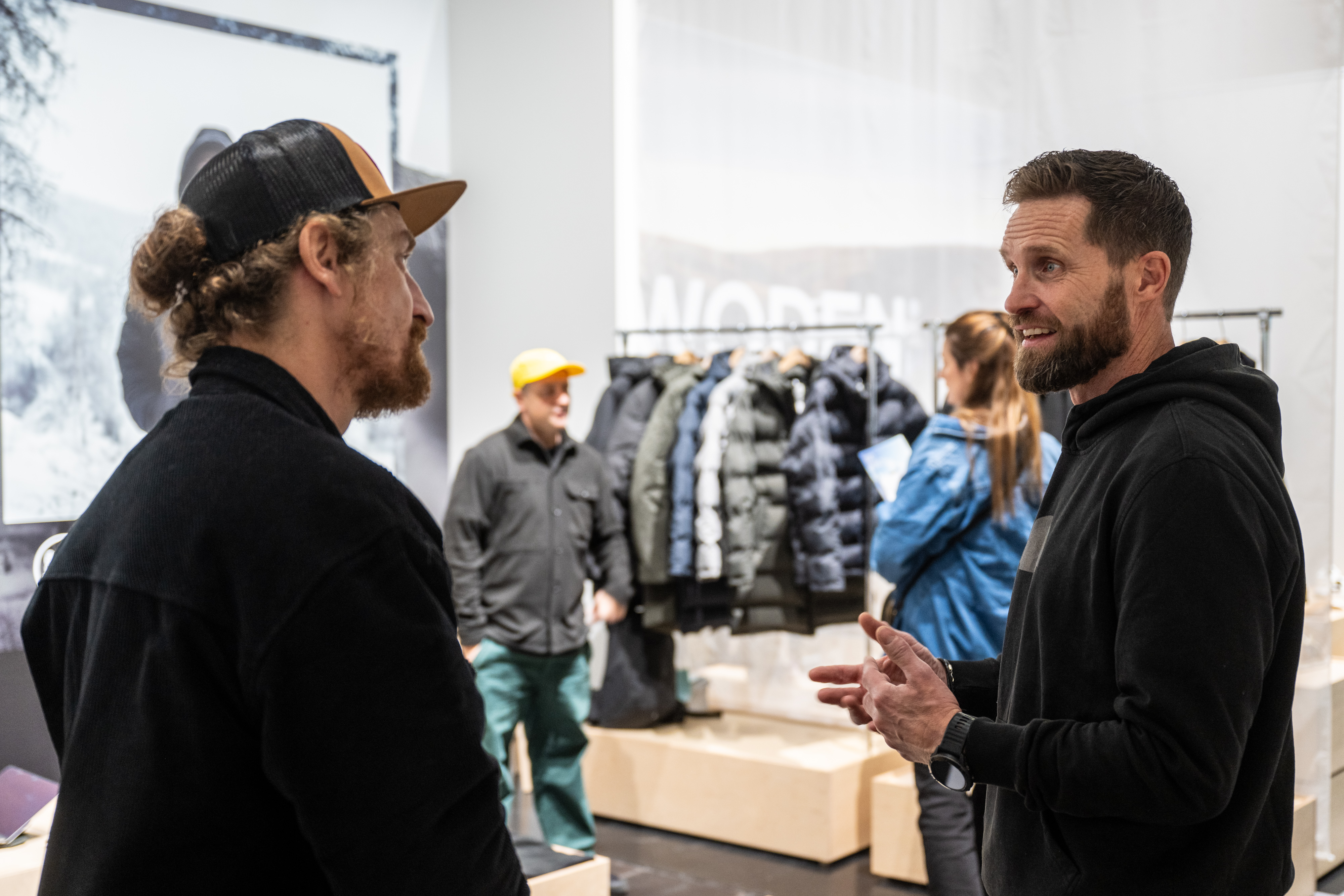
Extended reality, live community consultation, digital wallet passes, digital signage, local marketplaces and omni-seller marketplaces - these are all pioneering technologies and retail trends that will revolutionize the retail of the future. Find out how you can work to evolve your retail business. The fusion of online and offline retail is particularly exciting here and is at the heart of many new solutions. This opens up new opportunities and experiences that take shopping to a whole new level. Be ready for the future of retail!
As the international flagship event of the global sports industry, ISPO 2025 offers valuable guidance. Join the Retail Club and receive exclusive market insights from the top 500 retailers worldwide, along with in-depth market analysis. Additionally, benefit from a free retail ticket and VIP treatment, including meals. Be there – from 30 NOV. - 02 DEC. in Munich.
There are customers who are so familiar with individual product categories or brands that they could also use their knowledge to advise other customers. Such advice would even be particularly credible: "88% of consumers trust recommendations from other customers rather than marketing statements," says Jutta Stienen, Head of Marketing at Guuru Solutions, quoting a study by the market research company Nielsen. Guuru therefore looked for a way for brands to use the knowledge and enthusiasm of their own community for product advice in the online store.
Guuru has developed an AI-based chat tool that is integrated into online stores and allows customers to chat in real time with product advisors from the community (known as Guurus). Jutta Stienen explains how the tool works:
Stephan Buschmann, Director Customer Service B2C & B2B at Jack Wolfskin, has been using the tool in his online store for around a year and is adding to it:
For Buschmann, the tool is an ideal addition to existing measures:
The digital technologies virtual reality (VR) and augmented reality (AR) have long been predicted to revolutionize retail in the coming years. While VR involves moving around in closed environments into which you are immersed using VR glasses, AR enriches the real environment with additional information. This is mainly done via the displays of smartphones, which are now all AR-capable. Expensive hardware is therefore no longer necessary, which means that the technology has overcome an important entry hurdle.
The Viennese company Svarmony Technology is one of the pioneers of these future technologies and has been working in this field for ten years, including for Porsche, Siemens, Mediamarkt and the German Museum.
The possibilities of VR and AR are wide-ranging. Carsten Szameitat, Chief Revenue Officer at Svarmony, explains some of the areas of application:
AR for retailers and manufacturers:
The topic of navigation is also far from exhausted. While head-up displays are already being used successfully in cars, they could still have great potential in sport. "It would be great if your ski goggles could display the route you want to take while you're skiing," says Szameitat.
Many companies invest in apps, loyalty cards and vouchers made of plastic or paper to communicate with their customers and increase customer loyalty. However, these systems have significant disadvantages:
Passcreator by Fobi has been active in the field of customer loyalty for over twelve years and works with a wide range of companies in more than 40 markets - including beach cafés, insurance companies, fashion brands and even ticket sales for the Oscars.
With digital membership cards that can be stored in Apple or Google Wallet at the click of a button, Passcreator offers new possibilities for online-to-offline tracking. Alexander Hell, Head of Business Development & Strategy at Passcreator, explains the advantages:
Other possible applications:
Example Scotch & Soda: The Dutch fashion chain switched completely from paper cards to digital wallet passes and was able to increase the proportion of trackable purchases in stationary retail from 7-8% to 40%.
Gift cards and vouchers:
Although many people still prefer to store in-store rather than online, the reality is often different. It is often simply more convenient to store online and have the products sent to your home than to look for a retailer in town.
However, the growing market share of online retail is having a serious impact on the attractiveness of our city centers. Oliver Bock, Managing Director of local marketplace operator Findeling, wants to help bricks-and-mortar retailers to be found by customers. "Findeling offers the opportunity to make all retailers in a city visible in one app," says Oliver Bock.
To be able to use Findeling, stores have to register in the app and can advertise their business, individual products or brands there. In turn, customers can use the app to find out which retailers are in their neighborhood. They can subscribe to newsletters from their favorite stores and are informed directly when there are special offers. Online purchases are also possible.
Findeling's current reach:
In the next step, Findeling wants to support retailers with local support teams so that they can present themselves optimally on the platform and develop further, for example by offering live shopping formats. "If we understand that the individual retailer is not alone, we can create real added value. We can only do this together," Bock is convinced.
Many brick-and-mortar retailers invest a lot of time and money in their online store, but still make most of their sales in-store. The technology company Remira has developed a digital signage solution for the multi-brand chain store Pier 14 so that the stores can also benefit from the detailed product descriptions, high-quality product images and ultimately the entire online range. Pier 14 operates 15 multi-brand and franchise stores along the Baltic coast, with a focus on fashion and sports ranges.
"Pier 14 has its own online store, its own photo studio and prepares the product data very well. But this information is only used by five percent of customers," says Leander Juschkewitsch, Senior Consultant Business Development at Remira. In order to make this valuable information accessible to all customers and also available to sales staff, screens were installed in the stores that present products and mood images in a continuous loop, which the retailer has previously defined and which are automatically adjusted in real time depending on the weather. In addition, all products in the range have been equipped with RFID technology. When customers approach a screen with a product, the products are recognized and the corresponding information is displayed. The screen can also be used to request advice in the store or purchase the product. The checkout process then runs via the online store and the goods can be sent home if desired.
Advantages for the retailer:
With the idea of the omni-seller marketplace, the company Locally wants to usher in a new era in retail. Currently, the distribution channels between wholesalers and direct-to-consumer (DTC) businesses are usually strictly separated, which has led to brands and retailers becoming competitors. This can lead to conflicts. What if brands and retailers were partners in the mission to meet customers exactly where they are - online, in-store or both at the same time? Mike Massey, CEO of Locally, explains:
Brands are to become a universal retail hub where all product information comes together. This also includes the product ranges of stationary retailers and online platforms, the availability of which is displayed in real time. This allows customers to decide for themselves whether they want to make a quick trip to the store and take a look at the product or order it online. Even if certain sizes or colors are no longer available online, there may still be retailers who have the product they are looking for in stock. "Brands do not refer to retailers in their DTC channels who still have a product in stock if a size they are looking for is already sold out in the web store. They don't want to weaken their own DTC channel at any cost and accept that customers will go to Google or Amazon," says Eoin Comerford, Head of Outsize Consulting and ex-CEO of Moosejaw.
Eoin Comerford's solution:
Locally stands for a completely channel-independent approach, for collaboration instead of competition. "Instead of omni-channel and multi-channel, we are going back to one-channel: To the onmi-seller market place."
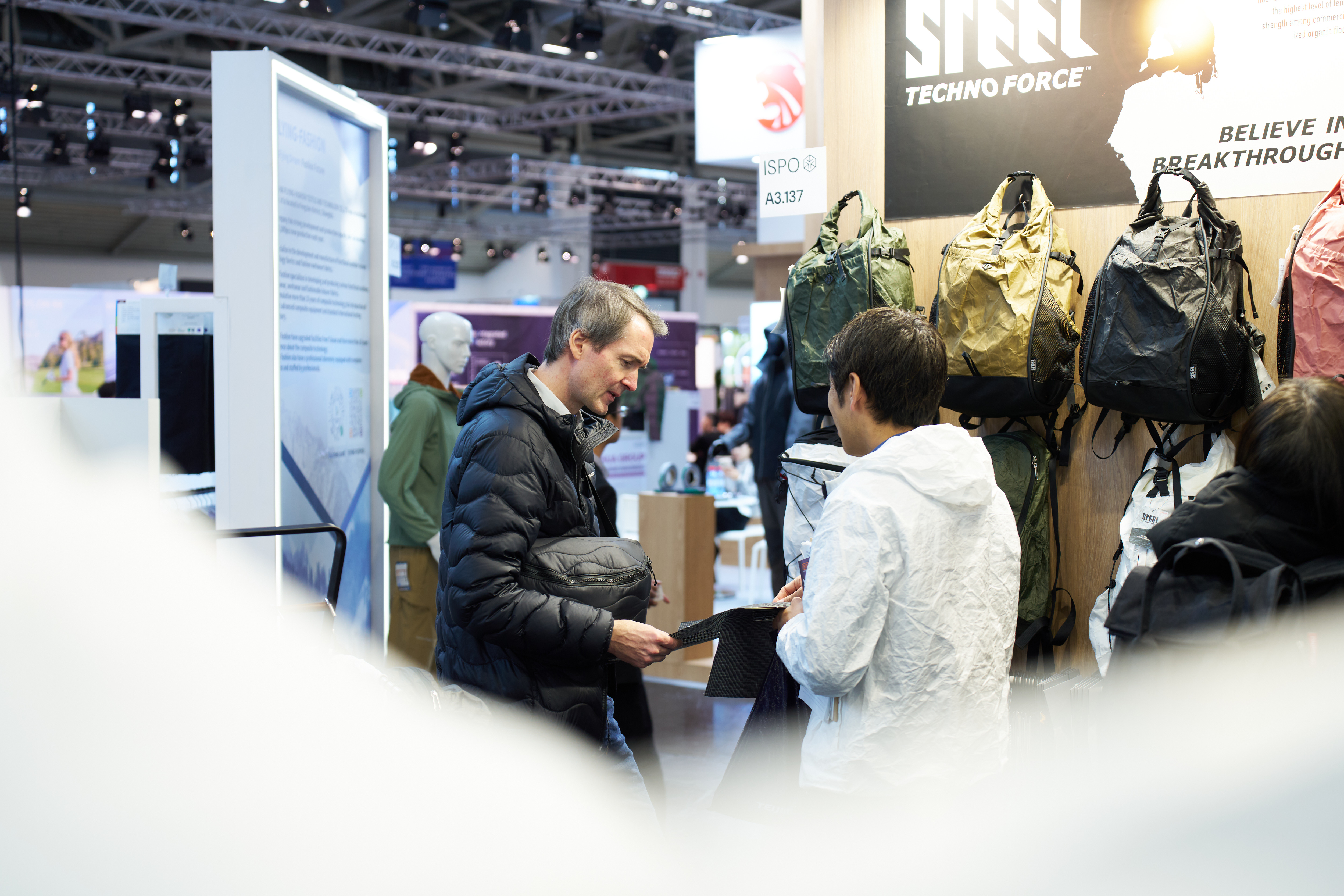
The world of retail is changing rapidly, driven by cutting-edge technology and changing consumer shopping behavior. From product testing with augmented reality to weather-driven smart displays, the lines between online and offline are blurring, creating a seamless omnichannel journey. For you as a retailer, it's no longer just about selling products - it's about creating shopping experiences that inspire and excite.
Industry experts shared new insights at ISPO Munich, such as innovative tools and technologies that help retailers succeed in the rapidly evolving market. These don't just improve the shopping experience - they redefine it.
Here are five pioneering technologies and tools that are transforming retail and improving the shopping experience improve the shopping experience:
The technologies described show how you as a retailer can transform your business with the help of AI and digital innovations. Here are the most important lessons that you can implement immediately:
Focus on your customers: Tools such as augmented reality and digital signage allow you to offer your customers personalized and interactive experiences. Display product information, certificates of origin or USPs directly in the store and stand out.
Together instead of alone: platforms like Findeling prove that you can become digitally visible by cooperating with other small retailers. You can achieve more together than alone.
Use automation for efficiency: With weather-controlled displays or RFID tags, you can dynamically adapt your offer, encourage impulse purchases and optimize processes in your store at the same time.
Focus on digital loyalty: Digital wallet passes are the modern way to retain your customers. You can personalize them, send push notifications and reactivate inactive customers.
Start small, think big: Many of the technologies presented, such as AR product tests or digital signage, are scalable. You can introduce them gradually and adapt them to your individual needs.
Now is the right time to get to grips with AI and digital tools. Not only will you improve the shopping experience for your customers, but you will also secure your market position and future-proof your business.

Gone are the days when the mainstay of sports retail was the sporting goods and apparel segment. There is a visible shift in its composition as it acquires a more holistic dimension with the inclusion of physical and mental health. The “sports health market,” which integrates fitness, wellness, nutrition, and rejuvenation, is emerging across the globe. The new episode of the “Sport + Outdoor Mentors” podcast explores the transformations and trends shaping sports retail, featuring insights from Tobias Gröber, Executive Director Business Unit Consumer Goods of Messe München, who emphasizes ISPO’s role in “connecting people and creating valuable relationships” beyond traditional trade shows. As Gröber puts it, “ISPO is not just a job; it’s a way of life,” reflecting the deep-rooted passion that drives the sports industry forward.
A significant shift is underway as the sports health market gains traction worldwide, driven by growing awareness of the benefits of physical activity and mental well-being. Governments and organizations are beginning to recognize the role that physical activity plays in societal health, but the advocacy work is ongoing.
The interconnectedness between physical activity, overall health, and well-being is gradually forming an important part of sports retail as well. Retailers are focusing on creating a narrative that ties the use of sporting goods with the importance of exercising for good health. Brands like Nike are already making a foray into the sports health market through wearable technology and health monitoring apps.
Tobi Gröber highlights that to sustain retail in the sporting goods sector, companies must engage with consumers in promoting health through sport. This focus on activity is crucial, as lower participation rates could reduce market demand. Retailers are increasingly encouraged to connect the importance of exercise with the products they sell, inspiring a narrative that values health alongside innovation.
ISPO has been at the forefront of pushing initiatives that encourage outdoor activity and creating a global ecosystem of sports. As the organizer of popular sports trade shows Tobias puts it, “ISPO positions itself as a connector, facilitating valuable industry connections rather than merely selling exhibition space”. In line with industry shifts, ISPO has adjusted its event formats, separating Outdoor to focus more directly on brands and product, while the broader ISPO show now caters to the full sports market, including the rising sports health sector. This approach reflects ISPO’s role in supporting the industry’s transformation as companies adapt to rapid changes. Rather than focusing on transactions alone, ISPO prioritizes fostering connections across communities and sectors, helping brands and retailers address complexities, from AI to supply chain and sustainability challenges.
“It’s crucial for the industry to unite. As the CEO of Cambridge University suggested, cooperation and collaboration are essential, especially since sports and outdoor sectors face strong external competition for consumer spending.” ~Tobias Gröber
Besides physical events, ISPO is also exploring emerging markets and the digitalization of exhibitions. Markets like Saudi Arabia and India hold immense potential for the sporting sector. By tapping into these regions, ISPO aims to support the development of the sports market by introducing relevant topics and providing expert insights from its network. In regions like Saudi Arabia, where government support for sports initiatives is strong, ISPO's presence can help drive a shift toward more active lifestyles, aligning with its mission to make sports and health accessible globally and foster a culture of physical activity.
Owing to the metamorphosis in the sports retail industry several challenges as well as opportunities have arisen. Notable among these are:
1. Sustainability – As climate change concerns grow, retailers are facing the pressure from both consumers and governments to adopt green practices. Government-led initiatives like the Green Deal and problem of Scope 3 emissions means that a transformation of the supply chain is imperative to address the concerns of ethical sourcing and labour. Major sports brands are already making the move towards a circular economy to reduce the impact of sporting goods on the planet.
2. Supply Chain Complexities – Fast changing trends, global networks, and need for sustainability require current supply chains to be agile and transparent. This necessitates a quick revaluation and redesign of the entire supply chain model to adapt to the market’s needs.
3. Global Inactivity – Tobi emphasizes that the sports industry has a societal role to play beyond product sales, particularly in addressing global inactivity. While companies focus on innovation, it is the messaging that also needs to keep up. According to Tobias, the scenario requires retailers to act as “wellness advisors” rather than mere sellers of goods. This will not only unlock broader growth but also emphasise the industry’s role in promoting physical activity.
1. Collaboration – “The main competition is outside of the sector,” Gröber notes. Building collaborations and cross-connections can have a two-fold benefit for the sporting goods sector. Interacting with other disciplines expedites problem-solving and reduces complexities. It also enables a smooth flow of communication within the organisation and enhances transparency. Cross-connections are also an excellent means of learning best practices from other sectors for further growth and improvement.
2. Emerging Markets – New markets such as Saudi Arabia, India, and especially China present tremendous growth opportunities. Tobi notes that ISPO’s two-decade presence in China has offered invaluable insights into the future of retail and technology. China is already pioneering new sales models and tech-driven solutions that could soon influence Western markets, making it a valuable blueprint for expansion and innovation.
3. Potential for Societal Change – Besides being a catalyst for change to improve physical and mental health, sports can also help correct other societal ills. The issues of inclusivity, gender equality etc., can also be addressed using sports as a medium. This type of impactful storytelling can integrate sports with global agendas that are socially beneficial and usher in positive change.
As the sports industry’s role expands, it will address not only physical health but also issues like sustainability, climate change, and social inclusion. Tobi envisions a future where AI and technology transform the industry by supporting companies in navigating complex challenges, from supply chains to consumer engagement. “The future is bright,” he affirms, “as long as we look at the big opportunities and tackle the challenges.” He believes that as sports and health increasingly converge, a global culture of wellness will emerge, promoting a holistic approach to well-being that transcends traditional retail boundaries.

Imagine walking into a store, trying on the latest pair of basketball shoes, inspecting their fit and comfort – without ever touching them.
Now, imagine doing all of that from your living room. This is not science fiction. It is indeed the future of retail that is driven by augmented reality or AR technology.
The game is changing for B2B sports retailers worldwide, staying on the sidelines is no longer an option. As technologies like AR continue to disrupt traditional shopping experiences, companies that do not use them could quickly be left behind by their competitors.
But how exactly is AR transforming the sports retail industry? As a B2B sports retailer, what steps would ensure that you’re still in the game?
Since its inception, the sporting goods retail market has been extremely dynamic. However, the introduction of disruptive technologies like augmented reality is taking it to new heights. Retailers are now able to offer immersive, interactive experiences that were previously unimaginable. AR isn’t just improving the shopping experience, it’s reshaping the entire domain and practices.
Checking current market trends, augmented reality in retail is growing at a staggering pace. A Fingent report projects that by the end of 2024, the number of mobile AR users will catapult to 1.73 billion globally.
Sports retailers are leading the charge as customers increasingly demand more personalized and interactive shopping experiences. With augmented reality shopping, consumers can try out gear and see how it fits or functions before making a purchase, all through digital means. From product configurators, virtual try-ons, webAR, and virtual fitting rooms to other AR shopping experiences, these offerings lead to about 200% increase in sales for retailers.
40% of sports retail consumers would prefer retailers that offer augmented reality shopping experiences compared to those that don’t. Thus, the expectations for B2B sports retailers are rising, and those who don't adapt could soon be left behind.
Using AR can benefit B2B companies in the sports industry. As highlighted by a Bridgewater Studio blog, AR improves customer engagement by allowing customers to interact with products in real-time, creating a richer and more dynamic shopping experience.
The ability to offer personalized recommendations and virtual try-ons reduces the chances of returns and increases customer satisfaction, ultimately leading to higher conversion rates. Leading brands like Nike and Adidas have incorporated AR technology into their mobile apps, allowing customers to try on sneakers and apparel virtually. This innovation streamlines the shopping process and reduces uncertainty around sizing and fit, which often accompanies online shopping.
Sports brands are offering branded AR experiences to sports fans who can shop for their desired products. Additionally, stadium visitors can try their favorite team merchandise and even leverage AR tools to attend events. These brands will most likely build stronger relationships with their clients, providing them with innovative tools to make faster and more personalized purchasing decisions.
For B2B sports retailers, offering virtual try-ons can help streamline the shopping process for customers, reducing the uncertainty around sizing and fit that often accompanies online shopping.
Customization is another key area where AR shines. This level of customization is unmatched in traditional methods.
AR technology allows customers to view and personalize sports equipment in 3D, tailoring the product to their exact preferences. This technology not only boosts customer satisfaction through personalization, but also provides B2B retailers with a competitive advantage by offering simplified virtual launches rather than manufacturing an entire product line and ensuring unparalleled cost savings.
AR can also enhance the in-store experience for B2B sports companies. By using smartphones, customers can navigate stores easily and access additional product information in real-time. Augmented reality shopping has also improved warehouse space optimization multifold.
Blending online and in-store experiences, AR-powered store navigation helps customers to find what they’re looking for faster, improving the shopping experience and operational efficiency.
AR offers more than just a new way to sell products. Augmented reality shopping has the potential to revolutionize the entire customer experience for B2B companies and create advocates from their customer pool like never before.
Imagine presenting a new line of sports equipment to a potential client, but instead of merely showing pictures or videos, you use AR to let them virtually hold, examine, and even test the product. As reported in ScienceDirect, AR allows for unmatched benefits like improved product demonstrations and sales representations, enabling B2B companies to offer more engaging and persuasive sales presentations.
AR also has applications behind the scenes. According to the same study, using AR for inventory management allows employees to quickly locate items in a warehouse and speed up order fulfillment. This makes operations more efficient, reducing costs and delivery times, which are crucial factors for B2B sports companies. B2B companies can also optimize their stock control and promise more streamlined and better order processing.
In this increasingly remote world, AR is becoming an invaluable tool for B2B collaboration. AR-powered virtual showrooms allow companies for real-time product exhibits, irrespective of their locations. Clients can explore these virtual environments and collaborate with sales teams, making AR a critical tool for expanding your market beyond physical borders. AR and VR experiences combined with AI are fueling the brands of the future.
Even for B2B sports retailers, the remote collaboration and virtual showrooms would also help in seamless communication among their geographically dispersed teams, allowing in super-fast flow of customer data.
Successful AR integration requires a thoughtful strategy, from choosing the right partners to ensuring smooth platform integration.
Choosing the right technology partner is critical to a successful AR rollout. Duda suggests a partner-first approach. This focuses on a partner’s technical capabilities and compatibility with your existing systems. Additionally, it’s important to evaluate the scalability of their solutions to ensure that your business can grow with the technology.
Seamless integration of AR into existing e-commerce platforms and proper staff training are key to maximizing the technology’s potential. This ensures a unified customer experience and smooth AR-enabled customer service.
While AR can offer significant benefits, measuring its success requires setting clear goals and tracking relevant metrics.
Key metrics, such as customer engagement and conversion rates, should be monitored to evaluate the success of AR initiatives. Using data analytics enables companies to optimize their shopping experiences and increase ROI.
As AR technology evolves, it’s critical for B2B sports companies to stay ahead of emerging trends and capitalize on new opportunities.
According to reports by IoT for All, companies should be preparing for future waves of AR innovation by staying agile and investing in research and development. Those who are proactive in adopting these innovations will be better positioned to lead the next phase of AR’s evolution.
Augmented reality shopping is not just a technological innovation but a revolution for B2B sports retail. By embracing AR, companies can enhance their customer experience, streamline operations, and remain competitive. The companies that invest in AR today will be the ones shaping the future of the sporting goods industry.