

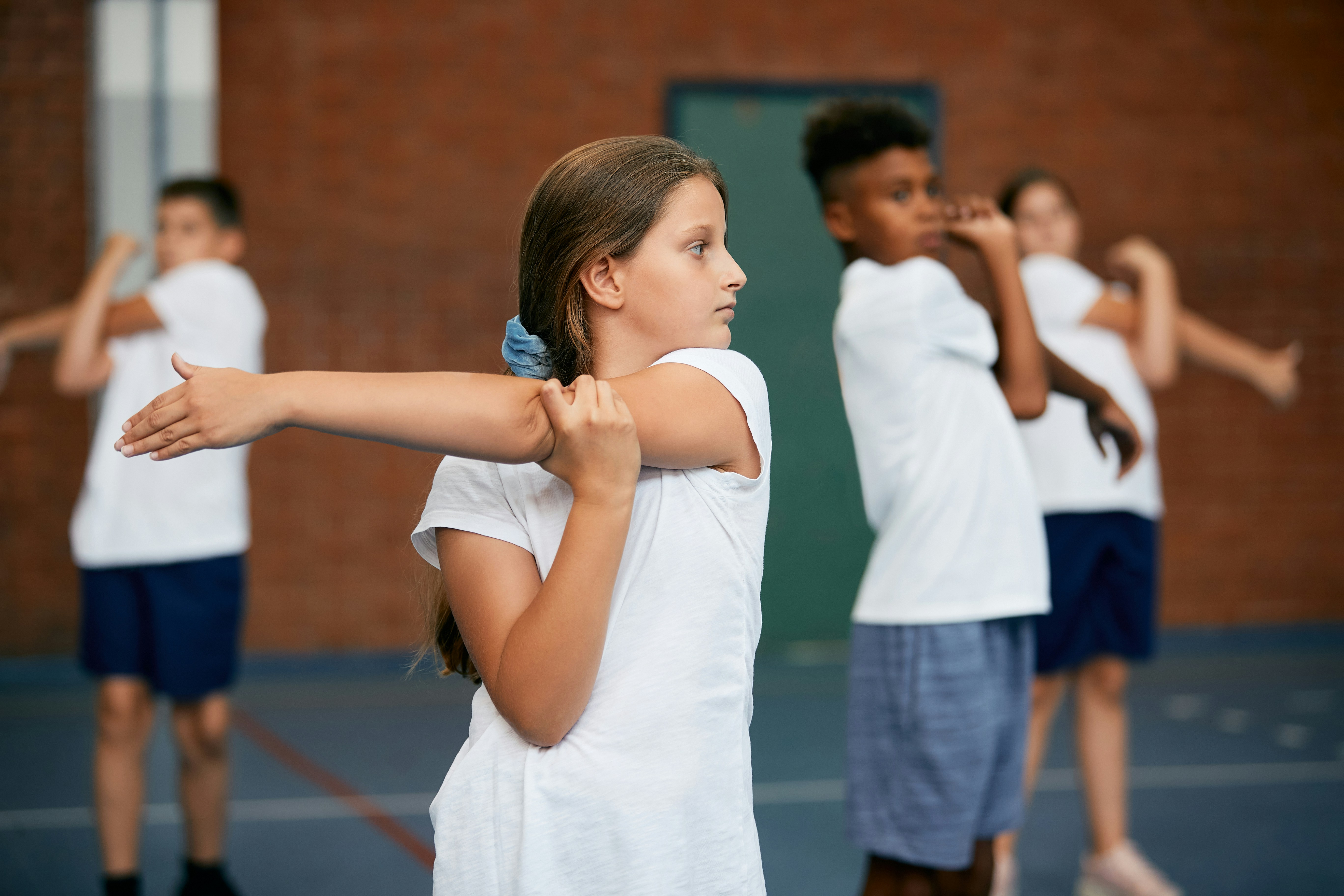
Sport drives health, prevention, mental wellbeing and community. Yet, it often lacks recognition compared to other industries. At the SPORTS BRAND MEDIA conference at ISPO 2024, State Minister for Health Judith Gerlach, Susanne Burger and Jörg Ammon (Bayerischer Landes-Sportverband) discussed the state of physical activity in Bavaria (Germany). Discover strategies to tackle inactivity, covering funding, prevention programs, digital tools, volunteer engagement and even the introduction of a new sports law.
More insights await you at the SPORTS BRAND MEDIA conference at ISPO 2025 where experts show how sport, brands and media can invest in global issues. The conference will take place on 01 and 02 DEC.
Judith Gerlach, Bavarian State Minister for Health, Care and Prevention, was quick to acknowledge a reality as soon as she stepped on stage: sport is often underestimated in politics. Comparing it to the automotive industry, she explained
The automotive industry makes 150 billion in revenue in Germany, but sport still makes 70 billion, and with more than twice the number of employees.
For Gerlach, the issue isn’t that sport lacks economic value but that it rarely gets the same urgency in political decision-making. Part of the reason is perception. She reflected that unlike the car industry which is facing immediate crises, sport isn’t crumbling in the same way. Yet, the absence of a crisis shouldn’t mean the absence of investment.
The economic numbers tell only one part of the story. In terms of health, sport offers one of the best return on investment (ROI). As Gerlach reminded the audience
The WHO says every invested euro saves almost four euros in health costs.
She emphasized that the challenge is making sport investments truly effective. According to Gerlach, success requires a holistic approach with prevention at its core, benefiting both young athletes and an aging population.
For Judith Gerlach, the bigger goal is to move from a cure-based system to one where prevention plays a central role. She pointed out
Our system seems very focused on the curative factor. We will no longer be able to allow that in the long run.
She also stressed the importance of reaching more people of all ages. From children to seniors, before health problems start to kick in. Bavarian already has programs aimed at exactly this. One example is a voucher initiative for over-50s, designed to bring people back into sports clubs for both health and social reasons. Gerlach added
It’s about making sure that as you get older, you stay mobile and active.
The younger generation is also an important focus. Together with the Bayerischer Landes-Sportverband (BLSV), it was discussed why many girls drop out of sports during puberty and looked for ways to make programs more welcoming. The aim was to design programs and environments where young women feel welcomed and engaged.
Jörg Ammon, President at BLSV, agreed that prevention must be seen as a future market for organized sport. He remarked
We have the fittest seniors and the fittest juniors of all time.
Past programs, like school sport vouchers after the pandemic, highlight how well-designed interventions can reintroduce people to regular activity. Gerlach and Ammon emphasized that true progress will be made once prevention is established as a core pillar of public health rather than a secondary add-on.
You want to find out how real health solutions are created?
Then discover how ISPO unites sports brands, manufacturers, technology providers, and researchers to create a space where real solutions for topics suchs as physical inactivity, longevity and corporate health are developed.
One of the most important ideas discussed was the upcoming Bayrisches Sportgesetz (Bavarian Sports Law) which was designed to make physical activity a permanent part of everyday life by linking sport more closely with health, education and community development.
Ammon believes it’s a necessary step. Looking to other countries for inspiration, he cited Finland’s example:
Why is it that in Finland, 80% of 18-year-olds are members of a sports club, while in Bavaria it’s only 40%?
Ammon explained the answer often lies in national laws and policies that make sport a part of everyday life from an early age. The goal of the Bavarian Sports Law is to increase participation across all age groups, improve access to sports in schools and rural areas, and strengthen prevention as a foundation of public health. Therfore it would aim to keep people sporty and active for a lifetime while also including discussions on healthy nutrition and the use of natural spaces for outdoor sports. As Ammann noted
Health has a lot to do with outdoor sports.
Prof. Dr. Susanne Burger, Chairwoman of the Executive Board at BLSV, emphasized that the law should help integrate movement into institutional settings like daycare centers and full-day primary schools. She stressed
It’s very important that in these institutions, the only movement subject actually comes through in the right way.
The law could open better training opportunities for sports educators and coaches. This, in turn, would expand the range of activities available to people of all ages, especially in rural areas where access to varied sports can be limited.
If done right, the Bavarian Sports Law could be a model for combining health, education, and community development into a single, coherent framework.
As the conversation turned to technology, Gerlach admitted that her background as the Minister of Digital Affairs shaped her optimism.
We can completely track each other now,
she said, half-jokingly. Tools like step ounters, sleep trackers, and VR fitness programs can prompt people to move more as long as they don’t replace real-life activity.
She shared how VR games can get people off the sofa who wouldn’t normally go to the gym. She cautioned.
It helps, as long as you’re aware of the need for real movement.
Burger sees digitalization as a huge opportunity for sports clubs. Through the platform "Verein 360", all 11,500 Bavarian clubs are now connected digitally, representing 350 types of sports. This allows clubs to target specific groups more effectively and offers activities tailored for girls who may have different needs and interests than boys.
Burger pointed out that many young people, like her own daughter, don’t actively search online for sports opportunities. Instead, they tend to engage with offers directly on their platforms. Therefore the BLSV has shifted its strategy toward proactively sharing club offers through digital channels.
Gamification adds elements like rewards, progress tracking, and challenges to make activity more engaging. Burger stresses that small, visible achievements can give people the confidence to keep going. Combined with the social pull of exercising with others, digital tools can help turn good intentions into consistent behavior.
One recurring challenge is that girls often drop out of sports during their teenage years. Burger explained that while boys frequently continue in competitive sports, many girls leave around ages 12 to 13 due to physical changes, evolving interests or limited appealing options.
She argued for more competition-free activities such as hip-hop dancing, cheerleading, and climbing. Burger clarified
It’s not that competition is bad but not every girl wants to spend weekends traveling for games.
Gerlach added that access plays a role too. In rural areas, the only club might be a football club, which may not appeal to all girls. She recalled her own experience of discovering volleyball and basketball only after moving to a new school. “To create this access, to create the opportunity… that’s the challenge,” she observed.
Visibility matters as well. Gerlach pointed out
The picture from the outside is still very masculine.
More female role models, from top athletes to local coaches, can inspire young women to try sports they might never have considered otherwise.
Both leaders agreed that offering variety, promoting more female representation, and making programs visible, especially through digital media, will play a crucial role in keeping young women active and connected to sports communities.
Sports clubs rely heavily on volunteers but engaging younger people, particularly women, in leadership roles remains a challenge. Burger explained that club boards are often dominated by older men, highlighting the need to lower entry barriers and create more inclusive opportunities for participation
One initiative is Ehrensache.cloud, a platform that connects clubs with volunteers, offering roles from coaching to event support. Users can create profiles, list their skills and get automatically matched with opportunities. This proactive approach designed to appeal to younger generations, who may not actively seek out volunteer work but will respond to personalized opportunities.
Flexibility is also key. Gerlach urged clubs to rethink traditional meeting times and formats. She asked
Does it always have to be the last back room in the far-fetched restaurant on Friday at 8 p.m.?
She suggested hybrid meetings which could allow members studying or working abroad to stay involved.
Ammon agreed that trust in young leaders is essential. He shared that his own daughter participates in club governance thanks to online meetings which make it possible for her to balance sports, volunteering, and other commitments.
Changing structures to match the lifestyles of today’s youth could be the difference between struggling to fill roles and building a new generation of committed sports leaders.
Want to be the first to find out the latest insights from the sports industry?
Then subscribe to our free newsletter now and always be one step ahead.
Physical inactivity remains a pressing public-health challenge, demanding action that goes far beyond traditional fitness programs. Bavaria’s approach shows that prevention can be strengthened through a mix of inclusive sports policies, a new Sports Law linking health and education, and targeted funding. Digital tools and gamification make movement more engaging, while volunteer platforms and hybrid club structures help bring younger people—especially women—into leadership and coaching roles.
For the sports industry, these trends open significant opportunities: providing technology-driven solutions, supporting community-based initiatives, and shaping programs that reach diverse age groups. By investing in digital innovation, inclusive offerings and volunteer development, brands and sports organizations can not only combat inactivity but also position themselves as key partners in public health and societal well-being.
More insights on global health challenges, sponsorship opportunities, and the future of sport await at the SPORTS BRAND MEDIA conference at ISPO 2025,where international experts show how to link sport, brands and media effectively. The conference will take place on 01 and 02 DEC.
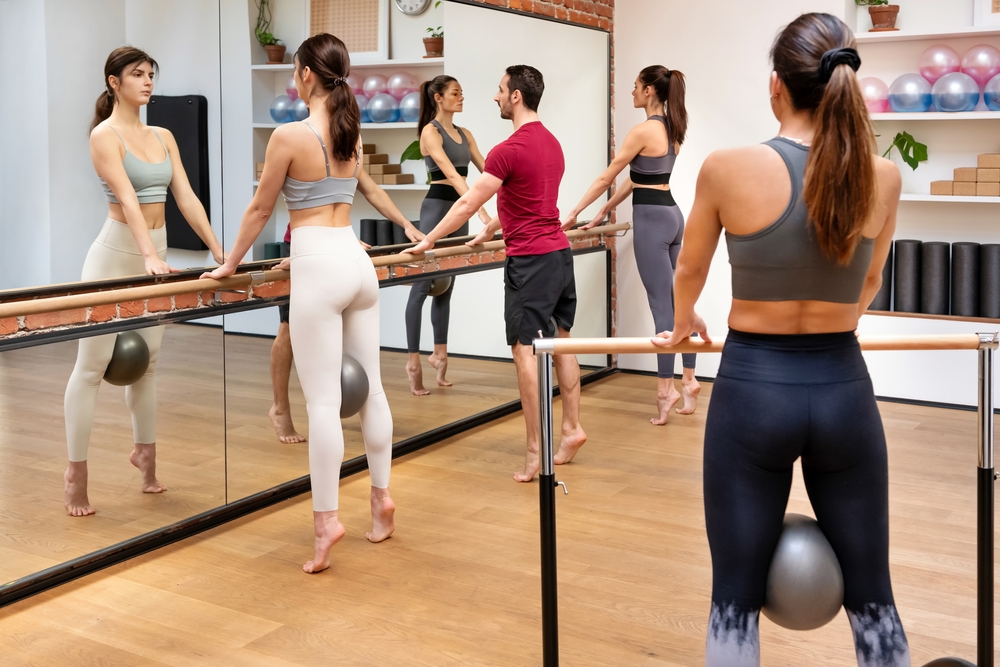
Barre or barre workouts are one of the most popular and unusual fitness trends of recent years - and they've been around since 1959!
The mix of ballet, Pilates and yoga in barre exercise strengthens and tones the body, stretches it and works towards an elegant, confident posture. A workout that demands precision and ambition without falling into a higher, faster, further trap.
ISPO.com takes a closer look at the unusual barre workout and its benefits!
In London in the 1950s, the German-born ballerina Lotte Berk developed a new style of training after an injury, which combined the dedication and high performance of ballet with the gentle movements of yoga. In 1959, she began teaching under the name Barre, based on the name of the ballet barre that was used extensively in her classes.
She not only made sure that the exercises reflected the natural elegance of ballet, but also incorporated movements from physiotherapy that specifically developed the musculoskeletal system.
Her students included some of the world's biggest stars, and the fitness trend slowly spread, especially in the USA. Since 2010, there has been a veritable flood of courses after the movie Black Swan Ballet whetted the appetite of a young, sports-loving audience.
Barre is usually practiced in yoga clothing. Barefoot or in socks with rubber studs for better grip allow the feet to move freely and stand securely. This makes barre unique among workouts that usually ignore the feet instead of including them in the stretches and poses.
For most exercises, you will need a ballet barre or, as an alternative, a chair back. Otherwise, there is a range of suitable equipment such as therabands, light weights or balls from rhythmic gymnastics.
Something very special is the ballet music, which usually plays in the background and is very different from the techno sounds of high-performance training and the calming, swaying sounds of Pilates.
Barre also begins with warm-up exercises, but these are an integral part of the ballet movements. This makes the workout exceptional because, as in ballet, you work your way through a routine set of movements and steps that loosen various joints, engage muscles and increase your concentration.
You complete various exercises and dance steps, each of which trains specific muscles. Your upper body remains calm and relaxed while your lower body does the work. This not only improves your posture, but also your balance!
The fact that the routines are very fixed helps most people to relax. Your mind can concentrate fully on your body awareness and the correct execution of the movements, as your legs and arms already know the sequence. This lowers your stress levels and allows you to slip into a calm, focused state.
You will get to know and love many typical ballet steps in barre, such as pliés, relevés and pas de bourrées. They shape your thighs, calves and glutes in particular and are the elegant, refined form of the classic abs, legs and bums program.
One of the most important aspects of the barre workout is good posture training. During the class, a lot of emphasis is placed on a posture with body tension without tension. This also helps to prevent back or neck problems and helps to develop a sensitive awareness of your own body.
In addition to the barre, other objects can also be used, such as weights, small balls or walls for support. The class always ends with extensive stretching and a cool-down.
A barre workout is surprisingly quick and easy to learn as the exercises are repeated continuously. Many people hesitate at first because they think the ballet aspect is very demanding, but the workout actually involves mainly basic movements as taught in ballet schools at every level.
The undeniable advantage over many other dance-oriented or yoga-inspired workouts lies in the implementation of physiotherapy exercises that emphasize and promote the health aspect. Barre training is therefore also extremely suitable for people with physical complaints of any kind.
Many people particularly appreciate the aesthetic aspect, which shifts the focus away from pure performance. Barre sport doesn't just want to challenge your body and keep it healthy, it also gives you charisma, elegance and self-confidence, which also strengthens your inner self.
Barre also has a positive effect on your mobility and flexibility. All the influences from Pilates, yoga and ballet stretch you and loosen your joints and muscles. This also benefits older people, people with chronic illnesses and obese people!
And although barre is based on fixed routines and movement sequences, it offers plenty of variety and the freedom to create new combinations.
Barre is one of the few workouts that is truly suitable for all ages, fitness levels and physical limitations. This is because the movements can usually be easily modified and therefore individualized, but are always gentle on the joints and muscles and solely determined by your own body weight. This means that there is hardly any risk of injury and very good control if performed properly.
For many people, it is therefore an attractive way to return to sport after an injury or a long period without exercise. It reliably rebuilds the body and fitness and gives you back a strong body feeling.
Pregnant women are also often recommended to switch from other, usually more intensive training programs to Barre. This is because the aspect of balance and reflecting a feeling for one's own body is worth its weight in gold during the major changes that accompany pregnancy. It also puts little strain on the upper body, so exercises are rarely out of the question due to the bulging belly, making pregnant women feel less frustrated by their belly. But as in any case, it is important to talk to a doctor in advance about what limits you should set and what effort is reasonable.
Barre has also become fashionable for those who don't just want to train their muscles but admire the athletic body and self-confident posture of ballet dancers. Barre always trains this, which not only makes you look more elegant, but also reduces the discomfort caused by poor posture in everyday life.
Barre is also an excellent training method for those who attach little importance to the dance aspect and are looking for a program that targets a variety of muscles and burns calories without always aiming for absolute exhaustion. This is because it combines strength, stretching and endurance training in equal measure without appearing overly demanding at first glance.
In the USA, barre is experiencing a boom and has been on the course schedule in more and more fitness studios since 2010. In Germany, it is still largely unknown, but is increasingly being offered as an additional class in ballet schools. This is practical because the local teachers have often been dancers themselves and therefore have a lot of experience both with ballet and with special physiotherapeutic exercises.
There are also a number of online courses available on the internet, which you can use to create your own ballet studio in your living room using the back of a chair!

Jan Küster, founder of Founders Fight Club and project manager of the Corporate Health Hub at ISPO, understands what makes the corporate health sector tick and what it involves. In this interview, the market expert explains the growth opportunities and significance of this growing area in the health market, which also offers points of contact and earning opportunities for the sports industry.
Whether at work, in sport or at home: Mental health is the basis for performance, creativity and human interaction. Expectations of companies are rising: Health, resilience and balance are now at the heart of every corporate strategy. ISPO 2025 is responding to this change with the Health & Wellbeing Area: a place for networking, innovation and practical solutions in the areas of regeneration, resilience and corporate health. Be there - from 30. NOV. - 02. DEZ. in Munich.
ISPO.com: Jan, first of all, can you explain to us what corporate health is and why the topic is so relevant?
Jan: Corporate health helps people to lead a healthier lifestyle and supports them in giving their best. Employers benefit from this, but so do employees: for example, by gaining access to services that may not be covered by the public healthcare system.
We wanted to bring this together with the sports industry at ISPO to bridge the gap to the future of health, sport, wellbeing and sustainability and bring it into the world of corporate benefits and HR. This is indeed corporate health.
Because corporate health isn't just the company doctor who comes in for flu shots. It really is a whole universe. And that also means that the traditional manufacturers of sports and wellness products, be it textiles, be it technical products, be it hardware products, could see corporate health as an excellent sales channel.
Companies like Garmin, for example, offer their devices at a discount or subsidized by the employer as part of corporate health challenges. That's a really smart move. I think a lot of sports companies that are traditionally in this space can work with large and small companies and provide them with expertise in their health ecosystem to make sure they can fulfill their roles in corporate health as well.
In our white paper, we found that the future of retail and sport also lies in technology. Almost 80% of respondents exercise primarily to maintain and improve their health. 76% believe that mental health is just as important as physical health. Why do you think this combination is such a powerful driver of growth?
We've all heard of the "runner's high" too. We know that exercise increases our dopamine and serotonin levels. Many people go to the gym at the weekend or in the evening, not necessarily to win a competition, maybe for health, but also to boost their stress resistance and maybe lower their cortisol levels, just to lead a more balanced lifestyle.
So this overlap makes perfect sense to me. What also gives me hope is that mental health is becoming increasingly destigmatized. It's also an important differentiator between top athletes, who all work with mental coaches. We also know that the COVID pandemic, for example, has at least increased the visibility of mental health problems.
And something else is also very interesting when it comes to health in companies: mental health is so strongly linked to how you feel at work and how much pressure you can withstand. In other words, how resilient the employee is and whether the employee is equipped with a tool to make them resilient. The white paper also states that almost half of employers have made employees redundant due to health problems.
This means that one in two people have resigned due to health problems at work. Two thirds of these resignations could therefore have been prevented by better health programs. That is unimaginable.
Two-thirds. Yet we have a shortage of skilled workers and a war of talent. At the same time, people are quitting because they are worried about their health. Is occupational health care the answer to this question?
I definitely think so. Healthcare systems in general are not necessarily designed to be preventative. So the public health system only kicks in when you are ill.
If we have an employee who has been diagnosed with burnout, it takes an average of eight months between the diagnosis and the first therapy session, during which the person is basically no longer able to do the work entrusted to them. Eight months in which you lose the talent.
It simply makes good business sense to minimize this risk and understand that the public health system will not take care of it, or will do so only after a delay.
Furthermore, companies, especially in Germany, are not necessarily expecting the rosiest of economic times. So resilience, mental health and balance are becoming a very important differentiator for a successful business.
And that's why corporate health is becoming so important. If employees could go to someone who says: Yes, we really take this seriously. We want you to be as good as you can be.
And I think that's the reason why people then change jobs, to maybe get a gym membership, to maybe get access to health apps that don't just cover the young and healthy either. It could be sleep coaching, it could be nutrition coaching. All of this is what top talent expects from their employer. This trend is only going to increase.
According to the white paper, almost 53 percent of consumers want sports stores to become true health centers that offer advice, services and products. In other words, they want the sports retailer to become the place to go when it comes to expertise that will help them maintain and improve their own health. Why do you think this change is taking place?
If I can stay at home and just shop online, that's the most convenient situation for me to shop in. When I go into a store, on the other hand, I want to have an experience. For example, I like to buy my hiking boots at Globetrotter because I can try them out there. I can test them by walking over an artificial river or stones - that's an experience for me.
I need an expert to help me, because I want my equipment to support my abilities in the best possible way. Modern retail technologies can also enable any store to be much more knowledgeable and digital interfaces can help advisory staff and ultimately customers to make the best purchasing decision.
This can then extend to nutritional support to achieve certain sporting goals or prevent illness. Or running diagnostics to provide technical support and advice in the store itself. Concepts such as an Apple Store show how modern retail can look and be very successful, in contrast to an ordinary store. I can also exchange money for goods online. I don't need a physical store for that.
Almost 30% of respondents in the white paper want better tracking of health data. What impact is technology having on corporate health and the synergy between sport and health?
90% of people out there are wearing some kind of tracking device. But if we combine tracking with AI and some level of intelligence, I could imagine, for example, golf clubs with sensors that tell me if my swing is right and what I can improve.
At the same time, I could listen to the analyzed information via app and headphones and get helpful advice while I'm on the driving range. The same applies to tennis rackets, my booth and so on. So I don't necessarily have to book a coach, which revolutionizes the accessibility of a sport.
Another important point: the analysis of data on such an individual level can offer me a very personal experience by tailoring each fitness program to my needs. These synergies are well illustrated by services and start-ups in the ISPO Brandnew area.
What do you think there will be at ISPO next year, for example, when it comes to these topics?
I think that technology is now much more trusted. Maybe five years ago, there was a lot more distrust towards digitalization, towards the use of AI. And now I don't want to have 15 hubs to track my data. So there needs to be an overall connectivity provided by a health platform that helps me optimize myself.
I believe that more and more devices that traditionally come from the medical sector will find their way into the wellness and health market. We should not only be talking about people who belong to demographic groups that are very young and have a long customer life cycle, but especially age group 50 and older.
Longevity is one of the big trends that we will also address in the area of corporate health. People want to get older and stay healthy for longer. At the same time, we want our employees aged 55 and over to be in really good shape and therefore perform well at work, no matter how long they have to work.
Leadership plays a decisive role in the success of occupational health initiatives, so you need a kind of management buy-in for measures to work. That's why I'm asking you as an expert: How can leaders effectively drive these programs?
One KPI that is often measured by managers is how sickness absence can be reduced. That plays into my productivity KPI. It's simply about attendance at work. You're either there or you're sick or maybe you're on vacation.
I don't think that's a good KPI. If you as a manager think about your favorite sports team or your favorite athlete, for example Andre Agassi at his best, then I don't just want him to be on the pitch.
With athletes, it's also about how successful they are on the pitch or how much passion they can show. It's also about being able to go the extra mile.
So we also need to look at the deeper levels besides employer benefits or employer branding that enable managers to act. If you take your team, for example the marketing team at ISPO, and say: Let's train together for a challenge. Let's maybe do a company run or make sure we encourage each other to write a gratitude journal every day.
This allows you as a leader to lead on a completely different level. You can really define a goal and pursue it as a team that goes beyond your job. And then you get a new understanding of better team management.
Do you think we'll see more consulting and more services to help leaders really internalize this idea of modern leadership?
I really hope so. One experience I've had from all the companies working in corporate health is how they've become experts in organizational change. But above all, I believe that responsibility should not be handed over to consultants. Health should be a trigger for me to take responsibility for myself. Just like we ask athletes to stand by their results.
Finally, do you have any final advice for exploring this occupational health market?
Definitely. Ask your employees what they need. That's the easiest thing you can do. Just by asking them this question, you are already empowering them to think about it themselves and perhaps uncover hidden potential that exists.
Jan Küster makes it clear how central holistic health is becoming for corporate success and employee retention. ISPO 2025 will show how companies can strategically position themselves now in its new Health & Wellbeing Area. In direct proximity to the topics of training and performance, this area offers space for solutions relating to corporate health, mental strength, regeneration and prevention - and brings together brands, experts and decision-makers. Be there - from 30. NOV. - 02. DEZ. in Munich.

In a world where 1.8 billion adults are physically inactive, the stakes are high. Not just for public health, but for the future of the global sports industry. That number is projected to rise to nearly 3 billion by 2030, a sobering trajectory that places physical inactivity among the most pressing societal challenges of our time. But for the sports sector, this is more than a challenge. It’s a call to action and an opportunity to lead.
The WFSGI Physical Activity Impact Report 2025 arrives at a pivotal time. It highlights how the sporting goods industry is shifting from selling products to delivering solutions for global inactivity. ISPO 2025 builds on this momentum by offering a holistic platform at the industry's most decisive moment. As the global flagship event, it connects the full value chain, from materials to retail, while spotlighting innovation, health, and sustainability. With a dedicated Health & Wellbeing Hall, curated matchmaking, and international reach, ISPO becomes the place where visibility meets relevance and the industry sets its course for the future.
The statistics alone should give pause. In 2022, 31 percent of the world’s adult population did not meet recommended physical activity levels, equating to around 1.8 billion people. That number is expected to approach 3 billion by the end of this decade if current trends continue.
Among young people, the figures are even more concerning. Globally, 81 percent of adolescents aged 11 to 17 are not active enough. The gender gap is significant, with 85 percent of girls falling short, compared to 78 percent of boys. This is not just about movement for movement’s sake. Physical inactivity is directly linked to major non-communicable diseases like cardiovascular conditions, diabetes, certain cancers, and mental health disorders. According to the report, being active can reduce the risk of premature death by up to 30 percent.
In economic terms, the crisis of physical inactivity places an enormous burden on health systems and workplace productivity. But the reverse is also true. Encouraging movement drives societal and economic resilience. Studies suggest that if the world were more active, we could prevent between four and five million deaths every year.
The message is clear. Physical activity must become a global priority. And this is where the sporting goods industry comes in. This was already discussed at ISPO 2024. Elena Korf, Director of Engagement & Partnerships at Nike, fears
We are facing an inactive generation who is likely to produce another even less active generation and this is something for the industry to collectively think about and consider.
For years, sport has been a unifying force: Transcending borders, bridging cultures, and sparking moments that stay with us. But in the face of rising physical inactivity, its role needs to expand. Sport must now become a solution provider for some of society’s most pressing issues.
The WFSGI report makes a compelling case for this shift. It outlines how sport and physical activity are no longer fringe concerns for health ministries or athletic federations. They are central to public health, urban planning, sustainability, and workforce wellbeing. And as manufacturers, retailers, and brand leaders, we are already shaping the systems that make movement possible.
In fact, the sporting goods industry is one of the few sectors with both the reach and the credibility to influence how people move at home, at work, and in communities. The report offers multiple case studies to demonstrate this in action. Emma (Mason) Zwiebler, CEO of WFSGI, explains
Moving people from a sedentary lifestyle to an active one is not easy, but brands are addressing barriers. Body confidence is a key issue, especially for women. Inclusive sizing, period-proof tights, and maternity apparel are some ways brands are breaking down these barriers.
Faced with these facts, the sporting goods industry is stepping up. The WFSGI report presents a unified front: 95% of companies surveyed organized at least one physical activity campaign or community event in 2024. These weren’t generic efforts, they were sharply targeted at those most at risk of inactivity: women, youth, people with disabilities, older adults, and marginalized communities.
Take ASICS, for example. In 2024, the brand launched “Desk Break,” a global campaign tackling the rising sedentary lifestyle of office workers. Backed by research from King’s College London, the initiative encouraged daily 15-minute movement breaks. It wasn’t just a campaign, it was a movement. Over one million “desk breaks” were logged in a single month, powered by a viral PSA and a supportive digital ecosystem on ASICS’ Runkeeper app. To face physical inactivity the company even updated internal policies to make movement breaks a workplace right.
Meanwhile, PUMA reframed sport in India with its #LetThereBeSport campaign. Responding to entrenched perceptions that sport is merely extracurricular, the initiative encouraged everyday movement through partnerships, digital activations, and real-world access to gyms and sports hubs. The campaign reached 500 million people and facilitated over 28,000 trips to fitness centers.
New Balance also made a powerful statement with “Run Your Way,” challenging elitist stereotypes in the running community. Their inclusive message "If you run, you’re a runner" gained over 7 billion global impressions and significantly boosted engagement across digital channels.
These campaigns aren’t just branding exercises. They’re redefining what movement means and who gets to participate. Marina Moguš, General Manager of adidas for Central Europe, knows
We strongly believe that sport has the power to change lives and it's not only sport that is beneficial for our health if you just think about it's also what it does to our culture to our community.
So, what’s the takeaway for the industry?
First: sport is no longer a niche interest, it’s a global intervention.
From mental health and urban mobility to social cohesion and sustainability, physical activity is now woven into the fabric of future-focused development. And the sports industry has the tools to lead.
Second: brands can’t afford to treat health and inclusion as side projects.
As the WFSGI report shows, 86% of participating companies have developed products specifically to reduce barriers to movement to face the problem of physical inactivity. That’s not a trend, it’s a shift in business logic. Movement-enabled design, inclusive campaigns, and access-first policies are fast becoming the new standard.
Third: sport can unite what politics and policy often can’t.
The report highlights historic milestones like WFSGI’s memorandum of understanding with the World Health Organization, the first such agreement between WHO and a business federation in sport. It’s a signal that governments, NGOs, and industries are aligning and that sport has a permanent seat at the table in global health discussions.
And finally: industry leaders are already seeing returns.
Campaigns like ASICS’ “Desk Break” didn’t just generate views, they changed behavior. PUMA’s campaign didn’t just trend online, it drove foot traffic to gyms. These aren’t vanity metrics. They’re proof that when brands show up with relevance, people respond.
ISPO 2025 (30. NOV. – 02. DEC.) in Munich is the international flagship event of the global sports business and stands for a holistic perspective on sport. Across the three arenas — Upstream & Supply, Brands & Products, and Commerce & Experience — physical activity is the unifying value. In a fast-changing market, ISPO provides orientation by connecting innovation, people, and purpose.
The new Health & Wellbeing area spotlights recovery, prevention, and holistic health, showcasing how movement connects sectors and communities.
Upstream & Supply focuses on sustainable sourcing, circular design, and material innovation that drives mobility-led product development.
In Commerce & Experience, retailers, marketers, and tech partners explore how to turn campaigns like #LetThereBeSport into lasting customer engagement — through matchmaking, the new Retail Club, and the Global Sports Influencer Summit.
Because the future of sport doesn’t start with a product. It starts with movement and with people. Your impact matters: Every idea, every product, every appearance at ISPO fuels the next chapter in sport. Got something to share? Whether you launch, lead or listen - ISPO is where it belongs. It’s where ideas become conversations, and launches become movements - exactly when the market is looking for them. Be part of it!
The WFSGI Physical Activity Impact Report 2025 doesn’t offer easy answers. What it does offer is a unified direction: the sporting goods industry has both the responsibility and the capacity to drive meaningful change. And when we activate that capacity – not just with messaging, but with measurable action – we don’t just sell more gear. We build a more active, equitable, and resilient world. Let’s accelerate that momentum together at ISPO 2025 in Munich.
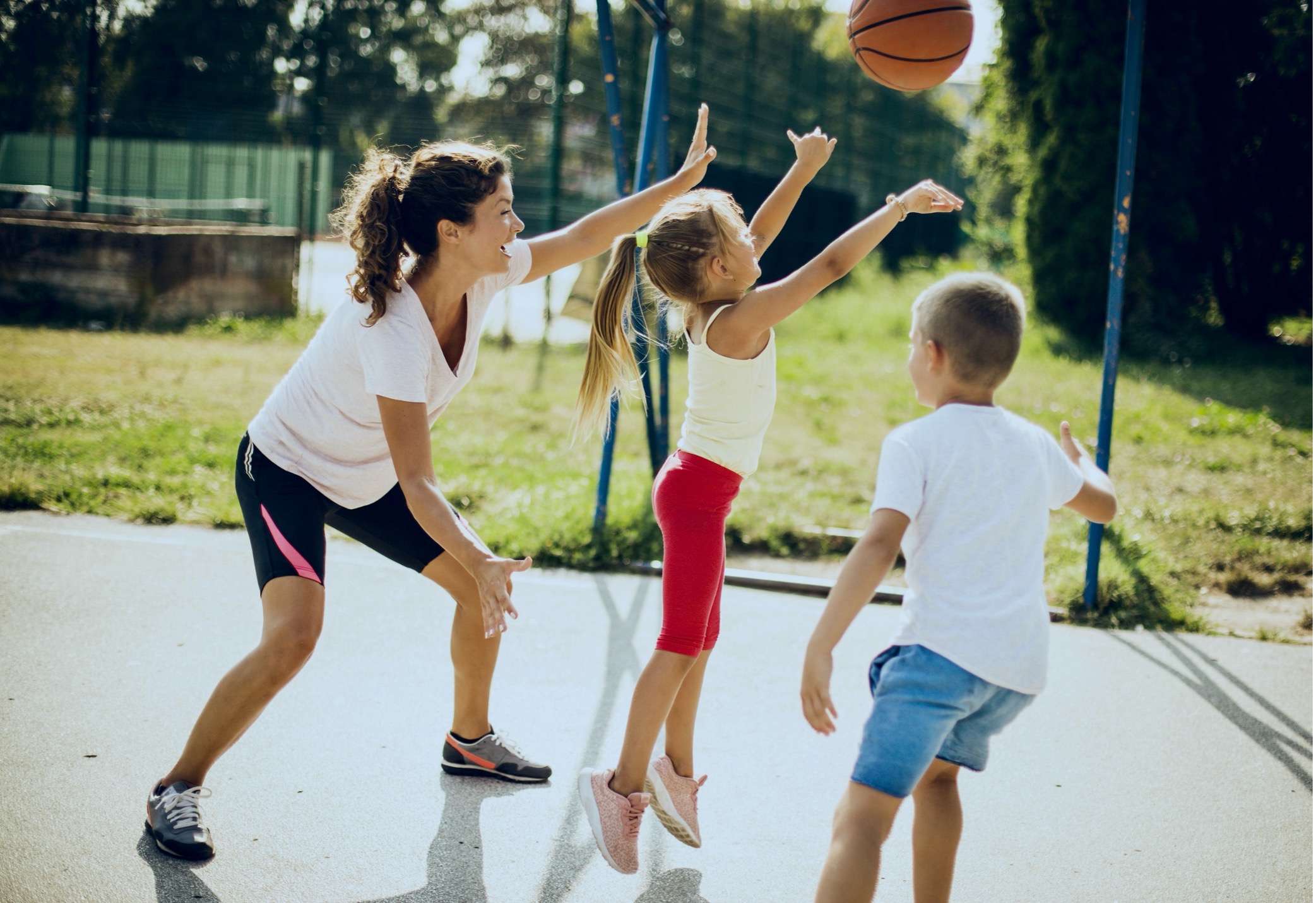
Our mothers drove us to training, handed us our forgotten sports bags and gave us access to sport at an early age.
Whether on the pitch, in the company or in everyday family life: women bear responsibility on many levels - organizationally, emotionally and mentally. It is often overlooked how strongly this "mental load" also influences their own activity - and how important targeted sports activities are for them in particular.
For Mother's Day, we are therefore looking at how exercise can promote mental health, how cycle-based training sets new standards, why professional sport and pregnancy are not a contradiction in terms - and what modern managers can learn from mothers. It's about more than care: it's about leadership, innovation and structures that treat health not as a privilege, but as a foundation. That's why ISPO 2025 will bring together the healthcare sector, companies and industry from 30 NOV. - 02 DEC. in the Health & Wellbeing Arena to find solutions that will shape the future of sport!
Mothers bear responsibility on many levels - emotional, organizational, mental. The so-called mental load accompanies them around the clock and can lead tochronic exhaustion and psychological stress. Many mothers refrain from exercising for this very reason, partly because self-care is perceived as "selfish".Dr. Fiona Bull from the WHO emphasizes the difference between the sexes: "Men tend to be more active than women. This means that women are less likely to reap the health benefits. Therefore, there is a huge opportunity for us all to encourage more women and girls to get active, stay active and stay healthy. This is really important, and unfortunately it is often overlooked." This is precisely why it is crucial to see exercise not as a luxury or selfish, but as a necessary part of mental health and female self-care.
It's not about peak performance. On the contrary: intensive sports sessions do not necessarily correlate with greater happiness. In a Japanese study, mothers who achieved the WHO recommendation of 150 minutes per week reported significantly higher subjective happiness (score: 4.56 vs. 4.09). Even 600 MET minutes per week - i.e. around five hours of moderate-intensity daily exercise such as walking or light cycling - made a difference. It is important that exercise is adapted to the current physical and emotional state - then it is maintained in the long term and acts as a real resource in everyday life.
A look at Sweden underlines how strongly political framework conditions are interwoven with mental health: In countries with equal parental leave, the need for anxiety medication among mothers falls by 26 percent. But a lot can also be achieved on a small scale - with exercise programs that take mothers seriously, create space for social connection and treat mental health not as a privilege, but as a foundation.
Brazilian volleyball player Priscila Heldes is on the court despite her growing belly - medically supervised, with adapted training and the full support of her team. Her message: "I am healthy and feeling great. The first thing I did when I found out I was pregnant was to seek medical help. I am being monitored by a professional who has experience in the health of athletes and has cleared me to play, taking some precautions, of course." Pricila emphasizes the importance of medical care, but of course every pregnancy is individual. Every pregnant person should listen to their body and do what is good for them in consultation with doctors.
Physical activity during pregnancy not only promotes physical well-being, but also reduces the risk of back pain, gestational diabetes and depressive moods after the birth.
But while individual examples are encouraging, the case of Paralympic swimmer Elena Semechin shows the other side: After announcing her pregnancy, the three-time world champion lost sponsors. Her planned return to the 2028 Paralympics is uncertain - not because of her athletic form, but due to a lack of financial security.
The good news: things are moving. The Women's Tennis Association has introduced a pioneering maternity protection program in 2025. It also applies to players who adopt or become parents together with a partner. Twelve months of financial security and access to medical advice create new scope - not only on the court, but also in life.
Top stars such as Serena Williams, Naomi Osaka and Belinda Bencic show what is possible: sporting careers that take place not despite, but with a family.
The message is clear: if the structures are right, family becomes a strength in professional sport - not a risk.
Women's health is not a "nice-to-have" - but a key factor for healthy societies and efficient companies. Theresa Härter, Consultant for Mental Health & Women's Health, WORK BODY MIND, spoke about this in her talk at ISPO Munich "Taboo or transformation - Why female health in the world of work is not a "nice to have".
She emphasized that 700 diseases are diagnosed later on average in women than in men. The result? Nine years of poor health - per woman. The economic damage: around 1 trillion euros a year, caused by missed diagnoses, incorrect treatment and structural neglect.
The solution is within reach: Gender-sensitive health management that differentiates rather than generalizes. Endometriosis, PCOS, lipoedema or the menopause - these diagnoses affect millions of women, but are often left out of prevention and occupational health programs. This needs to change.
What does that mean in concrete terms? Sports programs must take hormonal characteristics into account, nutrition courses must be tailored to clinical pictures such as PCOS, and mental health must also be considered in the context of chronic pain. Companies that take a holistic and gender-specific approach to health are not just investing in people - they are investing in sustainability.
ISPO 2025 (30. NOV. - 02. DEC.) is dedicating a separate hall to the topic of Health & Wellbeing. Here, new perspectives on physical and mental women's health will become visible - through products, concepts and discussions that combine sport, prevention and equality.
They are C-level, founders, industry pioneers - and mothers. Women like Amy Montagne (Nike), Carla Murphy (adidas), Anne-Laure Descours (formerly Puma) and Antje von Dewitz (Vaude) show what modern leadership can mean: Compatibility as attitude, self-care as strength, purpose instead of pure performance.
Antje von Dewitz, mother of four and Managing Director of Vaude, puts it in a nutshell: those who understand leadership as a form of care work lead more sustainably, more empathetically - and more successfully. For Amy Montagne, motherhood was the turning point: she completely changed her leadership, became more vulnerable, more visible - and therefore more effective. Anne-Laure Descours, on the other hand, deliberately chose Hong Kong as a place to live so that she could develop as a mother and top manager - a socio-political statement. Carla Murphy drives the outdoor sector at adidas with vision and perseverance - and is also an ultra-runner and mother of two.