

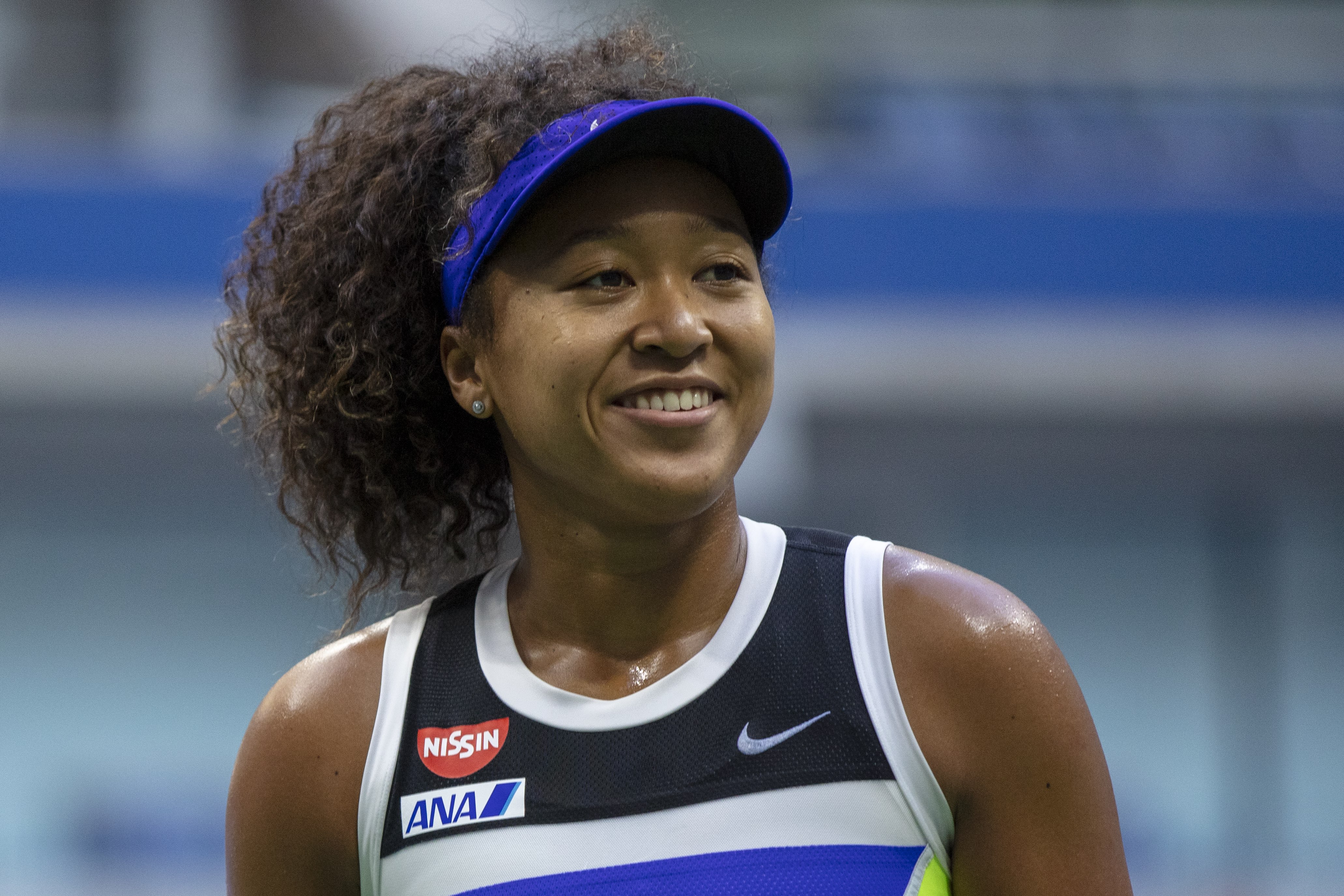
Simone Biles, Naomi Osaka and Michael Phelps have made history in sport. And not just with their performances: With their openness, they have played their part in ensuring that mental health problems are no longer taboo. We show you 13 sports stars who have faced up to their problems and are committed to the topic of mental health.
Trigger warning: This article contains passages about depression, alcohol and drug abuse and bullying; even if you suffer from emetophobia, you should not read this text or should not read it alone. You can find information and help here.

Exercise is important. Not only for our health, but also for our mental fitness. In addition to important values and physical well-being, sport also develops the mental strength to master life's challenges.
Here are 8 organizations that inspire enthusiasm and fun in sports through their actions and, above all, get our youth moving.
All initiatives are represented at the GameChanger SportsHub at ISPO Munich 2023.
Our society spends too much time sitting down. An average of 9.2 hours every day. In the long term, this leads to health problems. As part of ISPO Munich 2023, the GameChanger SportsHub presents solutions to get people moving again. The latest developments will be presented here and the future of sport will be developed together with industry experts. Among other things, the potential of current technologies such as virtual and mixed reality will be explored in order to create new incentives for exercise.
All initiatives will be live on site at ISPO Munich 2023 and share their experiences, visions and solutions to bring sport forward again.

Proper nutrition plays an important role, not only in sports. But why do we often reach for unhealthy snacks even though we know better? Our psyche influences our eating behaviour, but there are tricks to making conscious choices.
Don't think about a bar of chocolate! So, are you already hungry for plain or whole nuts? Food starts in the mind: Just thinking about our favourite food makes our mouths water. The taste, the texture, the smell - all these sensory aspects ensure that most of us have a deep affection for good food. But if we have a closer look, we realize that the decision about what goes on our plate is often influenced by far more than simple hunger or a spontaneous appetite.
Hidden deep within the convolutions of our consciousness are complex psychological patterns and ingrained habits that determine what we eat and for what reasons we do so. That which Sigmund Freud hypothesized more than a century ago is confirmed by contemporary neuroscience: we are not in full control of our own selves, often "remotely controlled" like puppets.
So our food choices are not just pragmatic decisions, they are a complex mix of biological, psychological, social and cultural factors. It's important that we become aware of these multi-layered influences to better understand why we eat what we eat - and perhaps to make more purposeful choices for healthier and more fulfilling diets. In our daily lives and for the sports we play.
Some of these factors are:
Emotional eating: Many people tend to eat when they are stressed, bored, sad or in other emotional states. This behaviour can lead to overeating and preferring unhealthy foods.
Reward system: Our brains are wired so that we often associate food with reward and pleasure. The desire for rewards can lead us to prefer foods high in calories and sugar.
"One of our oldest brain regions, the limbic system, unconditionally demands reward. And food is a wonderfully uncomplicated reward because it's usually always available." - Prof. Dr. habil. Johann Christoph Klotter, former professor of nutritional psychology and health promotion at Fulda University of Applied Sciences (now deceased, in a BDSI report).
Habitual eating: Eating habits and rituals can greatly influence our eating behaviour. For example, eating lunch at the same time every day can become a habit, regardless of hunger or appetite.
Body image and self-esteem: Self-esteem and body image play an important role in eating behaviour. People who are dissatisfied with their body image are sometimes prone to restrictive eating or eating disorders.
Social influence: People are social creatures, and eating behaviour can be strongly influenced by social pressures and norms. For example, people often eat more in company and may be influenced by other eating habits.
"Through the nature of his diet, a person shapes or defines his cultural and social connection. This is often of far greater importance to him than his physical health." - Prof. Dr. habil. Johann Christoph Klotter
Evolutionary factors: Our ancestors had to scavenge for food sources and store calories to survive. This has led to a natural tendency for humans to prefer foods that are nutritious and high in calories.
Advertising and Marketing: The food industry uses psychology and marketing techniques to entice us to buy and consume certain foods.
Biological factors: Hormone balance, blood sugar levels, and feelings of fullness are important biological factors that influence our eating behaviour. Hormones such as leptin and ghrelin play a role in regulating hunger and satiety.
Taste preferences: Our individual preferences for certain tastes, such as sweet, sour, salty, bitter and umami*, influence our eating habits. People tend to eat foods that taste good to them.
*=Umami is one of the five basic tastes that the human sense of taste can perceive. The term originates from Japanese and means something like "savoury" or "spicy". Umami is primarily evoked by glutamic acid, which is found particularly in protein-rich foods such as meat, fish, cheese, and in some vegetables such as tomatoes and mushrooms.
Cultural and ethical considerations: Culture and ethics, as well as religious and personal beliefs, can also influence eating behaviours and habits.
Every athlete, from amateur to professional, instinctively understands that a balanced diet is the key to peak performance. But not all sports nutrition is the same. Strength athletes and endurance athletes have different goals, which require a specially tailored diet.
The focus of strength athletes is primarily on protein intake. Their main goal is usually hypertrophy, i.e. maximum muscle growth. Carbohydrates play a subordinate role. Endurance athletes are different. They require an increased energy supply over a longer period of time. To ensure the best possible energy supply, it is therefore crucial to completely fill the carbohydrate stores in advance. A diet rich in carbohydrates is recommended in this case. In addition, the protein requirement for endurance athletes is somewhat higher due to the increased total consumption and is around 1.2 to 1.4 grams per kilogram of body weight. The intake of fluids also plays a crucial role, especially during long-duration sports activities.
The foods we eat have a profound impact that goes beyond our physical health and goes right to the heart of our mental and emotional makeup. Despite the deluge of information coming at us through social media and other outlets, and studies on healthy eating, we often face a troubling disconnect: the difference between what we know about healthy eating and sports nutrition and how we actually eat.
"Without the right fuel, the best workouts are of no use. People often underestimate nutrition not only during the workout itself, but also after the performance has been achieved. Only with the right nutrition before, during and after exercise can you attack best performances." - Nora Havlinova, MSc, nutritionist and athlete
Stress, whether caused by work or sports challenges, personal conflicts or other life circumstances, has an additional impact on our eating behaviour. For some people, stress leads to a reduced appetite, so they tend to skip meals or eat very little during hectic times. Others, however, feel just the opposite in stressful situations and experience increased cravings for food.
In times of increased stress levels, such people may change their eating habits and increasingly reach for high-calorie, often unhealthy foods. This is often referred to as "frustration eating" or "comfort eating." Studies have shown that the stress hormone cortisol increases appetite, especially for sugary and high-fat foods.
Chronic stress can lead to long-term changes in eating habits, as it can make people more likely to choose convenient but unhealthy foods. Too much saturated fat, sugar and empty carbohydrates tend to make people tired rather than provide energy. In addition, there is an increased risk that the diet will no longer meet needs and deficiencies will develop. This can lead to an increased risk of obesity and related health problems.
Overcoming your inner badass and building discipline takes time and patience. Any progress, even if small, is a step in the right direction. By making conscious, healthy nutrition choices, we support not only our athletic performance, but also our overall well-being.
Proper nutritional discipline ensures that the body receives adequate energy in the form of carbohydrates, proteins and fats. This is especially important for athletes, as proper energy provision can increase performance and endurance. Sources recommend consuming carbohydrates well before exercise to replenish glycogen stores. After exercise, proteins help with muscle recovery.
"If you eat a balanced diet that covers your energy needs, you're allowed to have a piece of cake once in a while." - Nora Havlinova, MSc, nutritionist and athlete
In summary, nutritional discipline plays a critical role in how athletes perform and feel. A balanced diet contributes to energy provision, recovery, mental health, weight control, and long-term health. Our eating habits are 80 percent determined by the unconscious and emotions. Our brain, shaped by experience, emotion and environment, influences every decision we make about what we eat. Awareness of this is the first step to a healthier lifestyle and a healthy diet that tastes good and is fun to eat. Then better athletic performance is possible, whether as an amateur or an athlete.

Triathlon is not only a competition against the clock, but also an intense battle with one's own mind. 2014 Ironman Hawaii champion Sebastian Kienle shares his personal odyssey through the world of triathlon and the indispensable role of mental strength. Learn how a strong mind can make the difference between winning and losing, and the intimate secrets Kienle reveals after more than two decades in elite sports. Dive into the world of triathletes and learn how mental power can overcome even the toughest limits.
Genetically, you may be the perfect athlete. But if you don't know how to use that talent, you don't stand a chance. In my career, I have seen many athletes who were physically stronger. They still didn't make it to success because they often lacked the mental power. The body is like a car. It stands there and looks good at first glance. Mental strength may be only a small aspect, but it is the ignition key. If you can't start the car, you won't win anything in the end. For me, the value of mental power lies in seeing problems as opportunities. You sort of lie to yourself without recognizing it as a lie. The head says in the race that you should stop because it's too much. Then it is the art of directing exactly these thoughts in such a way that this is the decisive point in the race for which one has entered the start in the first place. That's the real challenge in a race, that's when the difference is made. If there is little wind and the water is flat, you can't show that you are a good sailor. Only when the waves are really high and it's stormy do you have the opportunity to show that you are better. I have not always been able to do that in my career. You don't know what mental strength is until you've been through weaknesses. The head plays a big role in this sport, for me the decisive one.
My body and mind are slowly ready to end the athletic career. While an immense amount is demanded of the body almost every day in training and competition, the mind is especially challenged in difficult situations. Protracted injuries that last for many weeks and months, plus years of pain. Then it becomes increasingly difficult to tell yourself that you still have it. That hollows you out mentally and it's a lot of things that make your mind mentally fatigued. The end of the year is the end of it.
In this sport, sometimes a certain inexperience can even help, especially at the beginning of a career. If you don't know that the wall is coming, then you don't brake. If you've seriously pushed your limit once, you're more likely to be afraid to get there again. I've done that a few times and it tends to scare you off rather than make you feel good. That's also why I was able to go much lower in my first long distance races than years later. You learn more to manage that condition and it's extremely mentally challenging. My pot of mental strength is so slowly empty.
In my first long-distance triathlon at the Challenge in Roth, I was the first rookie to stay under eight hours. It was a moving experience that left me in tears for a long time afterwards. Immediately after the race I collapsed. Even though I felt better hours later, I could hardly move for the three weeks afterwards. Training was not possible, my body and head kept me from it. I slept a maximum of 1.5 hours a day. On the way to an appointment I had to pull over because I had a nervous breakdown. I sat in the car and just cried on it. There it was-my first post-traumatic stress disorder-meaning limit. It didn't deter me, especially since I was prepared for it. For many athletes, this is the proof of being able to demand something of the body with an irrepressible will that it otherwise would not have been able to do. However, I don't think you grow mentally from these situations. It's like a box of matches that eventually runs out. On the other hand, unexpected situations that happen but are not accompanied by the physical limit are the ones you grow from.
Inner voices accompany you every day. You haven't trained hard enough or enough. You think others are investing more and you don't see how close you are to your limit. Why? Because you don't manage to block out everything else and look at what others are doing or what you yourself have already done in the past. Then you generally always believe that you are too fat. But during a race these inner voices also help. I have different scripts, many are linked to technology. There's a balloon hanging from my neck that pulls me up, my foot is a pedal scooter and my hip works like a Segway, you lean forward and get faster and faster. If you keep your brain busy, nothing negative comes in.
The first hurdle awaits you before you even get on the plane, especially if you are competing in Ironman Hawaii for the first time. You read and hear so much about this race that you develop great respect. That's the myth of Hawaii. I don't think it's the toughest triathlon, but it's the fastest with the best field of starters in the professional field. That also makes it the triathlon that is the hardest to win.
Then at some point you reach Hawaii completely overtired and there you are hit by extremely warm and humid air. In the first training you have 15 to 20 pulse beats more on the clock and are totally unsettled. Everything feels heavier and you think the spirits of the island have conspired against you. In the race, there are several adversities that can get you down. Many athletes get scared during the swim. The vastness of the ocean, the many starters around you, it can create panic. On the bike course, the last 35 kilometres up to Senic Point can be key. Here you can really feel the heat for the first time and you must not make the mistake of thinking about the marathon that follows. Several hurdles lurk on the running course. One is the Queen Ka'Ahumanu Highway. It has 6 lanes and you can see incredibly far. You can't lift your head and look into the distance, because you feel so incredibly slow. And finally, this brutal heat. The temperature of the body core can move towards 40 degrees Celsius, which is life-threatening, and when in doubt, the body shuts down everything. Mentally, that's incredibly hard, because you just can't think cold thoughts. Once you're overheated, you have to cut out so much power. I was always in this phase in Hawaii.
On the one hand, you often wish you had a normal job during your career, where the potential for failure and consequences is not so great. I dropped out of college for competitive sports and put all my eggs in one basket. You can't get disability insurance at that level either. So there is always the danger that suddenly everything is over. On the other hand, the degree of freedom has kept me in this sport for 30 years. I'll definitely take the performance principle with me into my future career. And of course the mental attitude. I will always dedicate myself to new things with 100 percent, there is no such thing as half throttle for me. And I always have to take the reins myself. You can't take this personal responsibility off your shoulders.

Nutrition has a strong influence on the performance of the body. Athletes in particular should pay attention to the optimal intake of nutrients. When it comes to food supplements, additional knowledge facilitates the correct intake.
"Like diet, like performance - like performance, like diet." This old sportsman's adage has lost none of its validity. It doesn't matter whether performance is defined as maintaining health, gaining fitness, reaching the desired weight, or measurably improving one's best time. Only if the body is supplied with high-quality "fuel" adapted to its individual needs can it achieve the desired performance.
Conversely, the type and level of performance that athletes want to achieve determines what should be consumed and in what quantity. For us as humans - and as athletes in particular - eating and drinking means much more than instinct-driven food intake. Regardless of which of the aforementioned athletic goals I pursue, nutrition will be the second supporting pillar next to training that decisively determines how effectively set stimuli are implemented. Before thinking about "what, when, and how much?" it's worth addressing a seemingly banal question: "What does nutrition have to do, in general and in terms of my athletic goals?"
Good nutrition for endurance athletes is characterized by its adaptability to the specific requirements of the individual sports. My diet must create the conditions for my training to fail not through insufficient energy recruitment, but through the processing of training stimuli and effective recovery from nutrient deficiencies. Among ambitious amateur athletes, regeneration that is too short and filled with the wrong content is one of the most common mistakes. Runners are no better than rowers, swimmers no better than cyclists or triathletes. After the race is before the race: Every athlete knows that regeneration begins at the finish line.
In endurance sports, it is important to bear in mind that prolonged exercise also means a lot of fluid loss. Consequently, athletes - whether professionals or ambitious recreational athletes - should be particularly conscientious about maintaining a balanced fluid intake.
Readjusting the balance between loading and unloading, enriching recovery breaks with active content, and offering urgently needed nutrients in the right quality and dosage is the key to optimal regeneration of the body. Especially in the first 45 to 60 minutes, the body craves fresh nutrients. During this "anabolic window" amino acids and enzymes are best absorbed and processed by the body. Now it is important to satisfy this craving as quickly as possible with high-quality nutrients. A conscious and regular approach to sensible nutrition and targeted nutrient intake protects the body and promotes overall athletic performance.
In the following overview, we have listed various products for use before, during and after sports.