


62% of women worldwide feel disadvantaged within the healthcare system. This gender health gap is also evident in sport and the outdoors — from training plans to injury prevention. International Women’s Day highlights this reality — but health equity must be a year-round priority. Achieving it requires ongoing attention, education, and systemic change.
These 11 statements from strong women make one thing clear: It’s time for change — and there’s still a long way to go.
More than half of women feel they receive lower-quality care in the healthcare system compared to men. Whether it’s sports injuries, heart attacks, or mental health, medical research and diagnoses are still often based on the male body as the standard. As a result, women are diagnosed later, treated less effectively, and given too little attention when it comes to prevention and therapy.
This gender health gap is also evident in the world of sports and the outdoors — from training plans and stress thresholds to injury prevention. However, the issue of health goes far beyond gender-specific differences. Health — both physical and mental — is increasingly becoming a key factor for performance, quality of life, and sustainable participation in sports.
That’s why health took center stage at ISPO Munich 2024, with talks, panels, and discussions featuring strong voices from female athletes, health experts, and industry leaders. Their perspectives make one thing clear: health is more than just a trend — and the sports and outdoor industry must take a holistic approach to this vital topic.

New trends, fresh business models, expanded target groups and their needs: What are healthtech investors jumping on and why? We asked three investors for you - and they provide insights into their strategies and forecasts.
Lucas actually works in Berlin. But when our conversation begins, he is sitting in a hotel room in Finland. The investor is currently attending SLUSH, a start-up and tech event in Helsinki. His first impression after scanning the list of young companies: "It feels like there are only two camps at the moment: mental health and women's health." His employer Heal Capital invests in companies "that improve the healthcare system and have digital components at their core: Our focus is on software."
Absolutely. A striking number of start-ups are dedicated to female health and topics such as menopause, endometriosis or childbirth. The other large group focuses on mental health, often on employer models that offer tools for employee health. These topics are more dominant than others on SLUSH - despite the skepticism of many investors, as few unicorns have emerged to date.
Historically, both fields have achieved low returns. This is partly due to the fact that less money flows into the healthcare system. For example, there is unfortunately still no treatment or insurance reimbursement for certain illnesses that could earn money. As a result, hardly any large companies have emerged in the European sector - although many would like to.
State pension systems are under pressure, in England or Germany, for example, the health insurance funds: contributions are rising, people are ill for longer. Then there is the debate about pensions, another part of the social system. Everything is imploding. And now, at the beginning of the year, England is increasingly allowing private service providers to become part of the National Health Service (NHS) - because the system itself can no longer cope. From a funding perspective, it will be interesting to see whether large budgets open up.
Automation of repetitive tasks using AI, for example practice assistants who answer patients' questions. Note-taking tools that automatically create doctors' reports or shift planning tools that organize substitutes at short notice.
For example, AI Drug Discovery, AI as a researcher of new drugs, received billions in investment but often failed in clinical trials. Not everything that says AI on it is gold. Some AI tools are interchangeable features - but not companies. In addition, almost anyone can build something quickly today thanks to open source models, which is why we are not investing here.
Revenue sharing is effective, for example with radiologists: an AI tool analyzes images as an additional service. If the patient pays, the start-up and the radiologist share the revenue. A similar example is AI-supported heart failure monitoring: patients use smartwatches and scales, while doctors can analyze and bill their data.
I can't give any details publicly yet - but that will come soon! In my experience, you need a good nose for a subject area. And then a founding team that is agile enough to maneuver through it. When a regulatory change comes along, it can be absurdly big. Because the influence of regulation on this market is huge.
With digital health applications (DIGA), we were unsure from the outset how this could scale. Unfortunately, it's even more difficult than we thought. I think the industry is only just discovering how to make money with it. For me, this is the most difficult child in the health tech sector.
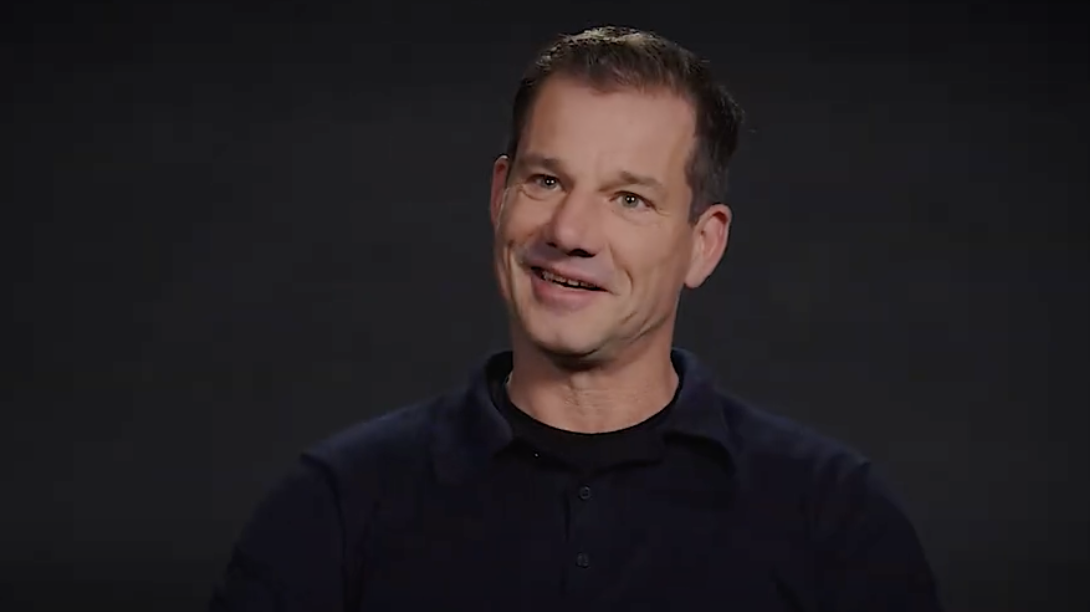
This special training method focuses on the nervous system and is intended not only to improve performance, but also to ensure faster rehabilitation after or prevention of injuries. But how effective is neuroathletics really? Is it the game changer in elite sport or more of a hoax in training theory? We spoke to Lars Lienhard, founder of the Neuro Athletic Training Institute.
We have fond memories of the European Championships in August 2022, when Gina Lückenkemper sprinted to the European title in 10.99 seconds. Anyone who was there in Munich's Olympic Stadium back then can count themselves lucky. It was a special experience and a phenomenal run by the German athletics queen. In the last eight strides, Lückenkemper made up a good 1.5 meters on Mujinga Kambundji from Switzerland, who had been in the lead until then, and finally overtook her in a photo finish. In front of her home crowd, Gina Lückenkemper delivered to the point and showed nerves of steel. However, what colloquially means a mental state of mind can also be interpreted differently in the 26-year-old's case. Gina has been practicing for many years neuroathleticstaught to her by Lars Lienhard.
Sports scientist Lienhard has been intensively studying the connections and interactions between the brain and movement for over ten years. The result is a specific form of brain and nerve training. He calls it neuroathletics. Lienhard is considered a pioneer in this field in Germany. More and more athletes are putting their trust in him, including tennis ace Alexander Zverev, footballer Serge Gnabry and Gina Lückenkemper.
Neuroathletics originated in the USA. The topic has been on the agenda there for several decades. Dr. Eric Cobb really got the ball rolling there in the early 2000s. The US chiropractor was the first to integrate the findings of functional neurology into traditional athletics training and thus develop new training methods. Numerous US athletes trusted his method from then on. NBA star LeBron James also had a neuro-doc at his side during his time with the Miami Heat (2010-2014). Eric Cobb also passes on his knowledge in training courses; one of his first students was Lars Lienhard. "According to classical movement theory, strength is a physical attribute and its central nervous control only plays a subordinate role. But that's not true, because muscles only execute the movement patterns that the brain tells them to," says Lienhard. This is why the central content of neuroathletics lies in looking at the brain. The approach: how can the brain's control system be specifically changed or influenced - for example, by providing sufficient high-quality information from the sensory organs? Lienhard wants to know where the problem lies in the brain's "software" and what an individual update might look like. But does it really work?
He firmly believes that neuroathletic training could be a real game changer, as it offers a new approach to overcoming deadlocked plateaus in elite sport. Attempts are often made to break through the plateau by changing training methods such as strength training. However, sometimes it is enough to activate the brain with targeted sensory information in order to make progress again. This can lead to previously blocked motor processes being triggered in the brain, making movement easier and more efficient. The key here is improving blood flow in the brain, which leads to the brain being able to better adapt and optimize movement - and this is often the turning point that can bring about a real breakthrough in training.
At the German Sport University Cologne, Dr. Vera Abeln is researching how exercise affects the brain at the Institute for Movement and Neuroscience. In her research, Dr. Abeln is primarily interested in how exercise can be used to positively influence the brain. The negative influences on our brain due to a lack of exercise are also aspects of her research. "The brain is very smart. When something is used more or becomes more important, our brain adapts in the long term. Plastic changes then lead to processes running more economically or effectively," says the sports scientist. Nerves can also be trained. "New nerve cells or neuronal connections between cells can be created, known as neurogenesis. The transmission speed or quantity of messenger substances that transmit signals can also be optimized through frequent training," says Dr. Abeln.
Lienhard describes exactly what an exercise for neuroatheltics training can look like as follows: 'Training often deviates from the typical idea that many have of athletic training, as it focuses on activating the senses rather than classic physical movement sequences. In neuro-centered training, exercises are developed that are based on sensory perceptions from the outside world, the body and internal processes. The exercises can therefore sometimes look a little strange as, for example, joints are stretched or rotated while the head is held in a certain direction. The aim is to activate various sensory organs, such as the balance system or the eyes.
When asked whether neuroathletics is only applicable to certain sports, Lienhard explains that this is by no means the case. He emphasizes that neuroathletics deals with how the brain regulates and optimizes movement, regardless of the type of sport. This is because in the various disciplines of the Olympic Games as well as in soccer, movement is always regulated by the brain and transferred to the body. Neuroathletics is now growing steadily and is already firmly established in many sports.
Former professional footballer Jan-Ingwer Callsen-Bracker has experienced this first-hand. The central defender was the first to practice neuroathletics in the Bundesliga. After team training, he regularly put in an extra session at FC Augsburg. Eye training, balance training, nerve stretching. At first, his teammates were very skeptical and rolled their eyes. Later, more and more of them rolled their eyes along with Callsen-Bracker. "I had compensation patterns for a long time after an injury at the start of my career, which led to recurring muscular problems. The contact with neuro-focused training was a turning point for me. It made me stronger, more flexible and pain-free. My performance has improved significantly due to my increased quality of movement," says Callsen-Bracker. After his active career, Callsen-Bracker immersed himself completely in the subject and continued his education in the field of neuroathletics. He now oversees the field as an expert for the German Football Association, advising and training the German national A and U teams.
Neuroathletic training draws on information from various fields such as sports science, psychology and neurology. It focuses particularly on sensorimotor function, i.e. how sensory information controls motor processes. A large part of the work is based on applied movement neurology, which provides new insights into how the brain connects movement and which aspects can be utilized. These disciplines make it possible to design training in a targeted manner and to expand our understanding of motor development and the acquisition of movements, explains Lienhard.
However, it is difficult to measure and evaluate results and progress through neuroathletics. There are virtually no studies available. One reason for this is that the term coined by Lienhard is still relatively new. On the other hand, there are aspects of neuroathletics that already exist in other forms of training or are used under other terms such as consciousness control, visual attention or anticipation skills. Dr. Vera Abeln knows why research in this area is lagging so far behind: "In order to be able to make really valid statements about the effects of neuroathletics, you would have to look at the processes that cause changes in the brain during a movement. This is practically impossible with an MRI due to movement artifacts during sport, and only possible to a very limited extent with EEG. In addition, the methodology requires a large number of repetitions under almost identical conditions. Taken together, these are the reasons why there is currently almost no valid data available. However, the fact is that every intensive exercise also leads to plastic changes in the brain and processes are optimized. Therefore, there is nothing fundamentally wrong with this concept." So the question of what demonstrable effects neuroathletics has on athletes cannot - yet - be answered.
Neuroathletics is being used more and more in rehabilitation and therapy. In professional sport, it is often about fine-tuning, getting that little bit "more" performance, providing new impetus or alleviating pain and problems caused by injuries. As long as more and more top athletes are reporting positive effects and more and more associations and clubs are opening up to neuroathletics, Lars Lienhard does not seem to be wrong with his concept. However, it is also clear that neuroathletics requires an individual anamnesis and a specific recommendation. It is not off-the-shelf training; experts and intensive, continuous 1:1 support are essential.
Finally, Lienhard adds that neuroathletic training is all about each trainer having their own approach. This means that two trainers can achieve different results - just like in strength training. The quality of the information you get plays a huge part in this, especially in a field that is developing so quickly. It's important to know the market and understand what works and what doesn't.

In an era in which technology is permeating every aspect of our lives, corporate health is also on the verge of a fundamental change. Artificial intelligence (AI) is finding its way into corporate health management and promises to take employee well-being to a new level. But how exactly can AI help promote health and productivity in the workplace?
The integration of AI into corporate health is more than just a technological advance; it marks a paradigm shift in the way we approach employee health. Companies are increasingly recognizing that the use of AI not only enables efficiency gains, but also has the potential to significantly improve employee satisfaction.
AI makes it possible to tailor health services to the individual needs of employees. By analyzing health data, personalized programs can be developed that address specific risks and preferences.
One example is IBM Watson Health, which uses AI to help companies design customized health plans. These individual solutions lead to higher acceptance and effectiveness of health programs.
In the area of workplace wellness, AI is opening up new avenues for innovative approaches. Wearables and mobile apps supported by AI make it possible to collect and analyze health data in real time. This makes it possible to provide exercise recommendations or monitor stress levels.
The company Personify Health, for example, uses AI to motivate employees to adopt a healthier lifestyle. Personalized recommendations and gamification elements increase employee engagement.
Managers play a crucial role in the well-being of their teams. AI can serve as a valuable tool here, providing insights into employee needs without violating privacy.
Microsoft Viva Insights uses AI to analyze work patterns and identify signs of overload or burnout. Without disclosing individual data, managers can proactively take measures to promote the well-being of their teams.
AI can optimize workflows and boost productivity. By analyzing communication and collaboration patterns, inefficient processes are identified and improved.
The company Humanyze uses AI to analyze team collaboration and uncover optimization potential. This leads to more efficient work processes and improved team dynamics.
Despite all the advantages, the challenges should not be overlooked. Data protection and ethical issues are at the center of the discussion about AI in corporate health management.
The protection of sensitive health data is of the utmost importance. Companies must establish transparent data protection guidelines and ensure that the use of AI complies with legal requirements, such as the GDPR.
A study by Deloitte highlights the importance of ethics and trust when using AI in human resources. Employee involvement and open communication are crucial to the success of AI initiatives.
The successful introduction of AI in healthcare requires cooperation between established companies and innovative startups. Startup Creasphere, initiated by Plug and Play, promotes precisely this collaboration.
As one of Europe's largest health tech programs, it connects companies with startups to jointly develop innovative health solutions. Startups test their AI-based solutions in real business environments, while companies benefit from fresh ideas. This collaboration accelerates the development of new health solutions and shapes the future of the healthcare sector.
The integration of AI into corporate health is only just beginning. The possibilities are diverse and offer companies the chance to sustainably improve the well-being of their employees while increasing productivity.
It is now up to companies to seize these opportunities and actively shape the future of corporate health management. By using AI responsibly and ethically, a culture of well-being can be created that benefits both employees and the company itself.
To effectively leverage the benefits of AI in corporate health management, companies should take targeted steps:
The integration of AI into corporate health management offers companies the opportunity to develop personalized and effective health strategies. By taking concrete steps – from analyzing health data and implementing AI-based solutions to training employees – you can sustainably improve the well-being of your workforce. In doing so, it is important to always ensure data protection and to prioritize ethical considerations. This way, you not only create a healthier work environment, but also strengthen the loyalty and satisfaction of your employees.

In the high-rise canyons of the modern economy, where the competition for innovation and efficiency is raging, more and more companies are realizing that their most valuable asset is not in algorithms or machines, but in the people who work for them. Yet while technological investments flourish, a crucial factor often remains in the shadows: employee well-being.
Imagine a complex clockwork in which each cog is precisely aligned with the next. If one gets stuck, the entire system comes to a halt. The situation is similar in companies. Healthy and satisfied employees are not only more motivated, but also demonstrably achieve more. A study by Harvard Business Review emphasizes that companies with effective wellness programs see a significant increase in productivity and reduce absenteeism. Every dollar invested in wellness can generate a return of almost three dollars.
At Google, employee well-being is more than just a nice extra—it's part of the company's DNA. Free, healthy meals in the canteens, gyms right at the workplace and mental health programs are a matter of course. These measures have not only increased employee satisfaction, but also kept fluctuation low and increased productivity by 12%.
At Aetna, a US insurance company, they recognized early on how important employee well-being is. Aetna offers its employees free mindfulness and yoga classes. According to CEO Mark Bertolini, this led to an average productivity increase of 62 minutes per employee per week. In addition, the stress levels of those taking part fell by 28%.
Salesforce, a leading cloud computing company, integrates well-being into its corporate culture. With programs such as “Mindfulness Zones” in the offices and regular wellness events, Salesforce promotes the mental health of its employees. The company has been repeatedly recognized as one of the best employers, which indicates a high level of employee satisfaction.
Outdoor outfitter Patagonia goes even further. In addition to flexible working hours, the company offers its on-site employees childcare, fitness classes and even opportunities to surf during the lunch break. This culture of trust and appreciation has led to high loyalty and lower fluctuation.
The positive effects of such initiatives are not only noticeable, but also measurable. According to a study by the American Psychological Association companies with wellness programs have higher employee satisfaction and lower absenteeism. Healthy employees are less susceptible to stress and burnout, which has a direct impact on their performance and the overall performance of the company.
For companies that want to follow a similar path, it all starts with listening. What are the needs and desires of their own employees? Through open communication and surveys, a tailored program can be developed that is truly appreciated. Involving the workforce in this process not only increases acceptance, but also promotes a sense of belonging and value.
A central starting point is to make working conditions more flexible. Whether it's flexible working hours, the option of working from home, or extended break arrangements, measures that take into account the individual lifestyle of employees can have a major impact. In addition to this, offers such as healthy canteen options, fitness memberships, or mental health programs can sustainably increase well-being.
ISPO has always been committed to promoting health and well-being. By connecting companies and sharing best practices, it helps organizations implement effective wellness programs. This commitment helps create a working environment in which people can reach their full potential – to the benefit of all involved.
Investing in employee well-being is more than just social responsibility; it is a strategic decision with tangible benefits. In an era when the battle for the best talent is becoming increasingly intense, such programs can make all the difference. They not only increase an employer's attractiveness, but also promote a culture of appreciation and respect.
In the end, everyone benefits: employees feel seen and valued, which increases their satisfaction and loyalty. Companies themselves see higher productivity, lower absenteeism and stronger retention of their talent.