


The Suunto Ocean combines nearly 90 years of Suunto expertise in a sophisticated dive computer and sports watch. This handcrafted marvel from Finland is designed for divers and adventurers who demand robust functionality both underwater and on land.
Crafted in Finland with 100% renewable energy, the Suunto Ocean is designed for those who seek adventure both below and above the surface. It offers a comprehensive set of features for scuba and freediving, including multiple dive modes, wireless tank pressure support, and extensive alarms. Additionally, it supports over 95 sports modes, GPS, barometer, offline maps, and advanced training features, making it an ideal companion for all types of athletes. The device also includes on-wrist heart rate monitoring and activity tracking for daily use, ensuring you stay connected wherever your adventures take you.
Built for the most demanding environments, Suunto Ocean is made out of stainless steel with a sapphire glass and a vivid color display. Suunto Ocean packs a battery life that won’t stop you adventuring: its rechargeable battery delivers up to 60 hours of diving and 50 hours of continuous outdoor GPS tracking on a single charge. The watch features a compact size, interchangeable straps and a heart rate tracking from wrist. The easy to navigate user interface guarantees the perfect support even in challenging underwater conditions.
Daniel Das Bhowmik Suunto’s Head of Product explains: “This long awaited new launch is a natural step for Suunto as it brings together all we have learned throughout our almost 90 years of equipping people for adventures. Suunto Ocean is an ultimate device bringing together our heritage from compasses, dive computers, and outdoor watches. Designed, tested and trusted by dive and sports pros.”
Manufactured in Finland at Suunto's factory, the Suunto Ocean reflects a commitment to sustainability, using 100% renewable energy. Suunto calculates and verifies the carbon footprint of the Ocean and offsets it with Verified Carbon Units. Throughout its lifespan, the Suunto Ocean produces only 11.63 kg of CO2e, equivalent to driving a combustion engine car for 70 km* (*Data source: Govt of UK, Dept for Business, Energy and Industrial Strategy, 2023). This offsetting involves planting coastal mangrove forests, which stabilize shorelines, remove pollutants, improve water quality, and provide essential habitats for fisheries.
“Last year, we redefined our design direction, and the Suunto Ocean continues this transformation. It excels in both diving and outdoor sports. Not only does it perform exceptionally well, but it also looks stylish. You can wear it every day, whether you’re preparing for your next diving trip or just dreaming about it,” says Mikko Ahlström, Suunto’s Head of Design.
The Suunto Ocean introduces a groundbreaking feature: the ability to view underwater routes in the Suunto app logbook after each dive. Additionally, entry and exit points may be marked in the logbook. Initially launched as a beta version, this feature will continue to evolve, offering users an innovative and user-friendly diving experience.
All logs, from dives to sports activities, are stored in one app. For sports and daily activity tracking, the Suunto app offers a dedicated Training Zone where users can monitor training load, progress, recovery, and sleep analysis. AI-based Suunto Coach provides personalized training insights. Integration with partner services like Strava, Training Peaks, and Komoot connects users to a community, fostering competition and inspiring new adventures.
The Suunto Ocean comes in three versions, each compatible with a variety of accessory straps for diving, sports, and everyday wear.

The TerraSkin trail shoe by X-Bionic impresses with its overall concept. Thanks to its innovative shoe construction and close collaboration with a non-slip sock, running is redefined in terms of comfort and grip.
The name X-Bionic stands for innovative sports and outdoor products in the premium segment. Especially in the field of compression clothing for athletes, the Swiss brand has made a name for itself through consistently high quality and knitting expertise. X-Bionic’s ambition to enter a new segment was emphatically highlighted by the TerraSkin trail running shoe, which received an ISPO Award. The ISPO Award jury’s verdict was unanimously positive: both the concept and the high level of innovation were fully convincing.
Nothing was left to chance in the realization of the entire project. The development took two years, during which the designers completely broke away from conventional thinking. A path that has clearly paid off, as the recognition by the ISPO Award illustrates. “We are proud to have received the prestigious ISPO Award. This prestigious honor is an independent endorsement from the industry and gives us a great deal of confidence at this early stage, even before the market launch,” explains Patric Matuszis, Head of Marketing Activation at X-Bionic. “The positive feedback from the experts encourages us to continue pushing the boundaries of what’s technically possible and to explore new, innovative avenues. This recognition is a great motivation to keep driving our passion and commitment to excellence forward.”
The TerraSkin wasn’t just developed as a simple shoe concept—it goes far beyond that. From the outset, X-Bionic aimed to understand comfort and control as an integrated, functional approach. The reason behind this is easy to understand: “We come from Switzerland, where our playground is the high mountains, steep valleys, and technical terrain,” explains X-Bionic CEO Maximilian Lenk. “Our vision was to create the perfect symbiosis between cushioning and control. It had to be a perfect system for the feet to tackle a long day in technical terrain, across roots, rocks, and steep descents. The best shoe is of little use to a trail runner if they are wearing cheap or low-quality socks during the activity.”
The expertise of seasoned footwear specialists, combined with X-Bionic’s experience in developing previous products, particularly in technical sports socks, eventually led to a groundbreaking product concept that extends from the foot to the sock and all the way to traction. “With X-Bionic, we had the opportunity to create something completely new from scratch. That was the most exciting part of this journey,” says Flavio Guarnier, General Manager of Footwear at X-Bionic, describing the project’s appeal. “We were able to build a completely new team, dedicated solely to the topic of footwear.” But the project goes far beyond the formation of a new team. With the establishment of its own research and development center in Montebelluna, Italy’s footwear development hub, the Swiss brand underscores its serious approach. “There, we have the right environment to build this strong new chapter of our company, called Footwear,” adds Guarnier.
The expertise of experienced shoe experts, combined with the experience of previous products from X-Bionicproducts, particularly in the field of technical sports socksüled toßa new type of product concept that starts from the footfootfrom the sock to the traction. "With X-Bionic we had the opportunityöopportunityto really create something new from scratch. That was the most exciting part of this journey"describes Flavio GuarnierGeneral Manager Footwear at X-Bionicdescribes the appeal of the project. "We were able to build a completely new team that focuses exclusivelyßdedicated to the topic of footwear." But the project goes far übeyond the formation of a new team. With the foundingüof its own research and development center in Montebellunathe shoe development center in Italy, the Swiss brand is underlining its serious approach. "There we have the right environment to build this new, strong chapter of our company, called Footwear"addedäadds Guarnier.
The TerraSkin stands out with its unique design. Also remarkable: the running shoe will feature numerous X-Bionic patents that cannot be found in other trail shoes. Particularly notable are the Spinweave and Speedframe technologies. Thanks to these innovations, the upper and sole work as a single unit, rather than being glued or stitched together. Additionally, the shifting lugs allow for easier adaptation to almost any terrain.
At launch in fall 2024, there will be three models available: X00/C (Carbon), X01, and X02. All three running shoe models carry the quality marks “Engineered in Switzerland” and “Designed in Europe.” It will be exciting to see what the inventors at X-Bionic bring to the market next in terms of sports footwear.
There will be a total of three models for the launch in fall 2024: X00/C (carbon) as well as X01 and X02. All three running shoe models bear the quality mark.äfeatures "Engineered in Switzerland" and "Designed in Europe". It will be exciting to see what theüthe designers of X-Bionic toüs sports shoes on the market in the future.

Are you ready to elevate your athletic performance? Discover CXP Advanced Sports Underwear, a new innovation designed with all athletes in mind, both professional and every day. Backed by scientific research and patented technology, CXP provides essential support and comfort for workouts and running. CXP supports both performance and recovery.
CXP Sports is excited to introduce its latest innovation in athletic wear: The ‘React XP’ was designed to provide enhanced performance and aided recovery through our ‘muscle mirroring’™️ technology. CXP worked tirelessly to create something that minimised movement, maintained comfort and maximised performance without feeling restrictive. They are delighted to have found the sweet spot; this product is set to revolutionize the way all athletes both professional and every day approach their training and performance.
1. Patented Pressure Regulation Technology
CXP's unique patented technology provides first-of-its-kind pressure regulation to enhance athletic performance in ways never before possible. The React-XP product line incorporates Muscle Mirroring™, with targeted compression zones designed to support key muscle groups during high-intensity exercise. This technology has been meticulously tested and validated by a medical white paper, ensuring that athletes receive real performance benefits.
2. Unmatched stability and support
Independent data shows that the benefits of CXP products increase as the intensity of an athlete's training increases. The result is improved stability and performance, helping athletes push their limits with confidence.
3. Ultra-lightweight design
CXP Advanced Sports Underwear is engineered to be ultra-lightweight, allowing athletes to move freely without restriction.The ultra-light fused waistband adds to the comfort, providing a seamless fit that stays in place no matter what the activity.
The product is tailored for everyone and anyone who runs and trains and understands the importance of what's underneath their gear. Whether you're a professional or a weekend warrior, CXP Advanced Sports Underwear is designed to support athletic performance without compromise. CXP continues to evolve and has recently launched Womenswear.
CXP Sport is on a mission to give athletes a performance advantage backed by science. They know that athletes want comfort and reliability on every run or workout. That's why they've developed the most advanced athletic underwear, offering unparalleled pressure regulation, stability, and an ultra-lightweight garment. The underwear is designed from the ground up for sports, using patented technology to deliver unmatched comfort and performance.
CXP Sport have pioneered a technique that heats a mesh structure at different temperatures within the fabric to create customized pressure on soft tissues. The Muscle Mirroring™ feature uses a Lycra print that covers the mesh structure for optimal performance. These materials offer several key functional aspects:
CXP Advanced Sports Underwear is designed with sustainability in mind. The manufacturing process prioritizes longevity and durability, ensuring that the products can withstand the rigors of intense athletic activity while maintaining their performance benefits over time. This commitment to quality reduces the need for frequent replacement, contributing to a more sustainable approach to sportswear.
„This performance underwear is the exception to the rule. It sets new standards in terms of functionality and comfort, and it's often the little things that aren't visible at first glance that make the difference.“

At the second ISPO Award Meeting 2024, the jury found the best conditions at "Das Hohe Salve Sportresort" in Hopfgarten in Brixental Valley. It was high time to take a closer look at the advantages of the 4-star superior sports resort and take a look at the sophisticated Move & Relax philosophy with which the Pletzer Resorts fulfill all vacation wishes for sports enthusiasts.
The Hohe Salve Sportresort at a glance:
Biking and hiking paradise right from the front door
Diverse range of sports and holistic care
Exercise, relaxation and nutrition in balance
Golfing embedded in the mountains
Active in nature with a 360° mountain panorama, the Hohe Salve Sportresort offers the perfect starting point for this. Whether in the saddle or on foot, varied trails and paths await right on the doorstep of the 4*s hotel in Hopfgarten in Tyrol. As a certified elite partner of "Mountain Bike Holidays", you can set off from Das Hohe Salve Sportresort almost directly from your bed onto a varied and extensive network of cycle trails at all levels of difficulty. Whether connoisseur or pro, everyone will find a sporting challenge on action-packed and panoramic mountain bike trails.
And it's not just mountain bikers who can make the most of the area around the hotel: There are also perfect conditions for road bikes, gravel bikes and e-bikes. Guided bike tours by the hotel's own guides, an in-house bike wash and workshop as well as a bike store with rental in the immediate vicinity leave nothing to be desired. Combined bike & hike tours offer a particularly varied opportunity to be active and enjoy nature at the same time.
But even those who prefer to explore the Alpine world on foot are in good hands here. Starting from Das Hohe Salve Sportressort, there are a wide variety of hiking routes and trail running routes with varied terrain for everyone, whether for a relaxed evening tour or a pumping morning run. Summer in the Hohe Salve region and the Kitzbühel Alps is full of movement: hiking, swimming, climbing, golfing, paragliding, rafting, canyoning, tennis and much more. - the outdoor challenge is in season. So why not try out a new sport and add some variety to your active vacation?
But it's not just the location that makes the Hohe Salve Sportresort the perfect starting point for top athletes or anyone who wants to pursue their sport and hobby on vacation. With the Move & Relax philosophy philosophy of the Pletzer Resorts offers a well thought-out overall concept based on the skillful interplay between exercise, relaxation and nutrition.
The Move & Relax philosophy was developed together with the Austrian Olympic ski jumping champion Toni Innauer and the University of Innsbruck, specifically the Institute of Sports Science.
The Move area enables athletes to train with modern and functional fitness equipment. During the training sessions, professional sports scientists and coaches are on hand to provide advice and support - for example during a performance check in the form of a bioelectrical impedance analysis or spiroergometry, the stress test for lung function and the cardiovascular system.
Whether for training or to cool off, guests at Das Hohe Salve Sportresort can swim their lengths in the spacious 25-metre sports pool or enjoy the indoor and outdoor pool with a view of the mountains.
In top-class sport, appropriate regeneration is crucial for training success and, of course, recreational athletes can also benefit from this. Accordingly, the relaxation area in the hotel specializes in high-quality and tailor-made massages, treatments and relaxation offers. Sunbathing, swimming, carefree doing nothing, everything is possible. A visit to the sauna or a yoga class relaxes body and mind - so you can leave everyday life behind or prepare for your next sporting adventure. Inviting rooms and suites also offer all the comfort you need to retreat after a fulfilling day in the mountains.
The Hohe Salve Sportresort is definitely something for sporty connoisseurs. Eating a balanced diet with high-quality regional foods, strengthening the immune system and replenishing energy stores is made possible by the Energy Kitchen of the Pletzer Resorts, which ensures a good feeling and the best possible performance with a balanced diet of regional food. The hotel restaurant, wine bar "Das Brixx" and the beautiful sun terrace attract connoisseurs and gourmets with a lounge feeling to end the day with a fine glass of wine.
The region around the Hohe Salve Sportresort is also the perfect starting point for an enjoyable golf vacation, as there are various golf courses in the surrounding area. Nearby Kitzbühel scores points with golf enthusiasts with four championship courses and 54 varied holes in a diverse terrain. The Kitzbühel-Schwarzsee-Reith, Eichenheim, Kaps and Rasmushof golf courses also impress with their special natural backdrop. In addition, the Kitzbüheler Alpen Westendorf Golf Club and the Wilder Kaiser golf course in Ellmau are just as scenic and uniquely designed.
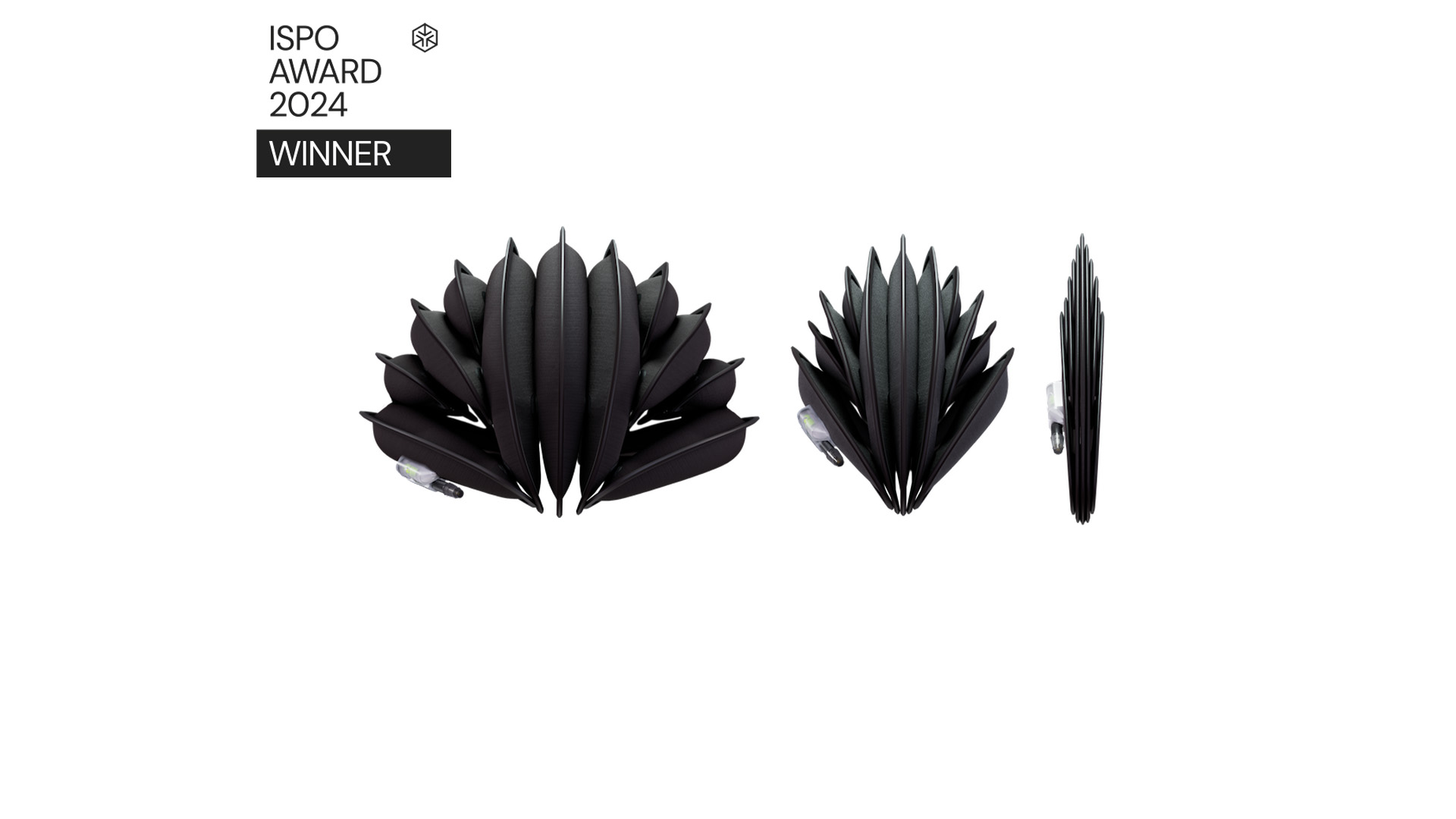
Exceptionally portable, stylish, and innovative: the Ventete aH-1 is a new inflatable and micro-collapsible bicycle helmet that kills several birds with one stone. Blending form, function, and contemporary design, the helmet took the ISPO Award 2024.
Modern mobility in the city is attracting more and more people to bicycles of all kinds: e-bikes or cargo bikes complement the comprehensive range of city bikes, trekking bikes, mountain bikes, or gravel bikes. This hustle and bustle in the bike lanes has also created new requirements in terms of safety and head protection. Not everyone likes to wear a helmet though, whether for reasons of style or because some helmets give you a hot head in summer. And there is an additional problem in the city: where to put it when you’re not cycling?
The team at UK-based start-up company Ventete have thought a lot about these new demands in urban cycling. The result of their 10-year design process is the Ventete aH-1, an inflatable and micro-collapsible bicycle helmet that also introduces a whole new futuristic aesthetic. At their jury meeting in the spring of 2024, the jury of the ISPO Awards decided to honor this innovative product with the popular prize.
Designed in the UK and crafted in Switzerland, the Ventete aH-1 is a groundbreaking bicycle helmet aimed at the spontaneous and evolving needs of urban transportation. With a focus on blending form, function, and contemporary design, the helmet collapses to just 3.5cm thick–about 12% of its full size–making it exceptionally portable and discreet. It can be easily inflated in less than 30 seconds using a USB-C powered pump, providing convenience unparalleled by traditional helmets.
Colin Herperger, CEO and co-founder of Ventete, explains: “Our team consists of a group of architects, artists, cyclists, and engineers with a central interest where culture is moving to and a particular interest in cycling. We started the project 10 years ago with the idea that it would be amazing to have a bicycle helmet that would fold down like a piece of origami and just fit in your pocket being easy to have with you when you’re on the go.”
Colin continues, “The majority of what we were doing at the beginning was prototyping and testing in-house to build the system from the ground up. Then came the move to scalable manufacturing. The process we’re using in the production is high-frequency welding, an amazing technology that is typically used for building enormous things like marine-scale buoys or very tiny things in the medical field. We’re super proud of the craftsmanship involved in making this helmet.”
Designed with safety in mind, the Ventete aH-1 meets stringent CE/UKCA safety standards such as EN 1078. Its design incorporates non-Newtonian RHEON impact pads to enhance protection against rotational impacts, a leading cause of traumatic brain injury in crashes. The helmet’s innovative structure includes 11 interconnected chambers, each reinforced with a polymer rib and lined with soft padding for durability and resistance to abrasion, puncture, and elongation.
In terms of comfort, the Ventete aH-1 has been rigorously tested by EMPA for thermal resistance and provides cooling efficiency nearly equivalent to wearing no helmet at all. This superior thermal performance addresses one of the main barriers to helmet use in urban environments: overheating.
The Ventete aH-1 is also designed to be gender-neutral and to accommodate a wide range of head sizes and hairstyles, making it suitable for professional environments where appearance is important. It offers urban commuters not just a safety device but a lifestyle accessory that promotes a safer, more stylish, and sustainable way to navigate city life, making it an ideal choice for the modern city dweller. The jury of the ISPO Award 2024 liked the innovative power of this product in all respects and awarded it the coveted prize. The Ventete aH-1 second public drop will be available on 5th September 2024.