


Discover how circular business models are redefining sustainability and driving economic growth, and why strategies like repair services and rental models are vital for a resilient, resource-efficient future.
As the global community grapples with resource scarcity and environmental challenges, the movement toward a circular economy has emerged as a beacon of hope.
New business models like repair services and product rentals are not only innovative, but economically beneficial when thoughtfully implemented. These approaches align sustainability with profitability, proving that eco-friendly strategies and economic growth can go hand in hand. Studies underscore a tangible shift in consumer behavior, showing a growing trend toward valuing sustainability, durability, and eco-friendly practices. This change supports the economic viability and expansion of circular business models across various sectors (1).
The EU’s Directive on the repair of goods marks a significant step for consumers and sustainability advocates. It requires manufacturers to support product repairability, extending product life and reducing waste. By extending the lifespan of items and facilitating accessible repairs, the EU aims to reduce waste and curb the relentless consumption cycle. An online repair platform set to launch by 2027 will make repairs easier to access, fostering a culture of reuse (2).
Repair, rental, and refurbishment businesses are setting new standards in the circular economy. Repair services breathe new life into existing products, saving resources and providing cost-effective alternatives for consumers. Rentals and leasing arrangements, on the other hand, ensure products are fully utilized without the need for widespread ownership, reducing manufacturing demands and promoting efficient resource use. These models are not only about practicality, but also about reshaping consumer habits and expectations for a more sustainable future (3).
Quality is the foundation of a successful circular economy. Durable, repairable products retain their value and are ideal for repair and resale. High-quality products offer longer lifespans, build brand trust, and meet the expectations of today’s environmentally conscious consumers. At the same time, they strengthen the growing second-hand market (4).
For those eager to see the circular revolution in action, ISPO Munich offers a unique window into the future. The Sustainability Hub showcases four pioneering solutions that exemplify these business models, from repair services to high-quality product designs. Visitors can explore how these strategies are shaping modern commerce.
Embracing new business models and prioritizing quality is indispensable for a sustainable future. This shift promises not only environmental benefits but also a path to resilient, future-ready business practices.
Prolong’s solutions empower outdoor brands to enhance aftercare operations, promoting both sustainability and profitability. With 82 % of textile waste being repairable or reusable and 80 % of consumers open to care and repair, Prolong helps brands offer seamless aftercare services for warranty and beyond at and exceeding the point of purchase. Services include alterations, personalization, repair, cleaning, and maintenance, supported by a global network of providers. This integration reduces operational complexity, creates new revenue streams, and reinforces brands’ commitment to the circular economy. Prolong’s platform extends product lifecycles, potentially lowering carbon footprint by 20-30 %, while boosting customer retention.
For Globetrotter, circular economy means ensuring products are used for as long as possible. To support this vision, customers can have their outdoor equipment and clothing professionally maintained and repaired at 17 of their 22 stores, with online service options available as well. Recently, Globetrotter expanded their repair services by offering certified repairs for Ortlieb and Vaude products at select repair centers. Globetrotter also provides rental and second-hand services to integrate all the principles of circular economy.
At ISPO 2024, Patagonia is exhibiting stories around being a responsible business and activist company. Driven by dedication to the highest quality, the company consistently strives to balance performance with environmental impact in product development. This commitment is evident in the products displayed at ISPO 2024, emphasizing durability and extensive repair capabilities to enhance product longevity. Patagonia has been working for over a decade to eliminate perfluorinated chemicals from its product line and proudly anticipates that by 2025, 100 % of its products will be free from intentionally applied PFAS.
FabPatch presents a pioneering approach to textile repair with user-friendly, customizable, and eco-conscious patches, recognized for both their design and sustainability. Produced locally in the EU and Finland with certified sustainable materials, FabPatch prioritizes environmental responsibility and supports waste reduction. Its unique, tool-free application makes repair accessible to everyone, encouraging a culture of reuse and durability that benefits consumers and the planet alike. Through extensive customization options, FabPatch also allows brands to seamlessly integrate these patches with original products, fostering a circular economy and advancing textile longevity.
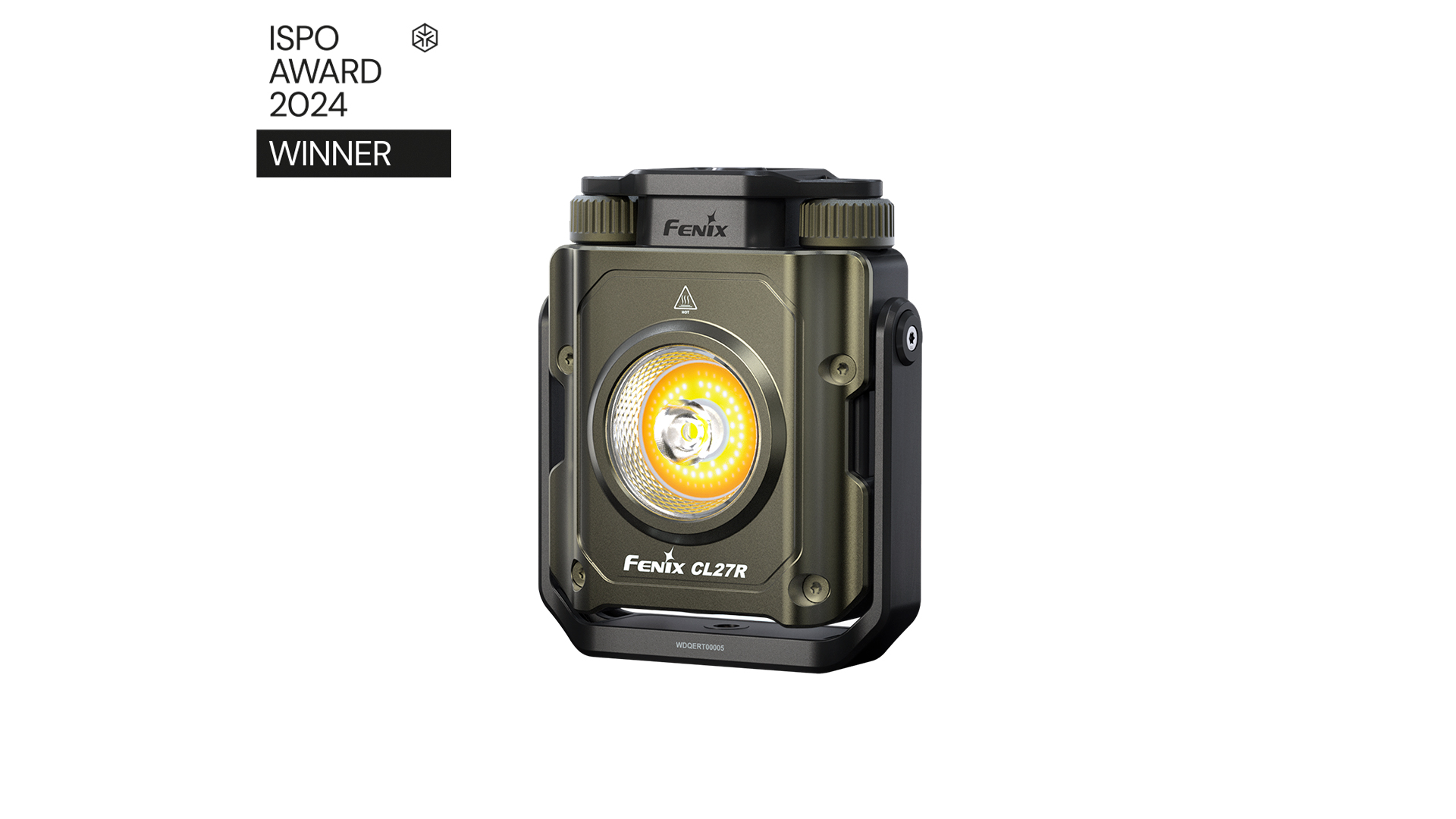
The Fenix CL27R is designed for multi-person team camping, outdoor work sites and other demanding environments where wide-area floodlighting and long-range spot lighting are essential. Its ability to seamlessly adapt to different environments makes it a trusted companion for outdoor adventures and professional tasks.
The Fenix CL27R Spot and Floodlight Lantern is the ultimate lighting solution for outdoor enthusiasts and professionals alike. Combining advanced technology, rugged design and user-focused features, this lantern is perfect for multi-person camping trips, outdoor work sites and any scenario that requires reliable, high-performance lighting. The lantern features an integrated lens that combines spotlight and floodlight functionality. Its core spotlight provides powerful, long-range illumination, while the surrounding floodlight provides even, wide-angle coverage. This design provides a perfect blend of focused and ambient lighting to meet the diverse needs of outdoor users.
The lantern is equipped with dual dials for seamless control of brightness and color temperature. Whether you need intense light for precision tasks or a softer glow for ambiance, the CL27R adapts effortlessly. The adjustable color temperature ranges from warm to cool, enhancing visibility and comfort in a variety of environments.
For ultimate versatility, the lantern features a 360° rotating magnetic handle. This feature allows for multiple mounting options, including magnetic attachment to metal surfaces, hanging, or tripod mounting via a built-in threaded interface. It ensures easy positioning in any environment, whether you're illuminating a workbench or a campsite.
The Fenix CL27R is powered by a 5000mAh 21700 battery, providing long-lasting performance for extended outdoor activities. The swappable battery design ensures backup options are always available, while Type-C charging provides fast and convenient power, making it a reliable companion for long trips. The lantern has both red and white light modes. The red light is perfect for maintaining night vision and creating a softer, less obtrusive ambiance, while the white light delivers up to 1600 lumens of brightness for powerful illumination.
Built to withstand the elements, the CL27R is IP66-rated for water and dust resistance. It features a durable aluminum alloy construction for abrasion resistance, environmental friendliness and easy portability. Whether faced with rain, dust or harsh conditions, the lantern maintains peak performance. Its ability to seamlessly adapt to different environments makes it a trusted companion for outdoor adventures and professional tasks.
The Fenix CL27R's intuitive user experience ensures effortless operation, while its lightweight, durable materials prioritize comfort and durability. Available in Wild Green and Glacier Blue, the lantern combines sleek aesthetics with rugged functionality. Its eco-friendly design reflects Fenix's commitment to sustainability, using recyclable materials that are both waterproof and windproof.
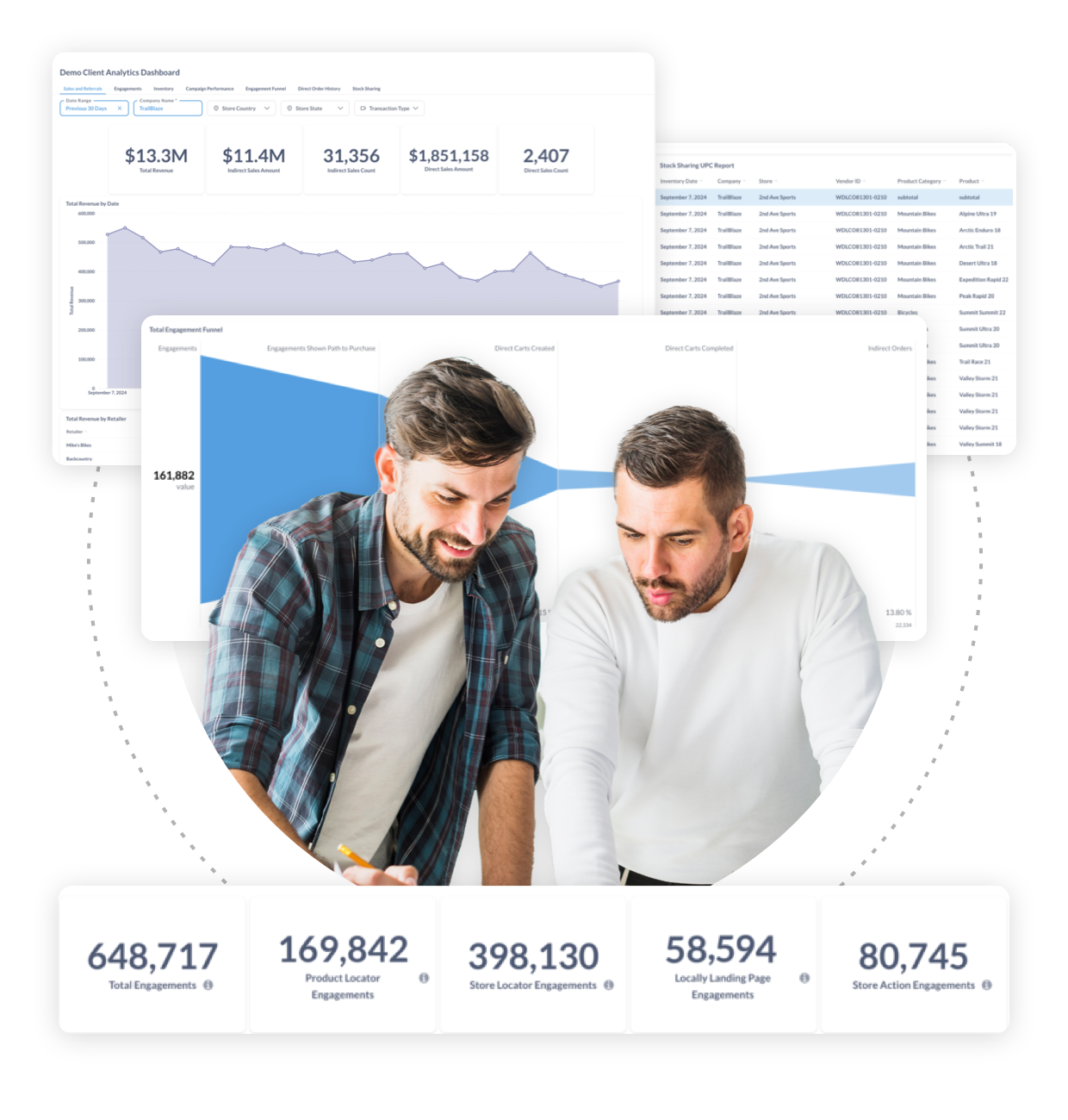
This is the future of retail: With Locally's robust data, exclusive store-level inventory connections, and APIs, brands can create top-tier shopping experiences across every channel.
Locally serves as a crucial bridge between consumers, brands, and retailers by integrating real-time product availability from local stores and online platforms. This innovative solution ensures shoppers can seamlessly access the products they need, whether they prefer online shopping, in-store visits, or hybrid options like local pickup or delivery. For businesses, Locally provides tools to connect the physical and digital shopping experiences, empowering them to meet modern consumer expectations while supporting local commerce. „Our goal is to make online-to-offline shopping completely seamless—supporting local communities, reducing logistics costs and environmental impact, and building lasting shopper loyalty for both brands and retailers“, says Mike Massey, CEO of Locally.
Over 1000 global brands trust Locally to connect online and local shopping seamlessly. Offer your customers a smooth, omnichannel shopping experience with Locally’s premier tools backed by real-time local inventory.
For shoppers, Locally transforms the purchasing experience by simplifying how consumers discover products and choose their preferred shopping method. Through real-time availability data, customers can locate desired items at nearby stores or online channels, ensuring a smooth and convenient shopping journey. Shoppers benefit from flexible fulfillment options, including reserving items for in-store pickup, accessing same-day or next-day local delivery, or purchasing directly online when preferred. By offering such tailored solutions, Locally saves time and enhances the shopping experience, meeting diverse customer needs while empowering informed decision-making. „ Our goal is to make online-to-offline shopping completely seamless—supporting local communities, reducing logistics costs and environmental impact, and building lasting shopper loyalty for both brands and retailers“, explains Massey.
Retailers gain significant advantages by partnering with Locally, which connects their inventory data to a broader network, increasing their visibility and sales opportunities. Real-time stock integration enables retailers to attract customers through online tools like “Where to Buy” and store locators, driving foot traffic to physical locations while also supporting online purchases. Locally’s platform helps retailers strengthen their online presence, appearing on brand websites and social media, and offers flexible fulfillment options like Buy Online, Pick Up In-Store (BOPIS) and local delivery. By meeting the demands of convenience-driven shoppers, retailers can not only boost sales but also foster loyalty and remain competitive in an increasingly digital retail landscape.
Locally provides brands with tools to integrate local shopping into their omnichannel strategies while maintaining their direct-to-consumer (DTC) presence. With Locally’s Store Locator or Product Locator, brands can showcase product availability both online and at nearby stores, ensuring a seamless shopping experience for their customers. This approach supports regional and specialty retailers while driving foot traffic and direct sales. Locally also delivers actionable insights into consumer behavior, helping brands refine inventory strategies, optimize marketing efforts, and better align with shopper preferences. Additionally, Locally enhances visibility in “near me” searches, making brands more discoverable to local shoppers and improving their reach across digital and physical channels.
Locally’s ability to support diverse retail strategies is evident in its partnerships with leading brands. For instance, Arc’teryx, targeting both urban adventurers and outdoor enthusiasts, enhances its customer journey through a seamless online-to-store experience, driving foot traffic to trusted retailers. Similarly, LOWA uses Locally to guide outdoor enthusiasts to reliable retailers in key adventure regions, ensuring product availability in high-demand areas. Thule integrates Locally’s dealer locator to provide real-time inventory visibility, connecting shoppers with trusted local dealers. For Salomon, Locally bridges the gap between online and physical retail, ensuring winter sports enthusiasts can access their gear through both regional and specialty retailers. These examples illustrate how Locally supports brands in enhancing consumer experiences while fostering strong retail partnerships.
For retailers, joining Locally offers a unique opportunity to enhance visibility, increase sales, and adapt to evolving consumer behaviors. By integrating their inventory into Locally’s platform, retailers can connect online shoppers with in-stock products, driving foot traffic and supporting local commerce. Locally also boosts exposure by featuring retailers on brand websites, product locators, and search results, helping them reach a broader audience and attract new customers.
1) How It Works: Onboarding Steps
Getting started with Locally is a simple process. After contacting the Locally team, retailers provide information about their inventory systems. Locally integrates this data into its platform, syncing real-time inventory updates and enabling tools like store locators and fulfillment options. Once set up, retailers can offer seamless shopping experiences, allowing customers to reserve products for in-store pickup, schedule local deliveries, or purchase directly online.
2) Time Commitment and Requirements
The onboarding process is efficient, requiring minimal time commitment from retailers. Locally’s team handles the technical aspects of integration, making the process accessible even for businesses without extensive technical expertise. Retailers need only a basic understanding of inventory management to ensure accurate stock visibility. While prior e-commerce experience can be helpful, it is not mandatory, as Locally’s platform is designed to integrate with existing systems and guide new users effectively.
3) Integration with E-commerce
For retailers with existing online stores, Locally enhances e-commerce capabilities by connecting inventory data to digital shopping tools. Retailers without an online presence can use Locally as an entry point into the digital marketplace, expanding their reach and competitiveness. By adapting to modern consumer demands, Locally enables retailers to thrive in a retail environment where convenience and flexibility are key.
Locally is essential for both brands and retailers seeking to stay competitive in today’s rapidly evolving retail landscape. For brands, Locally delivers a seamless omni-seller strategy, enabling support for local retailers while maintaining direct-to-consumer sales. It enhances customer satisfaction with real-time inventory visibility and increases sales by driving both in-store and online conversions. Locally also strengthens brand-retailer relationships and provides actionable insights for data-driven decision-making.
For retailers, Locally drives foot traffic, connects shoppers with in-stock items, and provides modern shopping options like BOPIS and local delivery. By fostering collaboration with brands, Locally helps retailers solidify their role within the supply chain while adapting to the rise of online-to-offline shopping. Both brands and retailers benefit from enhanced visibility, trust, and community support, creating a win-win solution that balances digital innovation with local commerce.
By employing Locally, brands and retailers can deliver better customer experiences, increase sales across multiple channels, and strengthen partnerships. Locally’s platform not only supports the integration of online and offline retail but also fosters sustainable local commerce, making it a vital tool for long-term success in a connected retail world.
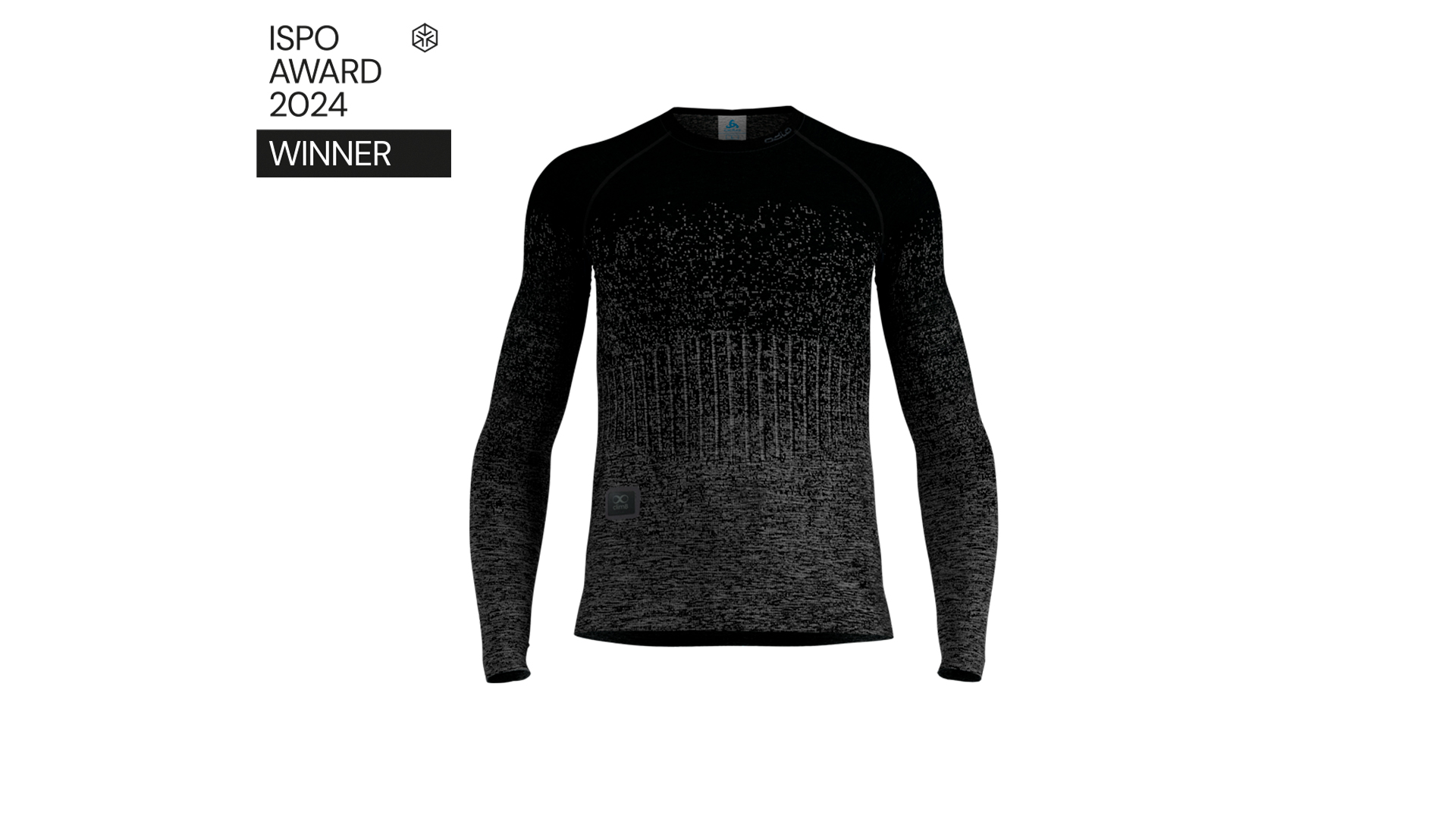
The Odlo I-Thermic X-Warm base layers developed in collaboration with Clim8® and MAS provide intelligent thermoregulation and exceptional comfort for winter enthusiasts.
Nothing takes the fun out of winter activities more than freezing. So Odlo, Clim8®, and MAS worked together to find an innovative solution to keep people warm. Developed to deliver exceptional comfort for winter enthusiasts, the I-Thermic X-Warm base layers provide intelligent thermoregulation right at your fingertips, keeping it as easy as possible while offering great customization. Powered by a battery and a Bluetooth module, the integrated Clim8® heating system uses responsive sensors woven into the seamless fabric in key thermal zones to maintain your desired body temperature. “We’re delighted to have partnered with Clim8® and Softmatter by MAS to bring an elevated level of comfort to those that love getting out there during the winter season,” said Dan Pattison, Product Manager, Odlo. "The I-Thermic X-Warm combines Odlo’s renowned seamless base layer craftsmanship with integrated smart heating technology to deliver customisable warmth wherever and whenever needed. We’re thrilled to heighten the outdoor experience with this collaborative innovation.”
Customised to your exact preferences via your smartphone or manually adjusted by double-tapping the conveniently positioned control module, the system adapts in real time to your profile, temperature and activity level. This is ideal for a wide spectrum of start-and-stop winter activities, where different modes are needed - from the ski lift to lunch on the patio to après-ski – or the perfect leisure time layer for additional warmth during long periods in cold temps. When the battery is running low, the app also provides useful notifications. The system also integrates user feedback: after each session, users can rate their experience, improving the algorithms and the heating experience over time. The system also features body detection: it turns on and off automatically depending on whether you are wearing your product or not.
While the app works intuitively and offers precise adjustments and detailed insights, you won’t stay cold without it. Even if you forgot to take your phone, the system works just fine in keeping you warm.
The base layers are available as a crew neck top and full-length bottoms with a close-to-body fit, in specific male and female cuts. The enhanced body fit maximises the performance of the fabric by ensuring the smart heating sits as close to the body as possible. This way, the integrated sensors are able to better read the user's skin temperature and regulate the desired heat as necessary - boosting heat when cold, and stopping heat when the desired temperature is achieved. The seamless design features a timeless gradient steel grey melange and black pattern, and on the practicality front, the garments are completely washable (once you pop the battery out).

Elastane is a key component of athletic apparel. It provides the stretch needed for comfort and freedom of movement during exercise. The apparel industry has long sought an alternative to petroleum-based elastane. Now, a groundbreaking collaboration between The LYCRA Company and Qore®, the maker of QIRA®, is enabling the world's first commercial production of bio-derived LYCRA® fiber.
Two years ago marked the beginning of a journey towards a textile innovation that aims to help the apparel industry in pursuit of decarbonization. At the time, The LYCRA Company, a global leader in the development of innovative and sustainable fiber and technology solutions for the textile and apparel industry, announced the collaboration with Qore® to produce LYCRA® fiber partly made from renewable raw materials. The raw material used for this is called “QIRA®” and is derived from industrial corn. QIRA® can be used to replace a main component of elastane fiber, significantly reducing the ecological footprint compared to equivalent product made from fossil raw materials.
Now that the construction of the Qore’s production plant is near completion, the world's first commercial production of QIRA® will soon begin in the United States Steven Stewart, Chief Brand & Innovation Officer at The LYCRA Company, talks about the special features of this renewable fiber and what role it will play in the future.
The LYCRA Company is collaborating with Qore®, a joint venture between Cargill, experts in agricultural fermentation, and HELM, a German chemical company, to bring to market the world’s first large-scale commercial production of bio-derived LYCRA® fiber made with QIRA®. A key ingredient in LYCRA® fiber is BDO (1,4-butanediol), which is produced from fossil-based resources. QIRA® is the brand name for a next-generation BDO from Qore® that is made from dent corn, an annually renewable resource.
By using dent corn as the feedstock, The LYCRA Company will soon replace a finite resource traditionally used to make LYCRA® fiber, reducing its greenhouse gas emissions while still providing the same excellent stretch and shape retention consumers have come to expect from its iconic LYCRA® fiber.
Since the highest impact category for LYCRA® fiber is our raw materials, we knew we had to focus on our ingredients to meet our 2030 goals. We had an opportunity to collaborate with Qore®—a joint venture between Cargill and HELM—to significantly reduce the carbon footprint of LYCRA® fiber. Qore® approached us about five years ago when they were considering building a plant in Iowa to produce QIRA®. We immediately recognized our interests were well aligned. Their expertise in scaling fermentation technologies makes them the ideal partner to help bring bio-derived LYCRA® fiber to market.
Bio-derived LYCRA® fiber made with QIRA® has the potential to reduce carbon emissions by up to 44 percent* versus traditional LYCRA® fiber. This product will likewise enable our customers including mills, brands and retailers to help reduce their own product footprints.
* Cradle-to-Gate Screening LCA estimate for a representative production facility of LYCRA® fiber, June 2022, prepared by Ramboll Americas Engineering Solutions, Inc
Bio-derived LYCRA® fiber made with QIRA® will deliver equivalent performance to traditional fossil-based LYCRA® fiber in terms of stretch, strength, and durability. The chemical structure is the same as the fossil-based version. Qore® is just using a different production method—fermentation of sugars from corn—to create or formulate the same end product.
No, that is the good news. Because bio-derived LYCRA® fiber will deliver equivalent performance, fabric mills, garment makers, designers, brands and retailers will not have to reengineer fabrics or their patterns or processes. It is truly a 1:1 drop in.
The premium for this sustainable innovation will depend on market pricing for the petroleum-based raw materials that it replaces. Since LYCRA® is typically a fraction of a garment’s make-up, the cost to upgrade to our renewable option should be nominal on a per garment basis, meaning a few cents more per garment.
Once we receive QIRA® bio-derived BDO from the Qore® site, it is converted into PTMEG, which makes up about 70 percent of LYCRA® fiber by weight. Today, the other 30 percent is made from conventional feedstock.
Ultimately, we want to get to a 100% bio-based fiber. We are working on sustainable options for the remaining 30% and will keep you posted on our progress.
We have received an overwhelmingly positive reaction to this new fiber. Brands and retailers are looking toward strategic suppliers like us to help them with more sustainable options. So, we are having a lot of good conversations with brands about this offering.
We have even had several leading brands come out to Iowa to tour the Qore® site and meet with some of the farmers who will be growing the corn that will be sourced to make QIRA®.
Our customers have told us that they appreciate the level of transparency and traceability we’ve provided in the process to make bio-derived and they have been so impressed with the quality and passion that goes into farming. The human element here is something extraordinary. Getting to meet the farmers have helped to truly bring this full circle for our customers.
Our goal is to convert at least one-third of our production of LYCRA® fiber to bio-derived. Long-term, we aim to shift the majority of our elastane offerings to bio-derived.
In 2014, we did introduce the world’s first bio-derived elastane, but I think we were a bit ahead of our time. We could not get to scale due to the limited supply of the bio-derived materials.
So, we are excited to now work with Qore® in bringing a lower-impact alternative to market at scale.
We continue to make progress on end-of-life solutions for fabrics and garments that contain elastane. Ultimately, our aim is to offer a bio-derived fiber to our customers to use in their garment collections that will allow for the recovery of elastane materials that can be recycled into new fibers.
We are working with a number of garment recyclers to define the compatibility between their recycling processes and our fiber. Testing to date has been positive and we are optimistic about our advancements going forward.
We will continue to use our expertise and technology to focus on fiber and material innovation that can not only enhance fabric performance but also have a reduced carbon footprint as we do our part to help shift the industry towards a more sustainable future.
Our product vision centers around using fewer finite resources, extending garment wear life, and ultimately offering solutions that can be recycled or composted at end of life while still providing the expected level of performance, fit and comfort that consumers desire.
Such efforts will require a collaborative mindset as we embrace best practices and knowledge-sharing with key strategic partners who can also help us scale our innovations. 2030 will be here soon enough and we need to continually foster such collaboration to drive meaningful change for our company and the industry.