

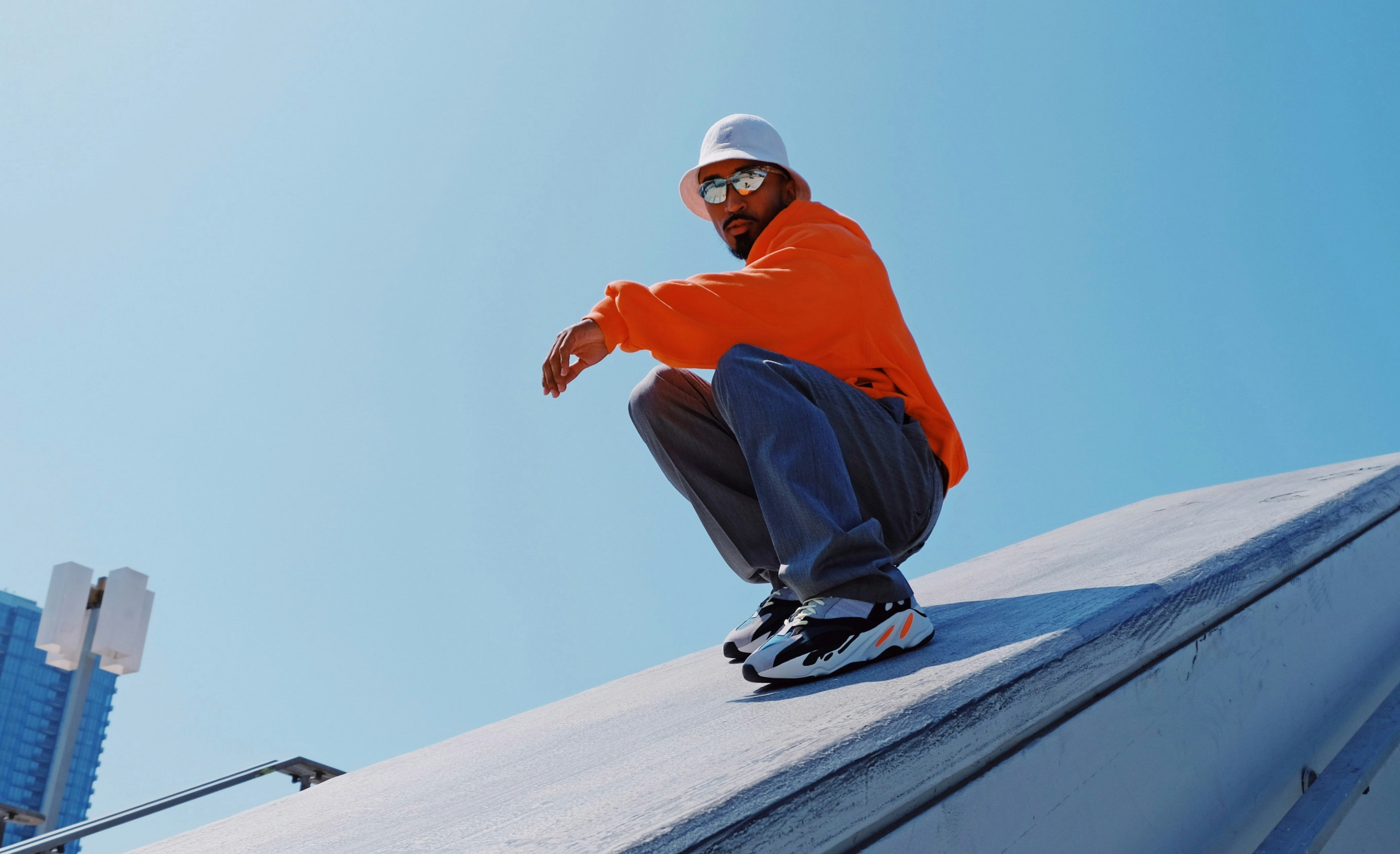
On the trail and at Fashion Week, on the mountain and on the big stages, on city trips and when camping - anyone who is anyone in the fashion world does the same as outdoor enthusiasts and professional athletes and wears adidas TERREX, Snow Peak, Salomon, The North Face or Arc'teryx. How have these and other outdoor brands managed to define a new mega fashion trend? We have taken a look at the most exciting business models and marketing measures and summarize the key points for a fashionable business strategy - especially for brands that are still at the very beginning.
All insights at a glance
Believe the Hype
The global hype surrounding functional it-pieces goes by the name of gorpcore - a neologism made up of the terms "normcore" and "gorp", the acronym for "good old raisins and peanuts", another term for the trail mix popular among hikers. Since New York Magazine first used the term in 2017, the trend has been growing and has been defining the looks of fashion-conscious Gen Z around the globe since the end of restrictions due to the coronavirus pandemic.
Trail runners from adidas TERREX, Salomon or On, chunky outerwear from Patagonia or The North Face, backpacks from Sandqvist, sunglasses from Oakley and hiking boots from Hanwag are no longer just running on trails and mountains, they are running through cities, through offices, across catwalks and, above all, through Tik Toks and Instagram stories. Even practical thermo mugs are experiencing a viral hype and are becoming fashion accessories, as the Stanley Cups prove. Gorpcore embodies the new lifestyle of Gen Z and Generation Alpha and is now considered the most enduring trend of the last 100 years.
According to McKinsey, sales of outdoor products rose by 24% in the year following the pandemic. This is not only influencing the fashion world, but is also changing the outdoor sector. Entering the fashion market definitely offers great opportunities and can already be very promising for outdoor start-ups. However, it is also clear that the fashion world has always been much more competitive, the sector is much larger and the target groups more difficult to reach. How can you still make it?
The whole interview with Caspar Coppetti (On Running)
Many leading technologies originate from the outdoor segment. The fashion industry, for example, has long made use of textile developments such as Sympatex™, Nox™ or Polyola™ - all innovations from the outdoor industry. This gives them immense importance. It also works the other way around and is much less frowned upon than it was a few years ago. Why shouldn't the running shoe also come onto the market in a trendy neon look? At least at On, the design language has evolved considerably over the years and it seems as if Caspar Coppetti and his team are no longer so skeptical of the fashion world.
This is just one of many examples that demonstrate the importance of the brand message. Patagonia and Ortovox take part in documentaries to highlight their concerns about environmental protection or climate justice. Outdoor brands have this educational aspect ahead of fashion brands: a connection to sport, to nature, to the environment, to healthy success. Real sustainability out of conviction instead of greenwashing and fast fashion. Those who concentrate on this and focus on their (digital) storytelling have a good chance of being well received by Gen Z.
However, there are also offline opportunities to enter the fashion market. In the case of Hanwag, a pop-up store at Paris Fashion Week was the breakthrough in the fashion segment. The retro red dot was sold out immediately. Other sportswear brands are also presenting new editions of their classics or innovative outdoor collections in the high fashion segment: at Fashion Weeks in Milan, Paris and Tokyo, on the catwalks of major luxury fashion brands or in their own showrooms - even during furniture fairs such as the Salone del Mobile in Milan.
Gorpcore & Mountaincore: the new ultimate outdoor trends explained
Alongside major luxury brands, athletes continue to be the most promising partners, as the sportswear megatrend is growing in parallel with the hype surrounding athletes. According to a forecast by PwC, the sports sponsorship market will grow to 109 billion US dollars by 2030. This is a huge market for both fashion and outdoor brands to reach new target groups. Many high fashion labels have already recognized this and are bringing athletes on board for advertising campaigns or equipping them with luxury products that are then seen millions of times on their social media channels.
The luxury group LVMH, which includes Christian Dior, Givenchy and Louis Vuitton, is a partner of the Olympic Games in Paris - a clever move that the outdoor industry can learn something from. Where do fashion trends originate? Who sets them? And where does your own brand message fit in?
If you keep asking these questions and answering them for your brand, you have a great chance of entering the fashion market and tapping into new, loyal target groups.
How Gen Z is living the new outdoor feeling